English
 English

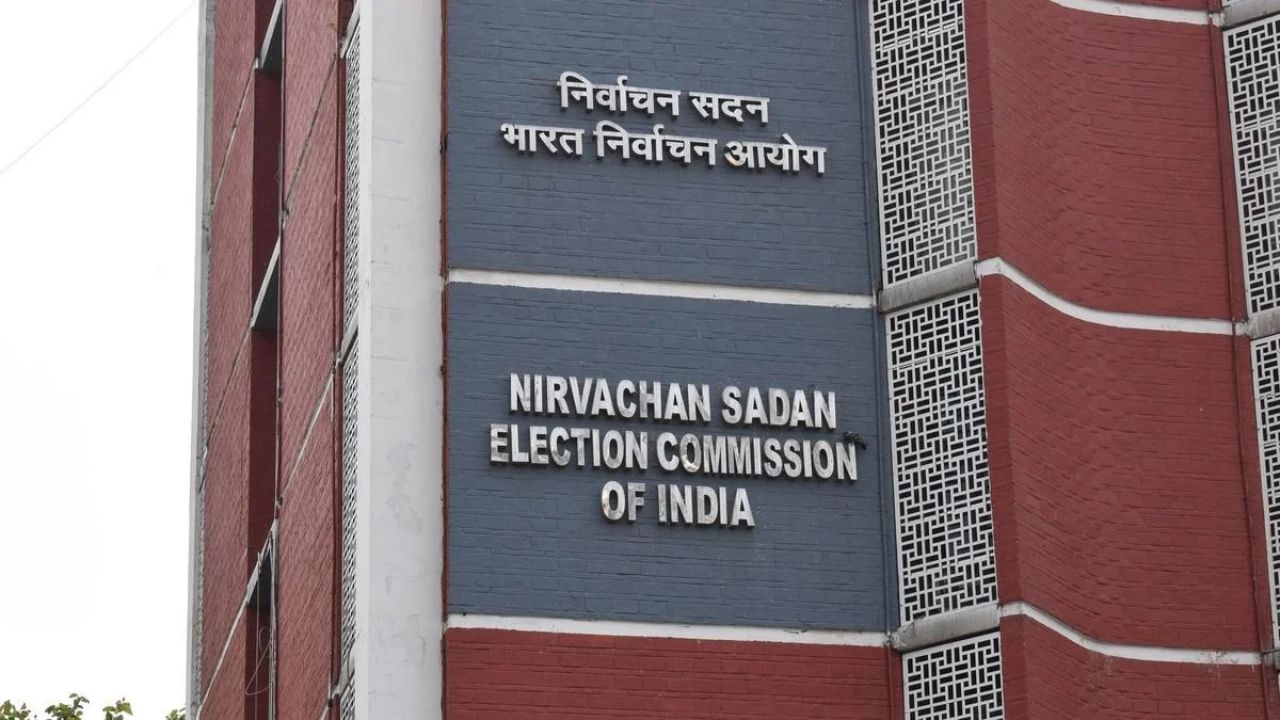
Election Commission SIR row puts India’s voter list management system under fresh spotlight. (Img: Google)
New Delhi: India’s electoral system is facing renewed attention after a report revealed that two Election Commissioners raised formal objections 14 times in 10 months over issues linked to voter registration, deletion of names and management of electoral databases.
The controversy has gained momentum as the concerns emerged during the Election Commission’s Special Intensive Revision (SIR) exercise, one of the largest voter verification drives in recent years. The debate has placed the spotlight on how voter lists are updated, who controls digital records and how decisions are taken inside the country’s top election body.
## Internal disagreement over voter roll management
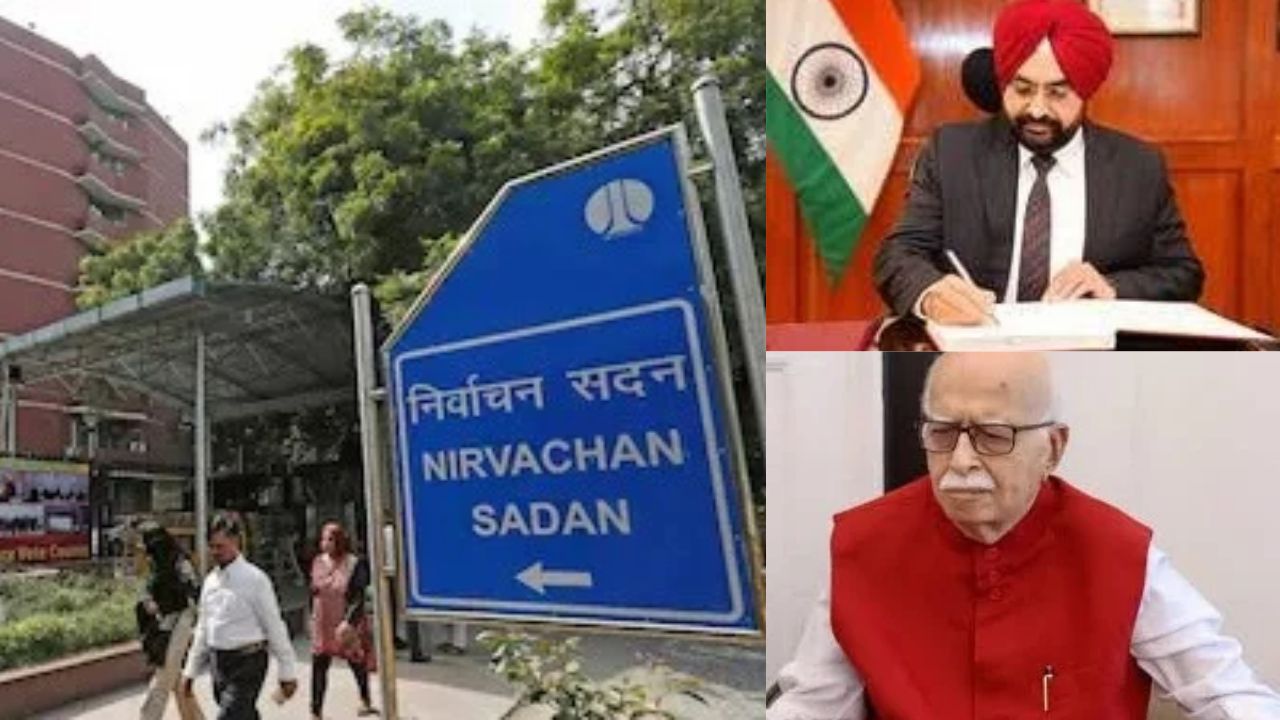
According to a report by The Indian Express, Election Commissioners Sukhbir Singh Sandhu and Vivek Joshi recorded objections on multiple occasions over decisions related to electoral roll management.
The objections reportedly covered several areas, including addition of new voters, deletion and restoration of names, voter database access, appeals related to deleted voters and administrative control of election technology systems.
The report stated that the concerns were not limited to a single state or one policy decision but involved the overall functioning of the electoral roll management process.
The Election Commission has maintained that decisions of the constitutional body were taken according to established procedures and with the approval of all three members.
## Special Intensive Revision brings voter lists into focus
The disagreement comes during the Special Intensive Revision of electoral rolls.
The SIR exercise began in Bihar in June 2025 and was later expanded to other states and Union Territories as part of efforts to verify and update voter records.
According to reports, more than 13 crore names appeared in draft roll deletion figures during the exercise across 30 states and Union Territories. These figures relate to changes in draft electoral rolls and do not automatically mean permanent removal of citizens from voting rights.
The large scale of the exercise has triggered discussions about verification methods, documentation requirements and safeguards available to citizens whose names are affected during roll revision.
## Form 6 changes create fresh debate
One of the major issues reportedly raised by the Election Commissioners involved Form 6, which is used by citizens applying for inclusion in electoral rolls.
According to the report, changes were introduced in the form requiring applicants to provide information related to whether their name or their family members’ names appeared in earlier electoral rolls.
The report stated that Vivek Joshi raised concerns over the modification, arguing that changes to a statutory form required legal procedures. Sukhbir Singh Sandhu later supported the objection and questioned the process.
The issue became significant because Form 6 is the main route for first-time voters and eligible citizens seeking registration in the voter database.
## Technology and control of voter database under scanner
Another major area of concern involved the digital infrastructure used for maintaining electoral rolls.
The reported objections focused on access to electoral database systems and whether state-level Electoral Registration Officers had complete control over functions assigned to them under election laws.
Electoral Registration Officers play a key role in adding, deleting and correcting voter records. Questions were raised over whether increasing centralisation of digital systems could impact the authority of officials responsible for maintaining voter lists at the local level.
The discussion has highlighted the growing role of technology in election administration, where software systems now influence how millions of voter records are processed.
## Goa voter case highlights software challenge
A case from Goa brought the technology debate into focus.
According to the report, 97 voters who submitted documents and were found eligible by Electoral Registration Officers could not be restored in the final voter list because the software system did not provide an option to reverse earlier deletions.
The case raised questions about whether technical limitations could prevent authorised election officials from implementing their decisions.
The incident highlighted the importance of ensuring that digital election systems remain flexible, transparent and aligned with legal procedures.
## West Bengal appeals process raises questions
The SIR process in West Bengal also became part of the internal discussion.
The report stated that questions were raised over appeals filed in cases related to voter inclusion and deletion.
The issue focused on the process behind filing appeals, communication between officials and whether all concerned members of the Election Commission were informed about decisions.
The matter attracted attention because voter deletion and restoration directly affect citizens’ ability to participate in elections.
## Election Commission’s constitutional role
The Election Commission of India functions as a constitutional authority under Article 324 of the Constitution.
The three-member body consists of the Chief Election Commissioner and two Election Commissioners. The Commission is responsible for conducting elections and supervising electoral roll preparation across the country.
The latest debate has focused on internal decision-making, approval mechanisms and how differences among members of the Commission are recorded.
The Election Commission has stated that its work follows legal procedures and that electoral processes are conducted according to constitutional responsibilities.
## Political reactions and public debate
The reported objections have triggered political reactions and public discussions about transparency in electoral processes.
Opposition parties and some critics have questioned aspects of voter roll revision, while the Election Commission has defended the process and maintained that electoral decisions are taken within the legal framework.
Election experts have pointed out that maintaining accurate voter lists requires balancing two important goals — removing duplicate or incorrect entries while ensuring eligible citizens are not excluded.
## Why the issue matters for voters
The controversy has brought a larger question into focus: how India manages one of the world’s largest electoral databases.
With hundreds of millions of voters and increasing dependence on digital systems, transparency, data security and accountability have become important parts of election administration.
For ordinary citizens, the issue directly connects with the ability to register as a voter, keep their names on electoral rolls and participate in democratic processes.
## What happens next
The debate over the Special Intensive Revision process and electoral roll management is expected to continue as authorities, courts and political stakeholders examine different aspects of the issue.
Further developments may depend on official responses, legal proceedings and future updates from the Election Commission.
The controversy has placed renewed attention on the balance between technology-driven election management, administrative authority and safeguards for voters.