English
 English

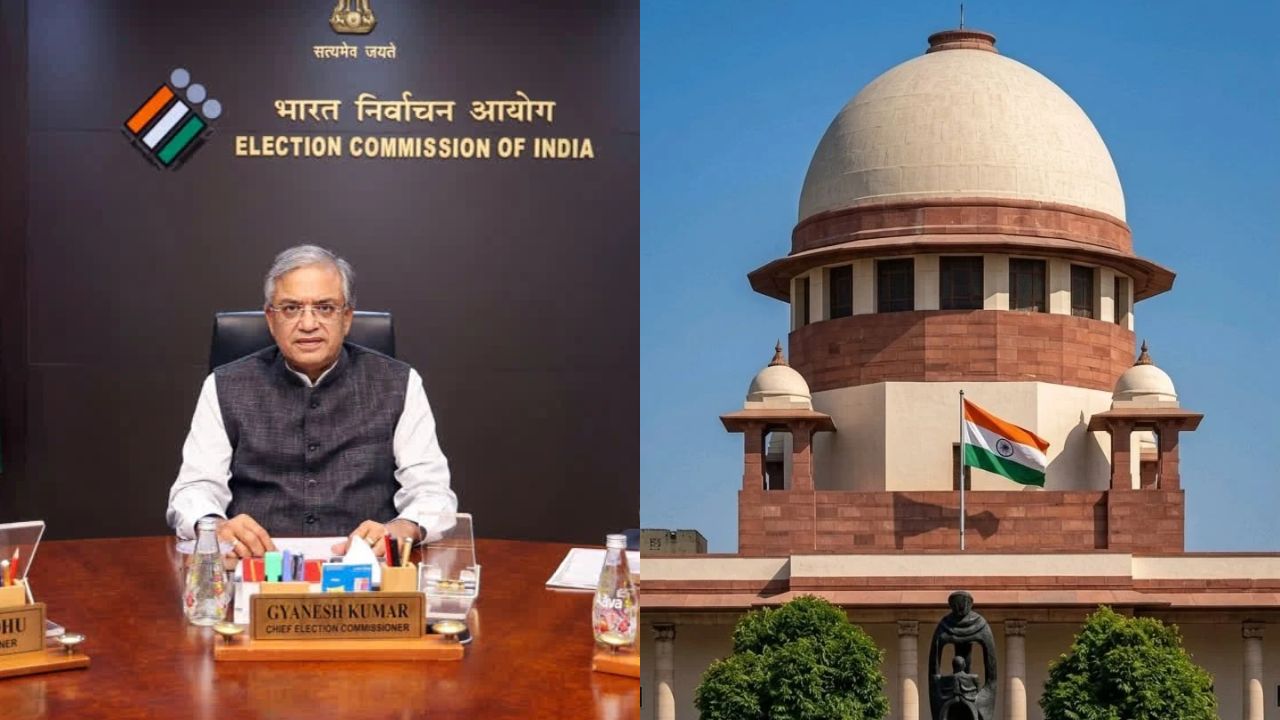
Election Commission revises online Form 6 submission, making separate OTP verification mandatory for the SIR Declaration. (Img: X)
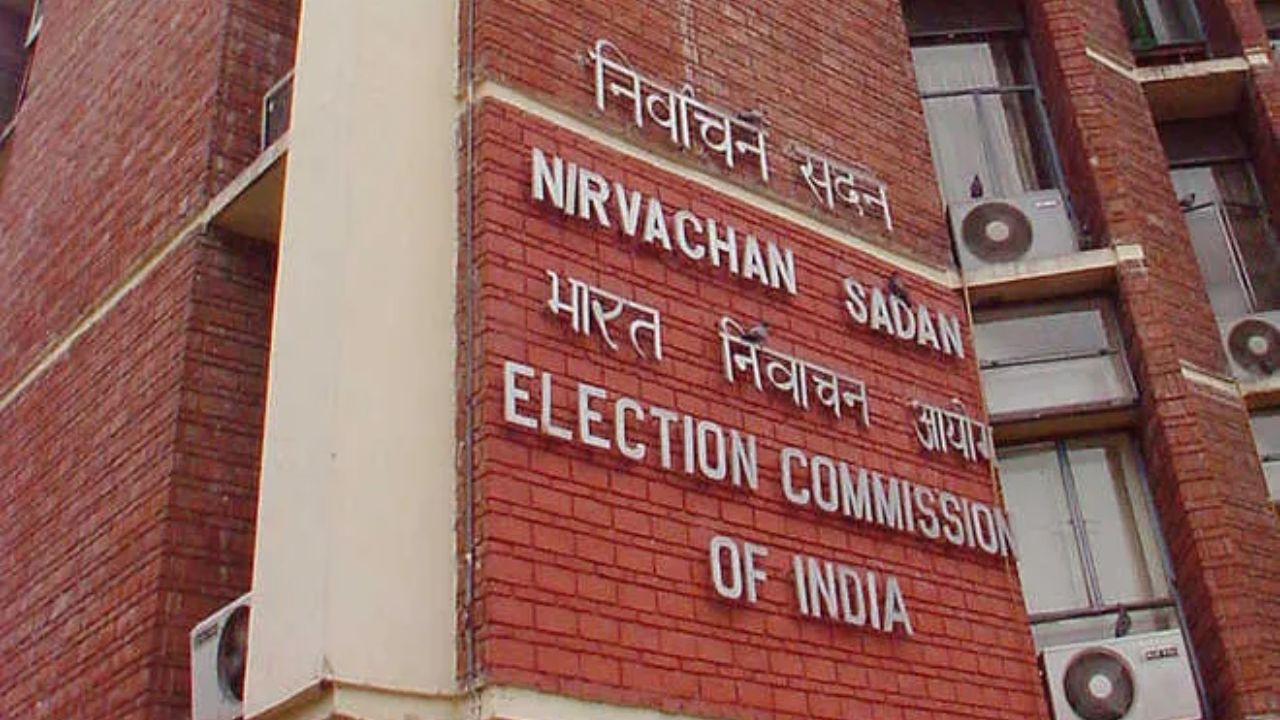
New Delhi: The Election Commission of India (ECI) has introduced a significant change to its online voter registration process amid the ongoing Special Intensive Revision (SIR) of electoral rolls. The poll authority has separated the statutory Form 6, used for new voter enrolment, from the accompanying SIR Declaration, requiring applicants to complete two independent online submission processes.
The revised arrangement means applicants will have to authenticate both documents separately through OTP verification and e-Sign. The development is particularly important for voters whose names are missing from draft electoral rolls despite having been enrolled previously, as concerns had emerged over the declaration attached to Form 6 and its legal implications.
The Election Commission's decision follows its submission before the Supreme Court, where it clarified that the online application procedure would be aligned with the existing physical submission system. The change is expected to bring greater procedural clarity to voter enrolment during the ongoing electoral roll revision exercise.
The Election Commission has revised the digital submission mechanism for Form 6 and its accompanying declaration in states where the SIR exercise is underway.
Under the earlier online arrangement, applicants could submit Form 6 and the accompanying declaration together using a single OTP verification and e-Sign authentication. The two documents were processed through a combined digital submission mechanism for the operational convenience of applicants.
Under the revised system, the statutory application and the SIR Declaration will be treated as two separate submissions. Applicants will have to complete independent OTP verification and e-Sign authentication for each document. Election Commission officials clarified that both steps are mandatory for successful submission of an online application.
The Commission stated that the earlier arrangement had allowed Form 6 and the accompanying declaration to be submitted together through a single authentication process. The revised mechanism now requires separate verification for each document, bringing the online procedure in line with the physical application process.
Form 6 is the prescribed statutory application used by eligible citizens seeking inclusion in the electoral roll. It is generally associated with new voter registration and applications for enrolment in the relevant constituency.
During the Special Intensive Revision exercise, however, the application has also become important for individuals whose names are missing from the draft electoral rolls but who claim to have been registered voters previously.
The issue gained prominence after the Election Commission introduced an additional declaration alongside Form 6 following the Bihar SIR exercise. The declaration seeks details concerning the applicant's parents as part of the electoral roll verification process.
This additional requirement prompted questions about the distinction between first-time voter registration and the restoration or inclusion of names belonging to previously enrolled electors.
The concern was particularly significant because Form 6 contains a declaration associated with first-time inclusion in the electoral roll. Some existing voters feared that submitting the form when their names were missing from the draft SIR list could potentially amount to making an incorrect declaration and expose them to legal consequences under electoral laws.
The latest procedural clarification is therefore significant for voters seeking to ensure that their names appear in the revised electoral rolls.
The Election Commission's decision is linked to its recent counter-affidavit filed before the Supreme Court in connection with the SIR process.
In its submission, the poll authority referred to an October 21 decision taken by its Electoral Roll Division. According to the decision, online applications involving Form 6 would be divided into two distinct components, following the existing arrangement for physical applications.
The two components are Form 6, as prescribed under the applicable electoral rules, and the separate SIR Declaration.
The Commission's position is that the digital submission mechanism should follow the same distinction maintained in the physical application process. Consequently, applicants submitting documents online will also have to complete both parts independently.
The latest clarification comes amid wider scrutiny of the SIR exercise and questions surrounding the documentation required for inclusion in electoral rolls.
The revised procedure has particular relevance for people who were previously registered as voters but cannot find their names in the draft electoral rolls published during the SIR exercise. On Tuesday, the Election Commission clarified that previously enrolled voters could submit Form 6 to seek inclusion if their names were missing from the draft SIR rolls.
This clarification addressed an important concern among existing electors who were uncertain about which application procedure to follow. The accompanying declaration had become a source of apprehension because of its connection with first-time voter enrolment.
Existing voters were concerned that submitting a form containing such a declaration might create complications regarding the accuracy of the information they provided. The distinction between the statutory enrolment application and the SIR Declaration is therefore an important procedural development.
By separating the two submissions, the Election Commission has clarified the digital workflow and established separate authentication requirements for the documents. For voters, completing both steps correctly will be essential to ensure that their applications are successfully submitted through the online system.
The latest revision follows an earlier change made by the Election Commission in September. At that time, the Commission had withdrawn the accompanying declaration from its digital platforms in states where the Special Intensive Revision of electoral rolls had already been completed.
The latest decision extends the procedural separation to the online application system in states where the SIR exercise is currently underway. The development also reflects the Commission's effort to distinguish the statutory application prescribed under electoral rules from the additional declaration required as part of the SIR-related process.
With the revised mechanism in place, applicants seeking inclusion in electoral rolls through the online system will have to complete Form 6 and the accompanying SIR Declaration separately. Each document requires its own OTP verification and e-Sign authentication. Merely submitting one of the two documents will not be sufficient for successful completion of the application process.
Existing voters whose names are missing from draft SIR rolls can also use Form 6 to seek inclusion, as clarified by the Election Commission. The revised procedure is expected to provide greater clarity to applicants navigating the voter enrolment process during the electoral roll revision exercise.
As the SIR process continues across states, the distinction between first-time enrolment, applications by previously registered voters and the accompanying declaration will remain important for ensuring accurate electoral records. The latest move places the digital voter registration process under renewed focus, particularly as the Election Commission faces questions over transparency, documentation requirements and the rights of eligible citizens to remain on the electoral rolls.