English
 English

The Election Commission of India is likely to announce the Assembly election schedule for five states in January 2027. (Img: X)
New Delhi: The Election Commission of India (ECI) is likely to announce the schedule for Assembly elections in five states during the first half of January 2027, setting the stage for a crucial electoral contest across politically significant regions of the country. According to sources familiar with the preparations, the upcoming elections will cover Uttar Pradesh, Punjab, Uttarakhand, Manipur and Goa, with the poll panel expected to finalise the timetable after conducting an extensive assessment of administrative preparedness, security arrangements and election-related infrastructure.
The anticipated announcement will mark the beginning of a high-stakes electoral cycle, particularly in Uttar Pradesh, where political parties are expected to intensify their organisational activities and campaign strategies ahead of the next Assembly elections. Punjab, Uttarakhand, Manipur and Goa will also witness significant political mobilisation as parties prepare to contest the forthcoming polls.
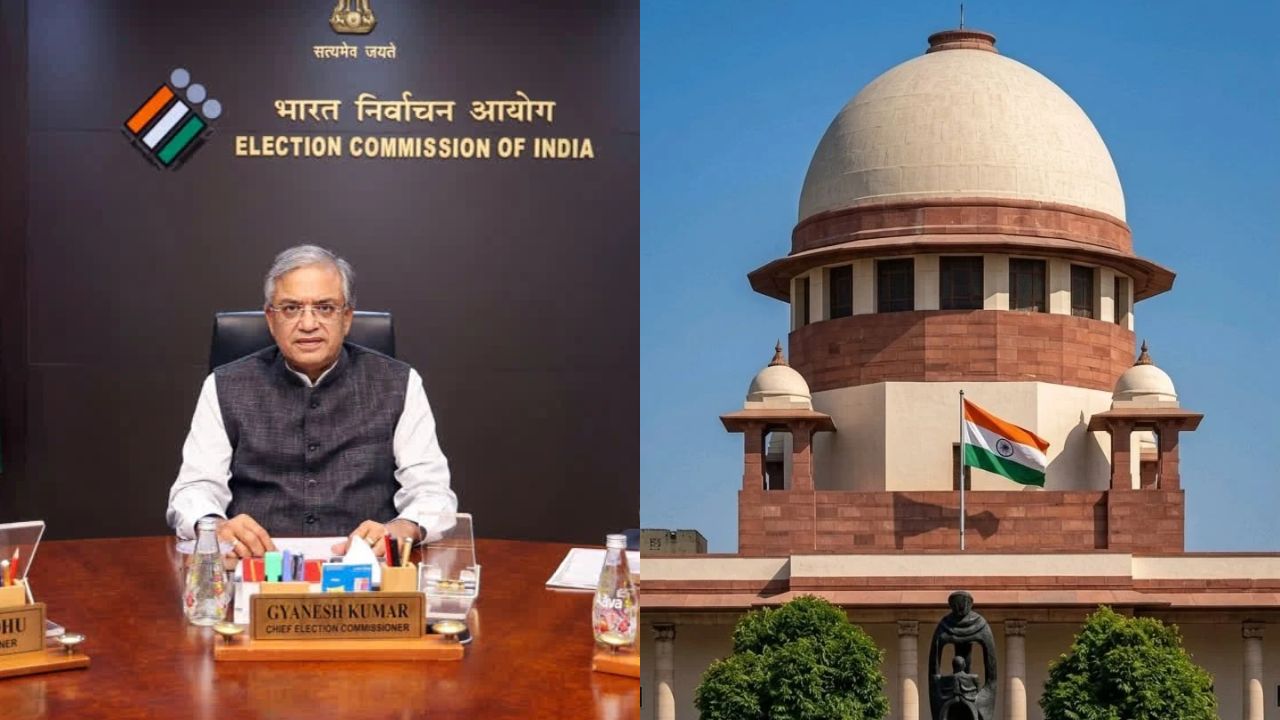
The election schedule is expected to be announced after Chief Election Commissioner (CEC) and the two Election Commissioners complete their visits to all five poll-bound states. Sources indicated that the full bench of the Election Commission could begin its assessment visits during the last week of November or sometime in December 2026.
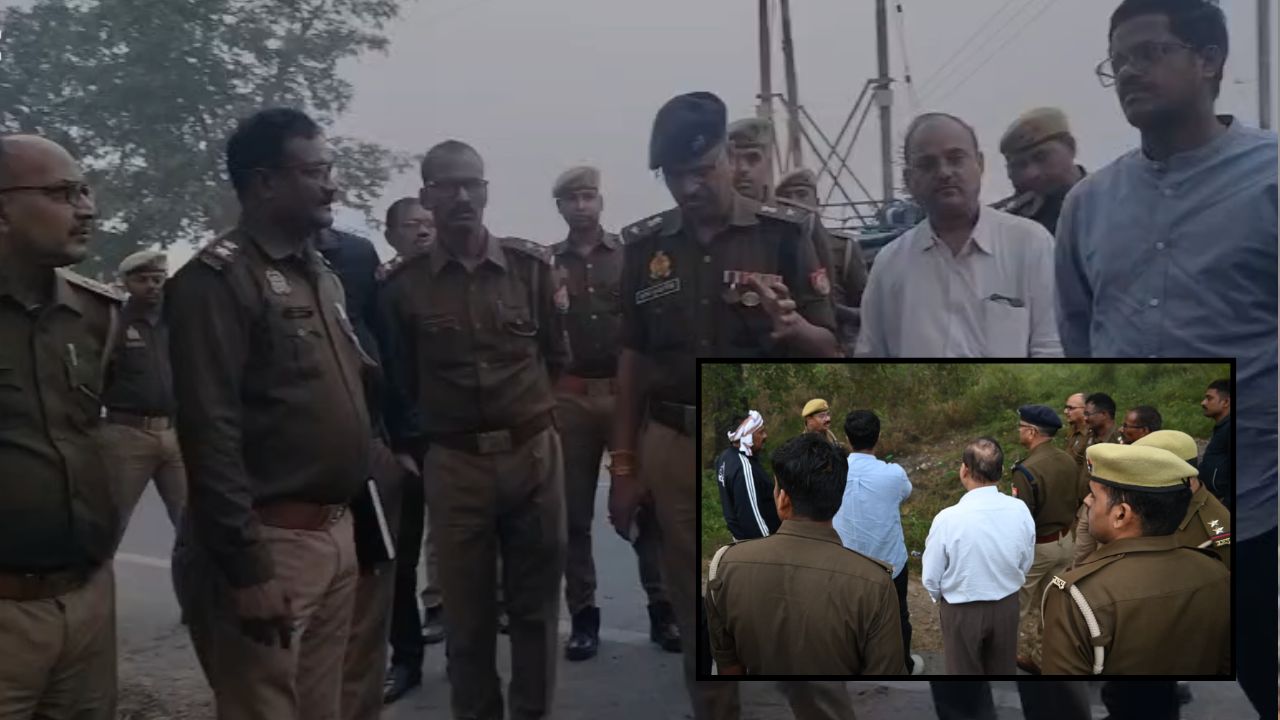
The Election Commission has initiated a multi-level review of electoral preparedness through visits by Deputy Election Commissioners (DECs) and other senior officials. These preliminary assessments are intended to evaluate the administrative machinery, logistical infrastructure and law-and-order arrangements required for conducting free, fair and transparent elections.
The DEC-level teams are expected to complete their visits to all five states by the end of November. Once the inspections are concluded, the respective teams will submit detailed assessment reports to the Chief Election Commissioner and the two Election Commissioners. These findings will subsequently inform the full bench's consultations and evaluation of poll preparedness.
The DEC-level visits to Punjab, Uttarakhand and Manipur have already been completed. In Uttar Pradesh, one inspection has taken place, while two additional visits by DEC-level teams are scheduled. The assessment visit to Goa is yet to be conducted.
The completion of these preliminary inspections will pave the way for the Election Commission's top leadership to undertake comprehensive consultations with state governments, law enforcement agencies and political stakeholders.
The Election Commission's full bench visits constitute a critical component of the pre-election review process. Unlike preliminary inspections, which primarily focus on district-level administrative and policing arrangements, these visits involve broader consultations with senior state officials and political representatives.
During DEC-level inspections, Election Commission teams interact with District Election Officers (DEOs) and Superintendents of Police (SPs) to assess ground-level preparations. The discussions typically cover electoral infrastructure, manpower deployment, law-and-order requirements, polling station arrangements and the overall readiness of district administrations.
The full bench consultations are more comprehensive. The Chief Election Commissioner and the two Election Commissioners hold meetings with state Chief Secretaries, Directors General of Police (DGPs), senior administrative officials and representatives of recognised political parties.
These interactions enable the poll panel to examine the preparedness of the state machinery, identify potential logistical challenges, review security requirements and assess the concerns raised by political stakeholders. The consultations also play an important role in ensuring that electoral processes remain impartial, accessible and compliant with the Election Commission's guidelines.
One of the most closely watched aspects of the forthcoming electoral exercise will be the number of phases in which polling is conducted across the five states.
Sources indicated that no discussion has taken place within the Election Commission so far regarding the proposed number of polling phases. The final decision will be taken after evaluating the prevailing circumstances, administrative requirements, security assessments and logistical considerations in each state.
Punjab, Goa and Uttarakhand are likely to witness single-phase polling, while Uttar Pradesh is expected to undergo a multi-phase electoral exercise. Uttar Pradesh's geographical spread, large electorate, extensive polling infrastructure and security requirements make election management particularly complex.
A phased polling arrangement could enable the Election Commission to coordinate security personnel, election officials and logistical resources more effectively across different regions. However, the final polling structure and deployment strategy will be determined by the Election Commission closer to the formal announcement.
The forthcoming Assembly elections are expected to have considerable political significance, with five states presenting distinct electoral challenges and political dynamics. Uttar Pradesh remains one of the country's most consequential electoral battlegrounds because of its substantial legislative representation, political influence and national significance.
The contest in Punjab will be closely watched amid evolving party equations and political realignments. Uttarakhand, meanwhile, will witness another important electoral contest in the Himalayan state, where governance, development, employment and regional concerns are expected to feature prominently in political campaigning.
Manipur's electoral exercise will assume particular importance in view of the state's political and security situation, while Goa will see parties competing in a politically significant contest shaped by regional issues, governance and voter preferences. The five-state electoral exercise is therefore expected to attract considerable national attention and could influence political narratives beyond the respective state boundaries.
The first half of January 2027 is emerging as the likely window for the Election Commission's announcement, according to sources familiar with the preparations. However, the schedule has not yet been formally confirmed by the poll panel.
The announcement will provide clarity on the nomination process, scrutiny of candidates, withdrawal deadlines, polling dates and counting arrangements. It will also formally activate the electoral timetable and trigger the next phase of political campaigning.
The Model Code of Conduct is generally brought into force from the announcement of the election schedule and remains applicable during the electoral process until the completion of the relevant elections, subject to the Election Commission's directions.
For now, the immediate focus remains on completing the DEC-level inspections and scheduling the full bench visits to the five states. The final decision on polling phases, dates and election arrangements will follow a comprehensive review of the reports and consultations. The Election Commission's forthcoming assessment will be crucial in determining how the five-state electoral exercise is organised, particularly in Uttar Pradesh, where multi-phase polling is anticipated.