English
 English
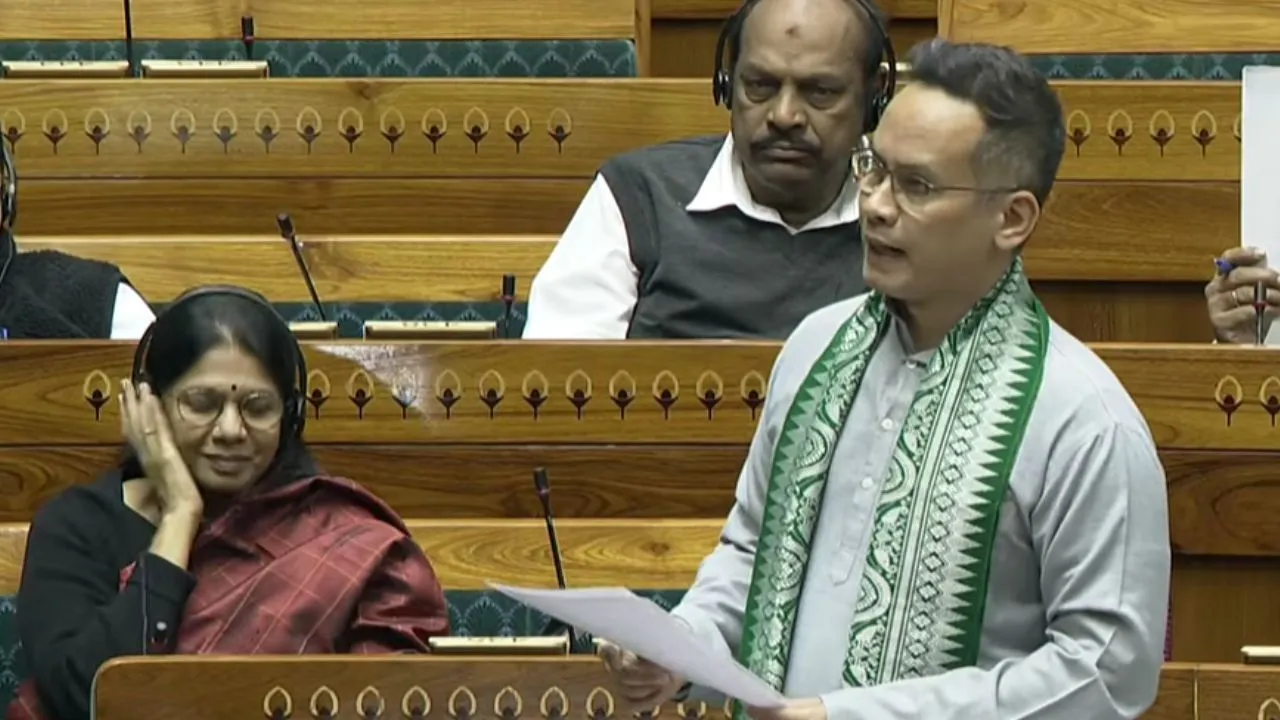
Gaurav Gogoi delivers sharp rebuttal during Vande Mataram debate
New Delhi: During the ongoing parliamentary debate marking 150 years of Vande Mataram, Congress MP Gaurav Gogoi delivered a sharp response to the ruling Bharatiya Janata Party (BJP), accusing it of “twisting” Bengal’s cultural heritage and failing to respect the true legacy of the song’s author, Bankim Chandra Chattopadhyay.
Gogoi the Jorhat MP argued that Bankim Chandra’s creation was rooted in a proud Bengali tradition of resistance against colonial rule, a tradition he said BJP has neither understood nor honoured.
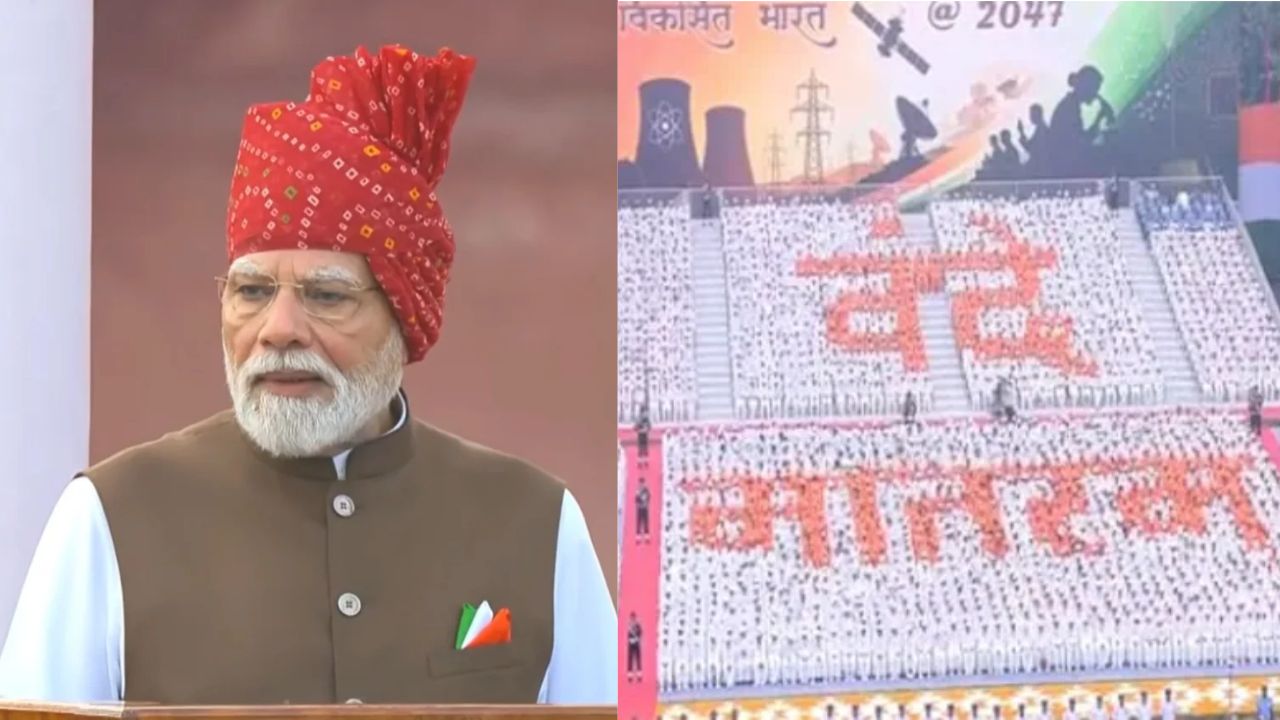
PM Modi hails Vande Mataram as freedom movement’s powerful mantra; Click for details
“BJP sees Bengal only through the lens of polarisation,” he said, claiming the party reduces Bengal’s identity to simplistic labels and fails to grasp the depth of its history.
The remarks by Gogoi come in response to the BJP’s line of attack led by Narendra Modi, who earlier accused the Congress during its 1937 session of removing stanzas from Vande Mataram under pressure, allegedly for appeasement, which he said contributed to national divisions.
Congress followed the spirit of Vande Bharat, Hindu Mahasabha saw song as Political tool
Congress MP, Gaurav Gogoi during the discussion on Vande Matram in the Lok Sabha #VandeMataram #PMModi #LokSabha #History #IndiaPolitics@narendramodi @PMOIndia @GauravGogoiAsm pic.twitter.com/a7EFqGot17
— Dynamite News (@DynamiteNews_) December 8, 2025
Gogoi challenged this historical interpretation. He contrasted the contemporary BJP’s nationalism with the legacy of the Congress during the independence movement, noting that Congress leaders sacrificed, were jailed even gave their lives for India’s freedom. In his view, no such record of sacrifice exists for BJP’s political ancestors. “You cannot rewrite history,” he asserted.
The speech by Gogoi reflects a broader resistance within the Opposition to what many perceive as an attempt to turn a historic-cultural symbol into a tool for political polarisation. Congress’s stance as voiced by Gogoi and other leaders emphasizes that the 1937 decision to retain only the first two stanzas of Vande Mataram was made on the advice of Rabindranath Tagore, to make the song more inclusive.
‘Nehru thought it would irritate Muslims’: PM Modi during Vande Mataram debate
Leaders of the Opposition rejected claims that the deletions were meant to appease any community. Instead, they argued it was a conscious choice to preserve national unity, respect cultural plurality, and avoid alienating citizens.
The debate over Vande Mataram isn’t just about a song. It dives deep into issues surrounding national identity, secularism, and India's pluralist heritage.
BJP’s narrative frames the restoration of omitted stanzas as reclaiming lost glory; Congress counters that the 1937 edits were part of a thoughtful effort to respect India’s diversity. Gogoi’s address underscored that history and symbolism should not be reduced to political weapons.