 English
 English

Parliament to End Phase One of Budget Session
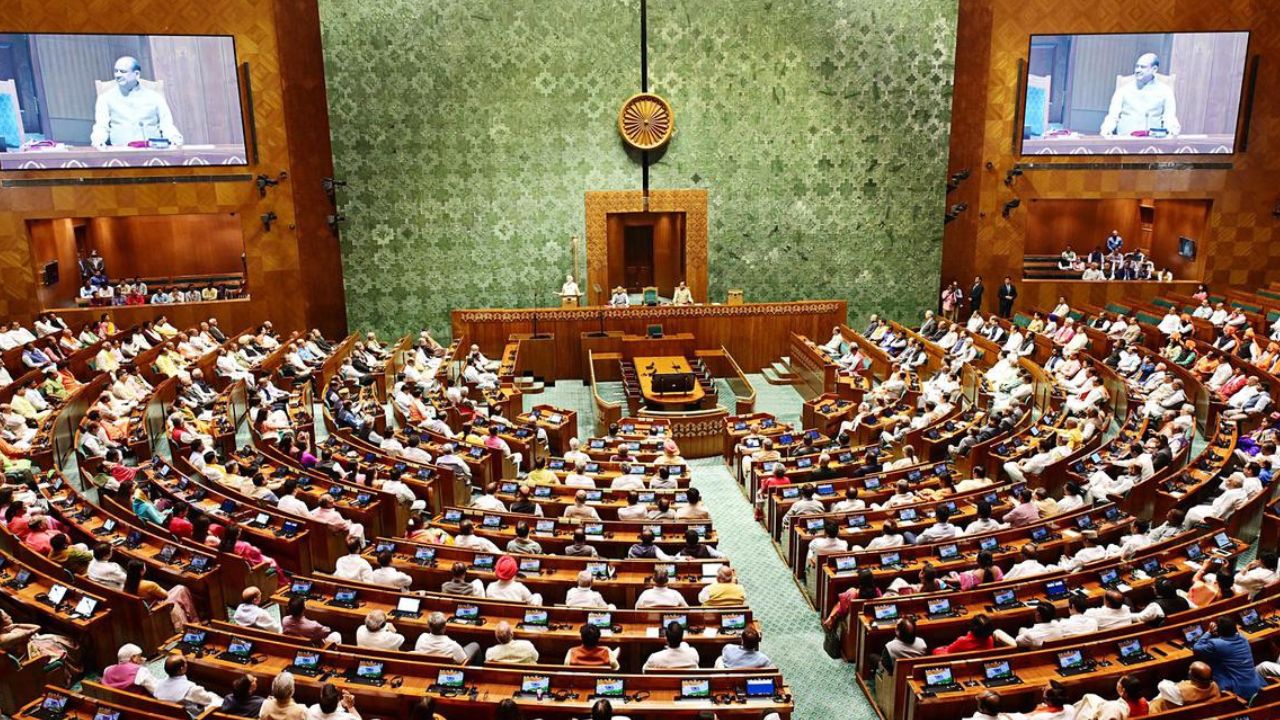
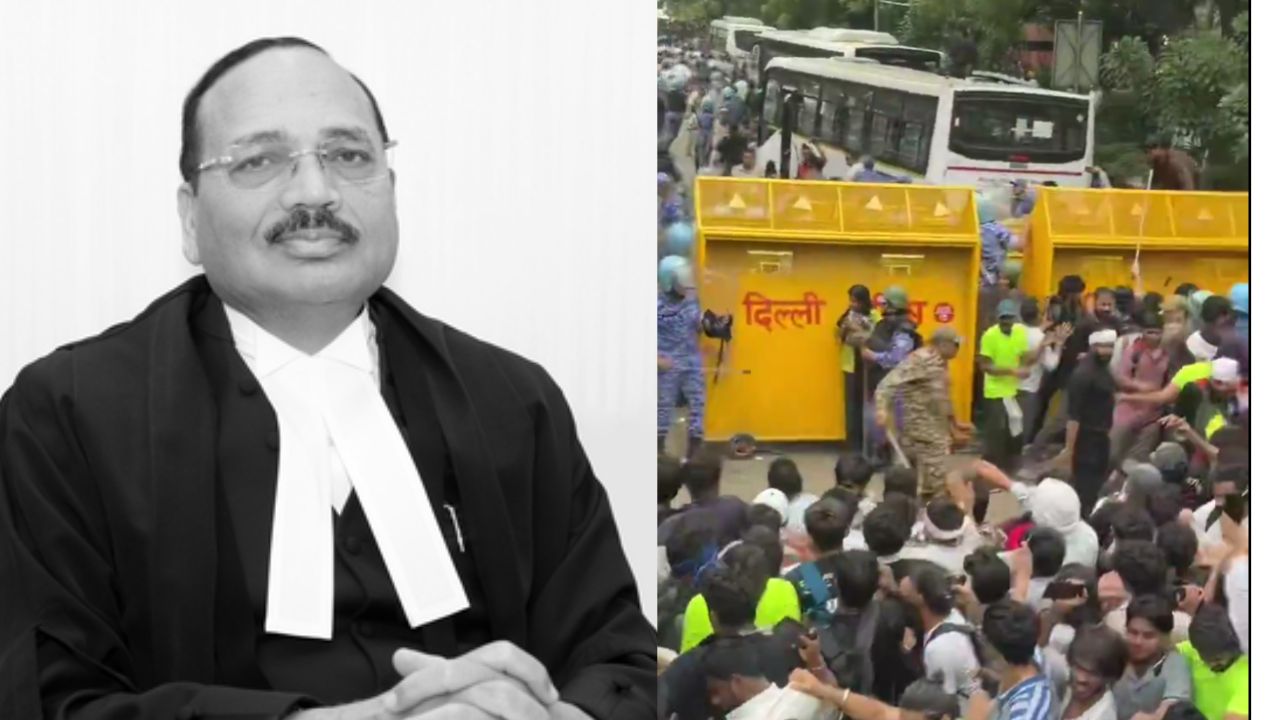
New Delhi: Several important matters are scheduled for the Lok Sabha on Friday, the final day of the first phase of the ongoing Budget Session of Parliament. According to the agenda, the House will begin with paying tribute to the late former MP Bhagwan Das Rathor, who passed away in January 2026. Following this, during Question Hour, Union ministers will provide oral answers to questions from various MPs.
Ministers from various ministries, including Education, Culture, Health, Home, Law and Justice, Commerce and Industry, and Textiles, will table official documents on the House table. The Standing Committee on Transport, Tourism, and Culture will present its report on the overall development of India's tourism sector, covering topics such as skill development, university-level courses, and guide-hospitality training.
Sitharaman Hits Back at Rahul Gandhi, Defends Budget and Targets TMC in Lok Sabha
Union Minister Prataprao Jadhav will make a statement on the status of implementation of recommendations related to mental health care and the Central Government Health Scheme (CGHS). Suresh Gopi will present the government's action plan on recommendations related to the Ministry of Petroleum and Natural Gas.
Private Members' Motions will include motions related to improving railway operations in Kerala, preserving historical forts in Maharashtra, and reducing court backlogs. Discussions are likely to focus specifically on simplifying procedures related to perjury (perjury) under the Indian Civil Defence Code, 2023.
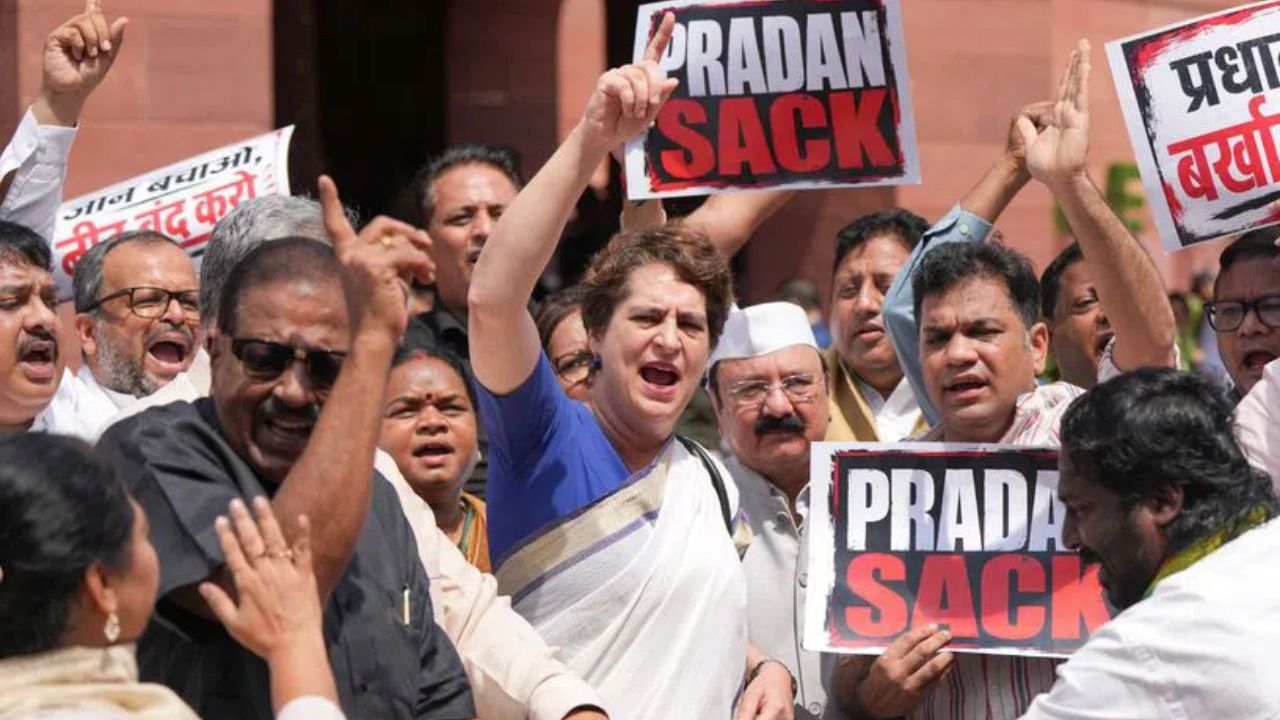
Budget Session 2026: Rahul Gandhi slams govt over economy, global policy; House witnesses uproar
On Thursday, the Lok Sabha passed the Industrial Relations Code (Amendment) Bill, 2026, after a lengthy debate. This amendment aims to address potential legal complications related to the three old laws-the Trade Unions Act 1926, the Industrial Employment Act 1946, and the Industrial Disputes Act 1947-replaced by the 2020 Code.
Many MPs participated in the House proceedings, and various ministries also presented additional documents. This phase of the Budget Session is considered crucial for policy discussions, legislative reforms, and administrative accountability.