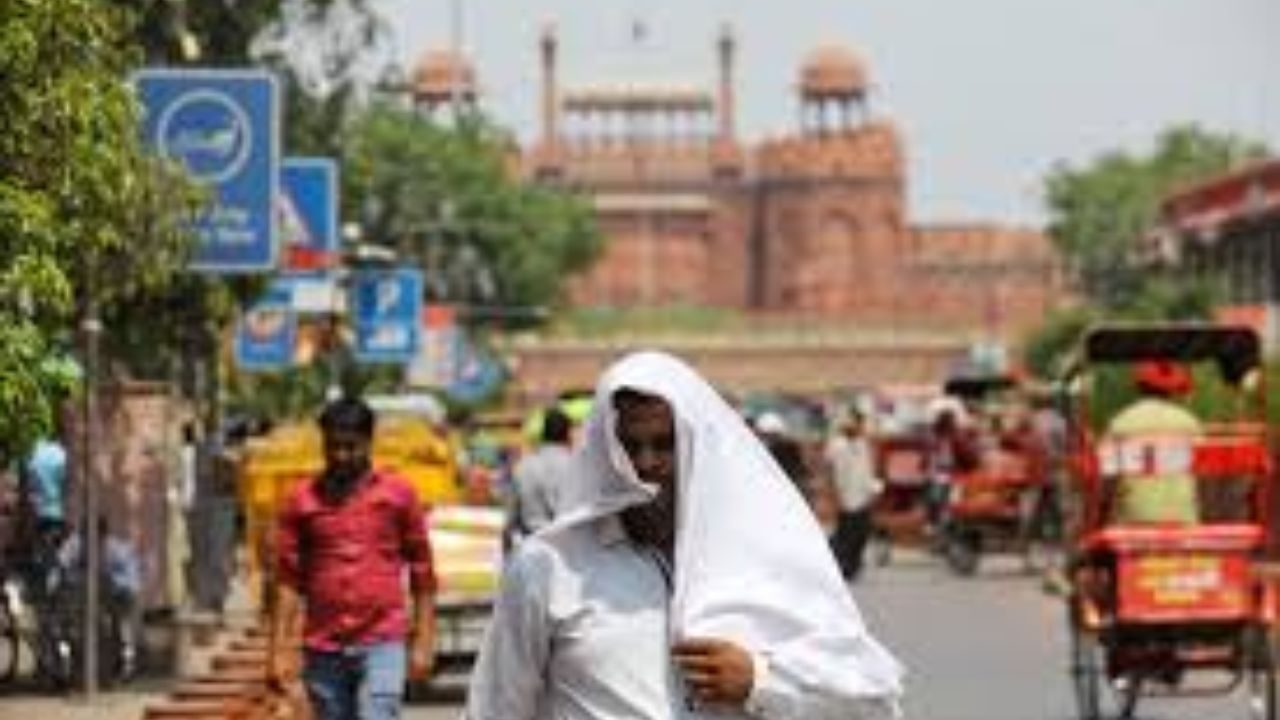
Outdoor work for labourers halted from 12to3 PM amid heatwave
New Delhi: As temperatures surge across the capital, the Delhi government has launched an upgraded “Heatwave Action Plan 2026” to tackle prolonged extreme heat conditions. Chief Minister Rekha Gupta reviewed the preparedness and said the new strategy is more scientific, data-driven, and focused on vulnerable groups.
Hotspots Identified Using Satellite Data
The government has mapped high-risk “thermal hotspots” and “heat island” zones across Delhi. Areas such as Aya Nagar, Najafgarh, and Safdarjung have recorded extreme temperatures in recent years, while Wazirpur, Jahangirpuri, Shastri Park, and Vishwas Nagar are also under close watch. Outer Delhi regions like Sawda, Bhalswa, and Nand Nagri are experiencing strong heat island effects due to dense urban conditions.
To protect school children, institutions have been directed to provide ORS solutions when needed, especially before students head home in peak heat. Construction workers will not be allowed to work outdoors between 12 PM and 3 PM during severe heatwave conditions.
The plan also includes provisions for animals and birds, with water bowls and cooling arrangements being installed in parks, bus depots, and school premises.
Delhi is moving ahead with its Cool Roof Policy, aimed at reducing indoor heat. Reflective coating has already been applied to rooftops at the Kashmiri Gate ISBT to lower temperatures. Bus stops will be equipped with misting systems, and anti-smog guns will be used to cool surrounding areas.
Over 339 health centres across Delhi have been put on alert, and more than 30 hospitals now have dedicated “cool rooms” for heatstroke patients. ASHA workers and 39 Quick Response Teams are ready to respond to emergencies.
Water kiosks, ORS distribution points, and mobile water carts will also be stationed at busy public locations.
With rising temperatures, electricity demand in Delhi is expected to cross 9,000 MW this summer. The government has instructed power companies to ensure uninterrupted supply, warning that outages will not be tolerated.
The Heatwave Action Plan 2026 reflects Delhi’s intensified efforts to reduce heat-related risks and improve emergency response as the city braces for another harsh summer.

