Hybrid classes announced for schools up to Class 11.
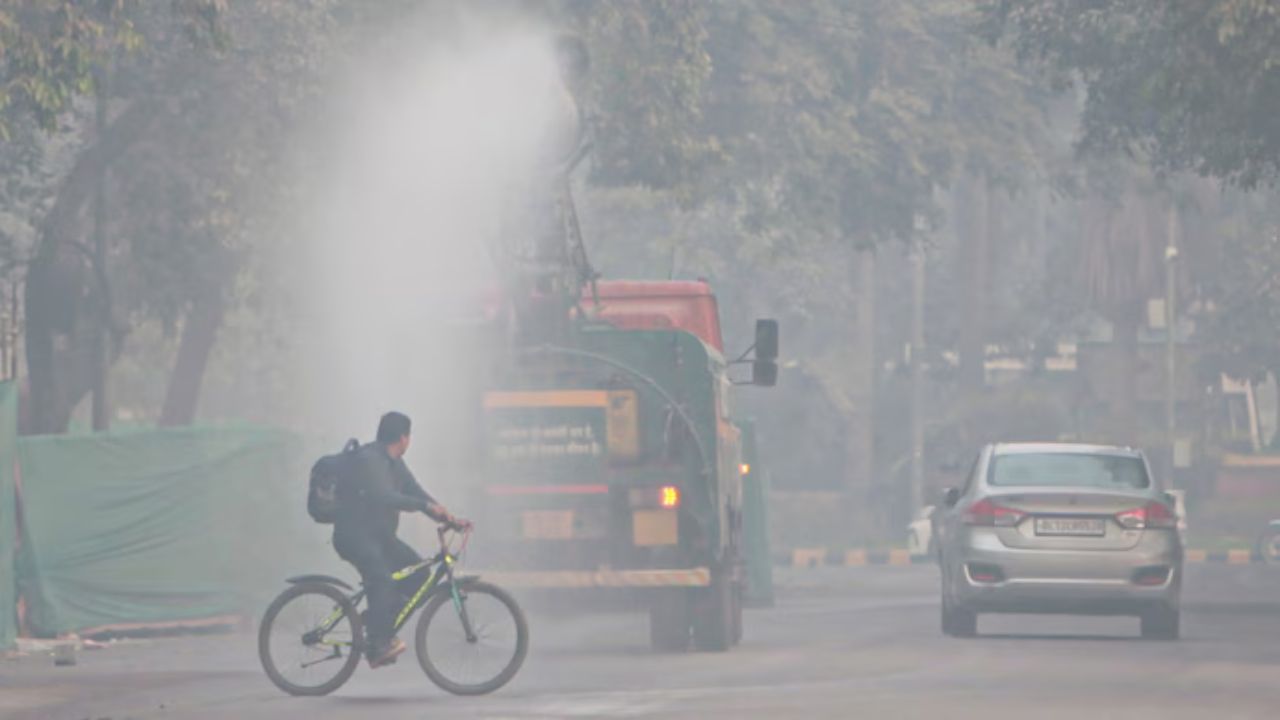
New Delhi: Delhi once again found itself battling a severe air pollution crisis as thick smog engulfed the city. Breathing conditions worsened rapidly, prompting authorities to bring back strict emergency measures. As residents struggled with irritation, coughing and reduced visibility, the administration moved quickly to limit exposure, especially for children and working professionals.
All government and private schools up to Class eleven have been instructed to conduct classes in a hybrid format, allowing both physical attendance and online learning. Class ten students remain exempt due to board examination requirements. This step aims to reduce the number of children commuting daily while ensuring academic continuity during the pollution emergency.
In a parallel move, government and private offices have been directed to allow fifty percent of their staff to work from home. By reducing traffic and daily movement, officials hope to lower immediate emissions and minimize health risks. Similar steps were taken earlier but were withdrawn when air quality briefly improved.
Delhi-NCR chokes as AQI soars past 350; Residents struggle for breath
The air quality crisis escalated quickly over the weekend, pushing authorities to enforce the most stringent stage of pollution control measures across Delhi and the surrounding region. All actions under earlier stages remain active, with additional restrictions now layered on top. These steps are designed to prevent further deterioration as pollution levels remain dangerously high.
Air quality index readings painted a grim picture, crossing into the severe plus category by evening. Levels well above safe limits triggered serious concern among health experts and policymakers. Such readings indicate air that can cause respiratory distress even among healthy individuals and pose severe risks to children, elderly people and those with existing conditions.
Delhi’s Air Pollution Hits Hazardous Level: Strict GRAP 4 Restrictions Implemented
The graded response framework is designed to activate measures based on pollution intensity. Poor air quality prompts initial restrictions, which intensify as conditions worsen. Once levels cross into very poor and severe categories, stricter controls are applied. The current stage represents the highest alert, reserved for extreme pollution events.
Officials explained that the sudden spike in pollution was largely driven by unfavorable weather rather than fresh local emissions. A weak western disturbance altered wind patterns, slowed air movement and increased moisture near the surface. These conditions trap pollutants close to the ground, leading to smog and reduced dispersion during winter.
Cold season meteorology creates an ideal environment for pollution buildup. Calm winds, temperature inversion and high humidity prevent pollutants from rising and dispersing. As a result, emissions from vehicles, construction and other sources linger longer, pushing air quality into hazardous territory within hours.
Authorities emphasized that the current measures are precautionary and aimed at safeguarding public health. Limiting outdoor exposure, reducing travel and encouraging remote work are seen as immediate steps to protect residents while longer term solutions continue to be discussed.
Officials will continue to monitor air quality and weather patterns closely. Any improvement could lead to a gradual easing of restrictions, while further deterioration may require additional steps. For now, residents are advised to stay indoors, use protective masks when outdoors and avoid strenuous activities.

