 English
 English

Delhi's AQI crosses 400 again
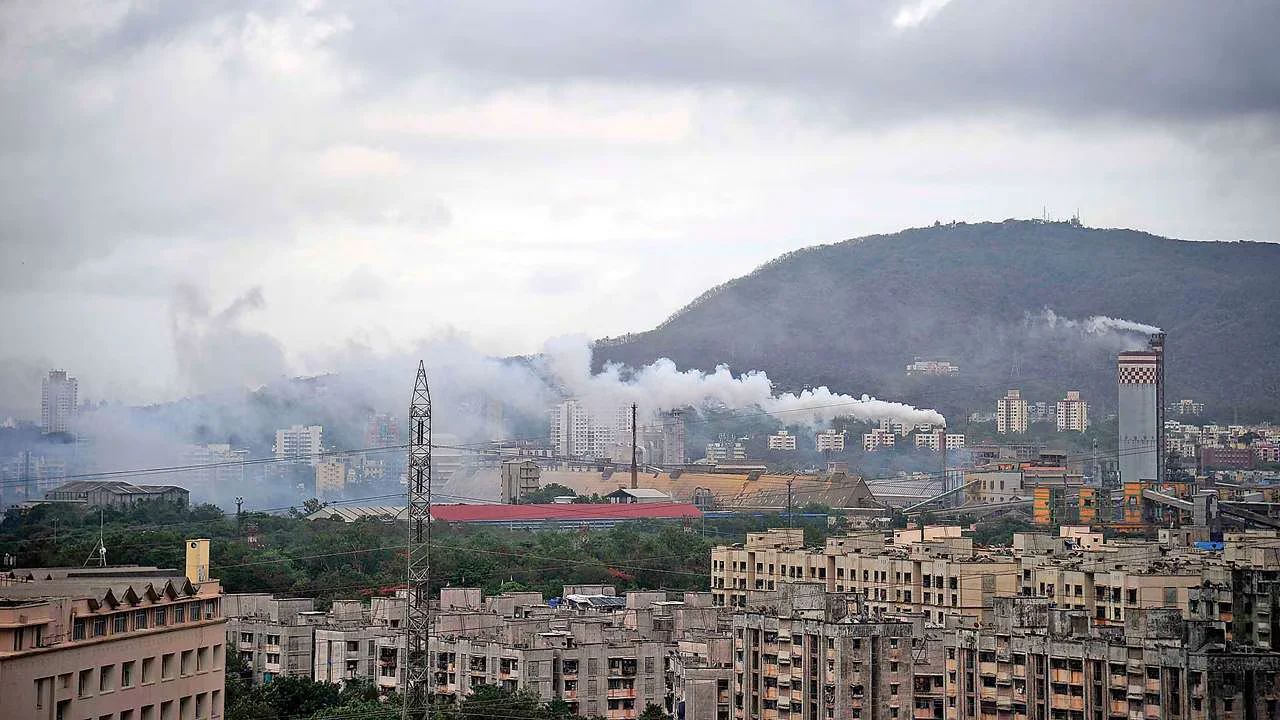
New Delhi: The situation in the national capital, Delhi, had been improving somewhat, but as predicted, it began to deteriorate again. On the evening of December 2 (Tuesday), Delhi's air quality again reached dangerous levels. Pollution levels rose sharply across the city, and many areas entered the "severe" category. According to Central Pollution Control Board (CPCB) data, the national capital's AQI was recorded at 390 by 9 pm, significantly higher than Monday's 304 and Sunday's 279.
Out of 39 monitoring stations, 19 recorded an Air Quality Index (AQI) above 400. This indicates a return to conditions known to have serious health impacts. Areas with severe pollution include Burari, Anand Vihar, Mundka, Bawana, Vivek Vihar, Rohini, Sonia Vihar, Ashok Vihar, Punjabi Bagh, and several other areas.
Delhi AQI Forecast
Delhiites shouldn't expect clean air just yet. The Air Quality Early Warning System has warned that pollution levels aren't expected to improve anytime soon. According to the system, the city's AQI is expected to remain in the 'very poor' category until at least December 5th. It also states that pollution levels are likely to remain in this range for the next six days, suggesting that there won't be any immediate improvement in average air quality.
Stations with AQI above 400
According to the CPCB's SAMEER app, these stations recorded 'severe' AQI levels as of 8 pm on Tuesday:
Transport the largest local source
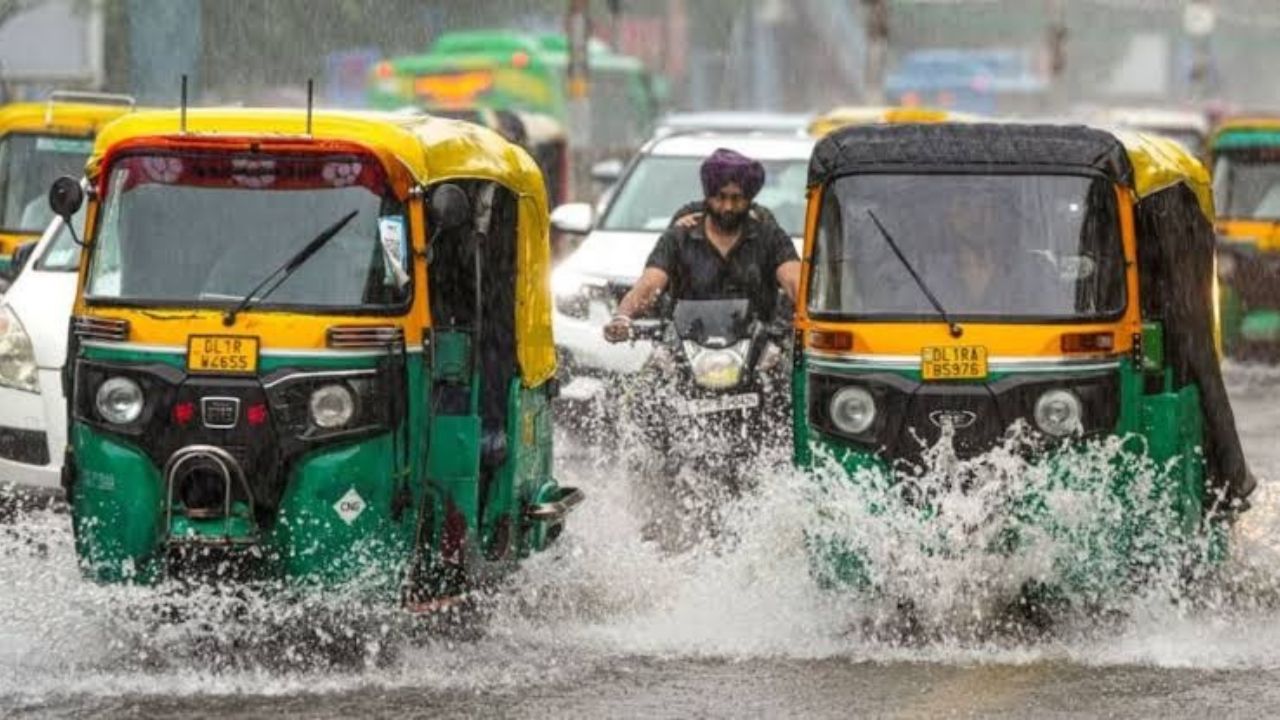
According to recorded data, transport remained the largest local source of pollution emissions. According to news agency PTI, this sector contributed 18.4% to Delhi's total pollution. Emissions from nearby factories were followed by 9.2%. Nearby cities also contributed significantly: Noida (8.2%), Ghaziabad (4.6%), Baghpat (6.2%), Panipat (3.3%), and Gurugram (2.9%). According to estimates, transport emissions are expected to account for 15.6% on Wednesday.