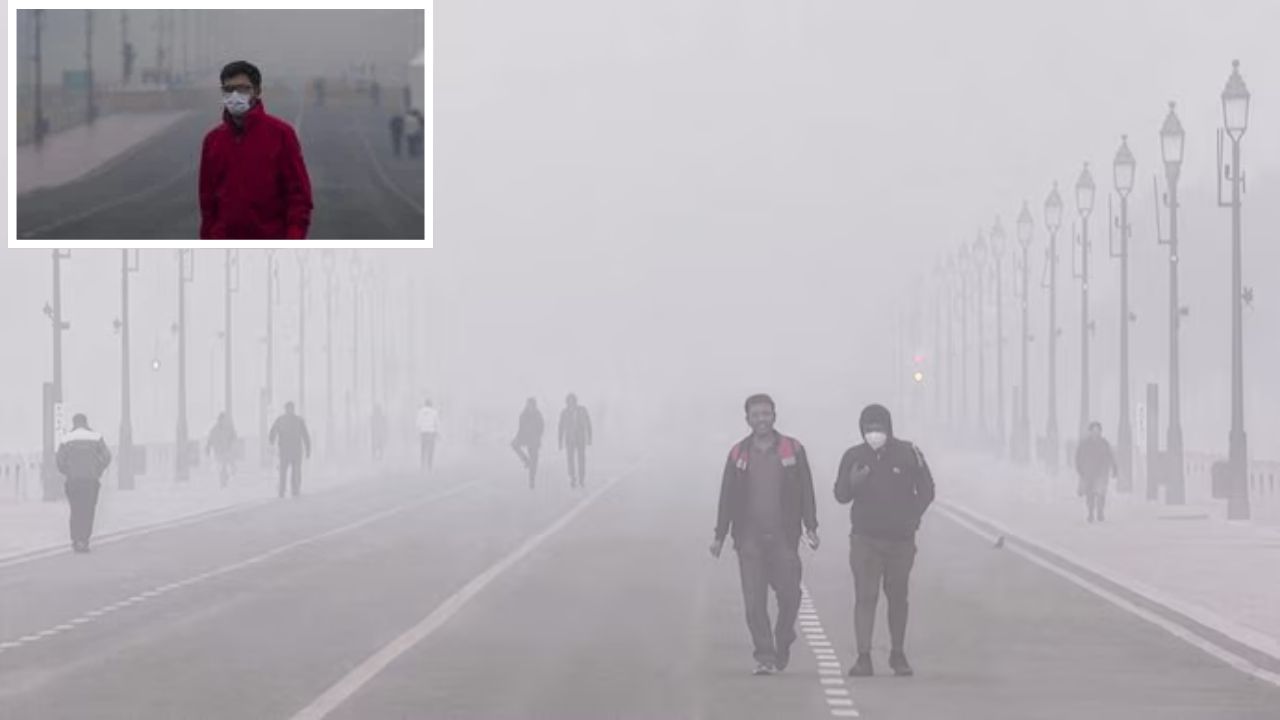
Stage IV of GRAP brings the strictest restrictions for Delhi-NCR
New Delhi: The air quality in Delhi and the National Capital Region (NCR) has deteriorated sharply, forcing the Commission for Air Quality Management (CAQM) to implement Stage IV of the Graded Response Action Plan (GRAP).
On Sunday, the Air Quality Index (AQI) was recorded at 431 at 4 pm and surged to 446 by 6 pm. Experts attribute this rapid increase to slow wind speeds, a stable atmosphere, unfavourable weather conditions, and poor pollutant dispersal.
Noida, Ghaziabad schools shift to online mode as AQI worsens; How are students coping?
GRAP, or the Graded Response Action Plan, is a structured set of measures aimed at combating extreme air pollution in Delhi-NCR. The plan is designed to protect public health and reduce emissions quickly during severe pollution episodes, with restrictions intensifying as air quality worsens.
The GRAP system classifies air quality into four stages, each triggering specific curbs:
Stage I (Poor, AQI 201-300): Basic pollution control measures such as dust suppression and traffic management.
Stage II (Very Poor, AQI 301-400): Tighter restrictions including generator limits and parking controls.
Stage III (Severe, AQI 401-450): Major restrictions such as banning construction activities and diesel generators.
Stage IV (Severe Plus, AQI above 450): Emergency measures including truck entry bans, work-from-home directives, and school restrictions.
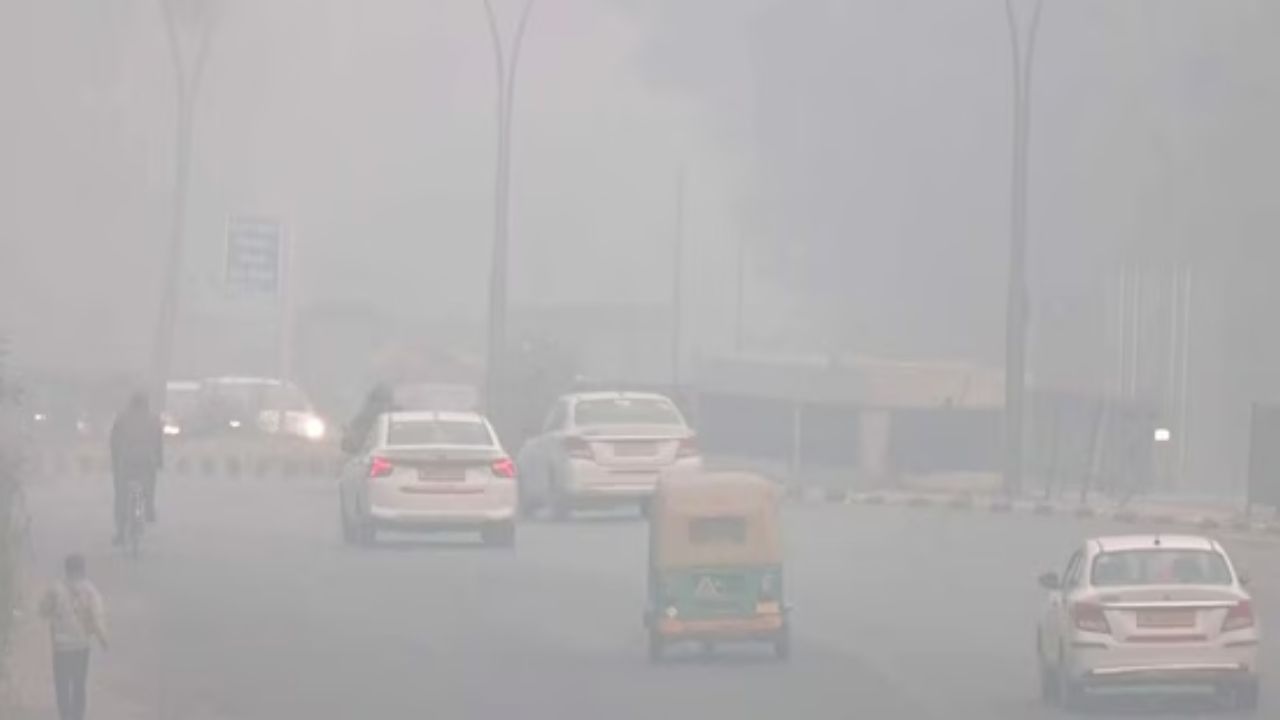
GRAP Stage IV in Delhi-NCR severe AQI
Stage IV is the most stringent level under GRAP and has been activated to curb pollution immediately. Key measures include:
Traffic and Vehicles: Entry of trucks into Delhi is prohibited, except for those transporting essential goods or providing critical services. Clean-fuel vehicles such as electric, CNG, LNG, and BS-VI diesel trucks are permitted.
Schools and Offices: All government and private schools are to operate in hybrid mode (both online and offline) for students up to Class IX and XI, excluding Class X. Government and private offices are instructed to operate at 50% strength, with the rest of the staff working from home.
Essential services, including hospitals, pharmacies, emergency services, power, water supply, and food distribution, continue to function. Infrastructure projects related to public utilities- metro rail, highways, airports, defense, healthcare, and sanitation—are allowed under strict dust-control norms. Public transport, including buses and the metro, remains operational.
Authorities have urged citizens to minimize non-essential travel and prioritize the use of clean-fuel vehicles. These measures are intended to rapidly reduce pollutant levels while safeguarding public health, as Delhi faces one of its most severe air pollution episodes of the season.


