 English
 English

CJI Surya Kant recommends hybrid hearings amid hazardous AQI
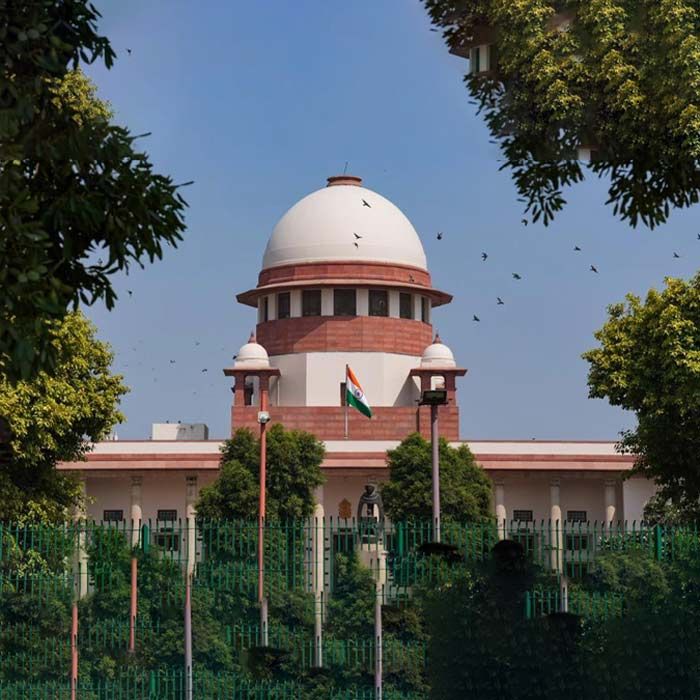
New Delhi: Amid persistently hazardous air pollution levels in the national capital, Chief Justice of India (CJI) Surya Kant has advised lawyers and parties appearing in person before the Supreme Court to opt for hybrid mode hearings through video conferencing, wherever it is convenient to do so.
The advisory was issued as concerns grow over the serious health impact of Delhi’s deteriorating air quality, which has frequently remained in the very poor to severe categories on the Air Quality Index (AQI).
Delhi wakes up to cloudy and hazy Sunday; Residents struggle for breath as AQI soars past 400
During court proceedings, the Chief Justice spoke candidly about the toll the toxic air has taken on his own health. He revealed that he felt unwell after going for a 55-minute walk a day earlier, highlighting how even routine physical activity has become difficult amid the pollution crisis.
“The only exercise I manage is walking, but even that has become difficult,” the CJI observed, underlining the seriousness of the environmental conditions confronting residents of the city, including members of the legal fraternity.
Supreme Court Update: Due to prevailing weather conditions, Chief Justice of India Surya Kant has advised Members of the Bar/Parties-in-Person to, if convenient, appear via hybrid mode (video conferencing) for their listed matters
— Dynamite News (@DynamiteNews_) December 14, 2025
The Supreme Court currently functions through a hybrid hearing system, enabling advocates and litigants to appear either physically or virtually. While physical hearings continue as scheduled, the latest advisory seeks to reduce unnecessary exposure to the polluted environment, especially for those with health vulnerabilities.
The court’s video conferencing infrastructure, strengthened since the pandemic, allows seamless participation without compromising judicial efficiency.
The issue was raised during hearings by senior advocates Rakesh Dwivedi and Kapil Sibal, who expressed concern over the health risks faced by lawyers particularly elderly members of the Bar and urged the court to permit wider use of virtual appearances.
Delhi AQI crosses 400 again, fears of more next week; Why is this?
Responding to these concerns, CJI Kant assured the Bar that any move towards a more uniform or mandatory virtual hearing framework would be taken only after detailed consultations with Bar associations to avoid hardship for lawyers and litigants. He later met office-bearers to deliberate on possible measures.
Delhi-NCR continues to grapple with its annual winter pollution crisis, prompting concern across the judiciary. Earlier, Justice P.S. Narasimha had also cautioned lawyers against long-term health damage and encouraged the use of virtual facilities. Meanwhile, the Delhi High Court continues to hear a Public Interest Litigation related to air pollution control.
The Supreme Court’s advisory reflects a growing institutional effort to balance access to justice with public health concerns.