 English
 English

India’s Exam System Faces Major Reset: NTA And NEET Reforms On The Way
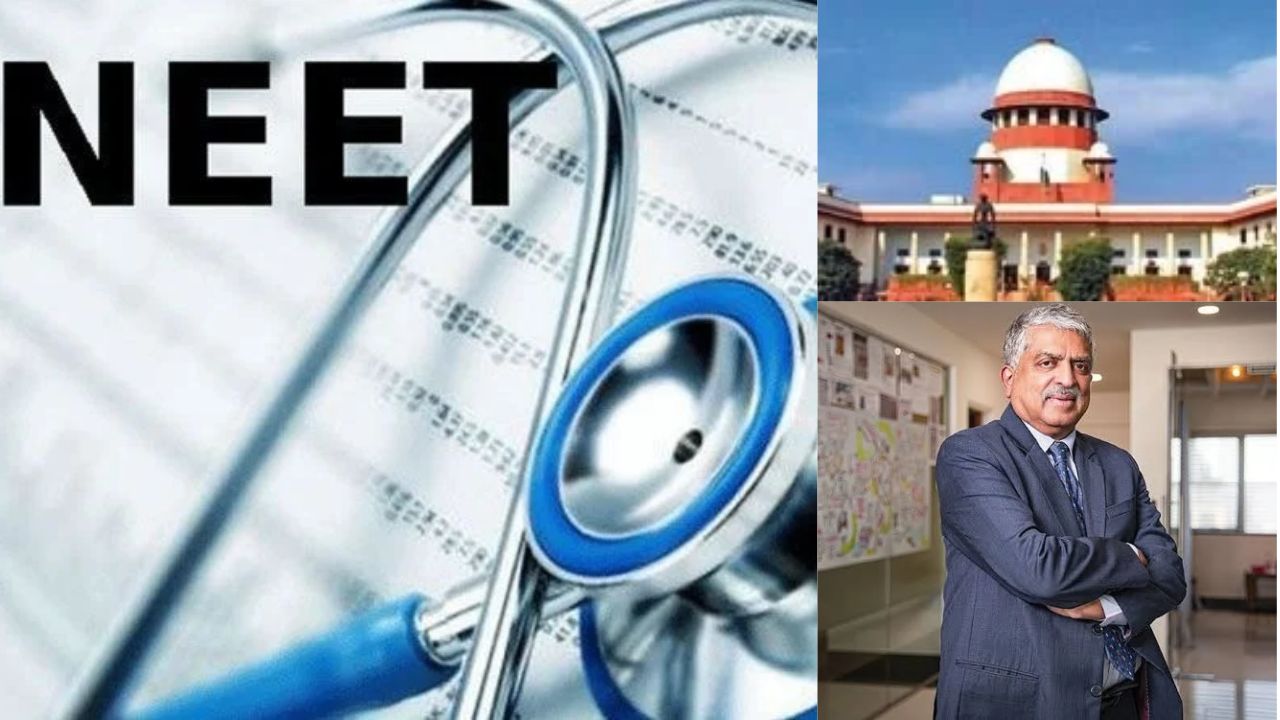
New Delhi: India’s examination system is moving towards a major overhaul after a Parliamentary committee recommended sweeping reforms in the National Testing Agency (NTA), while a high-powered task force led by Nandan Nilekani has started collecting suggestions from students, teachers and education experts.
The reform push comes amid rising concerns over exam paper leaks, security failures, administrative gaps and growing pressure to build a transparent testing system for millions of aspirants appearing in national-level examinations.
The Parliamentary Standing Committee on Education, Women, Children, Youth and Sports has suggested measures ranging from improving NTA’s manpower to strengthening question paper security and reviewing the current format of major entrance examinations such as NEET.
The Parliamentary committee has raised concerns over the operational capacity of the National Testing Agency, pointing out that over 41 per cent of sanctioned positions in the organisation remain vacant.
The panel has recommended that filling these vacancies should be treated as an immediate priority to improve the agency’s efficiency and examination management capabilities.
The draft report on strengthening the NTA noted that only 23 officers are currently working with the organisation on deputation, raising questions about whether the existing workforce is adequate for conducting some of India’s largest competitive examinations.
The committee has stressed the need for a stronger administrative structure, better coordination between departments and improved monitoring systems.
One of the key recommendations made by the committee is that the government should explore the possibility of introducing a multi-stage format for the National Eligibility cum Entrance Test (NEET). A multi-stage examination model could reduce the pressure of a single-day test and create additional layers of security in the examination process.
The committee has also suggested that the question paper preparation process should be completed within a shorter and controlled timeframe to reduce the possibility of leaks. The recommendation focuses on protecting confidential examination material and improving the reliability of the paper-setting system.
To tackle repeated concerns over question paper leaks, the Parliamentary panel has recommended that the NTA develop a large, dynamic and continuously updated question bank.
Under the proposed mechanism, examination papers could be generated from a wider database, reducing the possibility of individuals knowing the final questions before the test.
The committee believes that technology-based solutions, artificial intelligence tools, secure digital platforms and stronger surveillance systems can help prevent malpractice in competitive examinations.
The recommendation comes at a time when examination integrity has become a major concern among students and parents across the country.
The committee has suggested changes in examination centre management to improve both security and student convenience. One recommendation involves allowing students who arrive late at examination centres to appear for tests under certain circumstances.
The panel has also suggested stricter verification procedures, with invigilators required to conduct proper checks before examinations begin. The aim is to create a balance between preventing unfair practices and ensuring that genuine candidates do not suffer due to procedural issues.
While the Parliamentary committee has prepared recommendations, a separate high-powered task force formed by the central government has started its consultation exercise.
The committee, headed by technology entrepreneur Nandan Nilekani, is seeking views from various stakeholders to design a future-ready public examination framework.
Students, parents, teachers, universities, examination agencies, subject experts, technology professionals, industry groups and civil society organisations have been invited to share suggestions.
The consultation process will focus on several areas, including examination security, assessment methods, governance systems, institutional structure and mechanisms to prevent and address malpractice.
The reform process indicates a growing focus on technology-driven solutions to improve India’s examination ecosystem. Experts believe that secure digital systems, data-based monitoring, automated assessment tools and improved governance structures can help rebuild trust among students.
With millions of candidates appearing every year for medical, engineering and government recruitment examinations, ensuring fairness and transparency has become a national priority. The proposed changes could impact major examinations conducted by the National Testing Agency, including NEET, JEE and other entrance tests.
For students and parents, examination security has become one of the biggest concerns after several controversies involving paper leaks and irregularities.
A reliable examination system is considered essential not only for academic careers but also for maintaining public confidence in merit-based selection processes.
The latest reform efforts aim to create a system where technology, transparency and accountability work together. The recommendations of the Parliamentary committee will be reviewed after the report is formally placed before Parliament.
Meanwhile, the Nandan Nilekani-led task force will continue receiving suggestions from stakeholders before preparing its final recommendations.
The outcome of these reforms could decide the future structure of competitive examinations in India, with greater focus on security, fairness and technology-based solutions.