English
 English

DGCA demands data on flight restoration and crew recruitment.
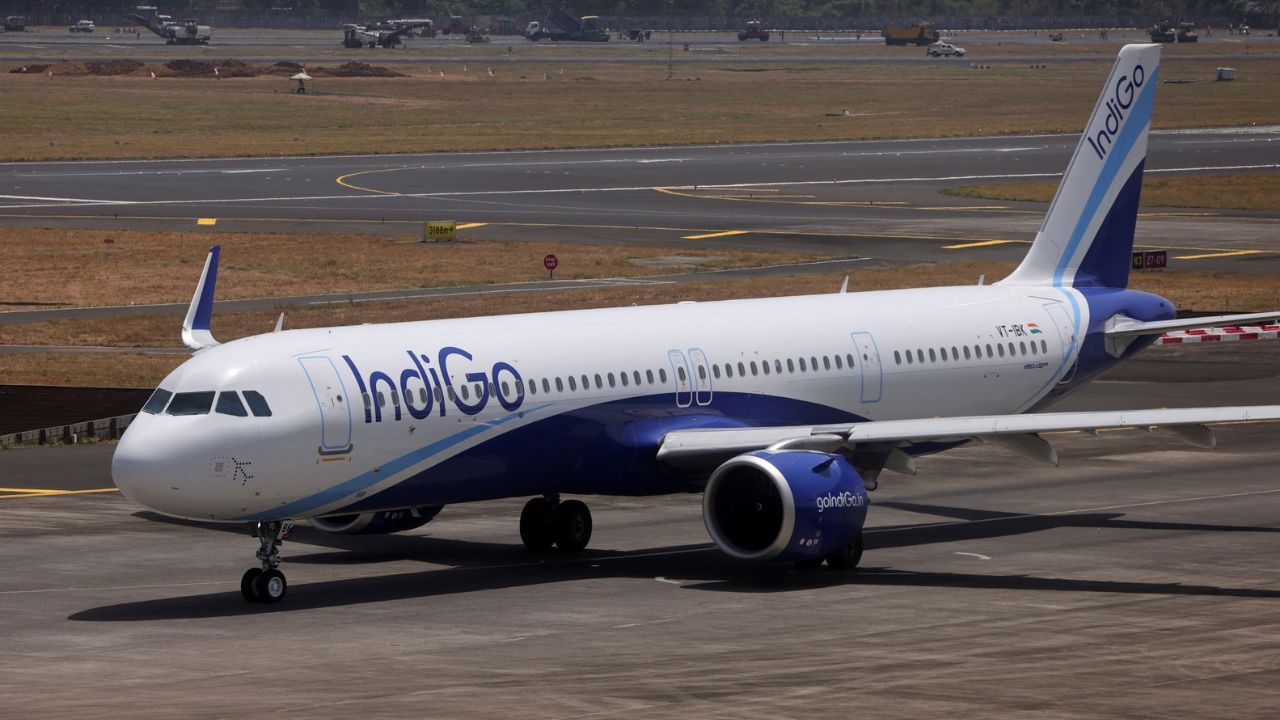
New Delhi: IndiGo, Indias largest carrier by market share and daily operations, faced a major operational setback on Wednesday as the airline cancelled over seventy flights across the country. Several departures from major hubs including Bengaluru and Mumbai were scrapped or delayed, leading to widespread passenger distress and long queues at airports.
While the airline acknowledged multiple operational challenges, internal sources confirmed that an acute shortage of flight crew has become the core of the crisis. The issue has intensified following the rollout of the second phase of the revised Flight Duty Time Limitations norms which tighten rules on pilot working hours and mandatory rest periods.
In a statement, IndiGo said it had experienced unavoidable operational disruptions over recent days. The spokesperson pointed to technology related snags, congestion at busy airports and other operational requirements as contributors to the delays.
However, sources within the aviation sector stressed that the shortage of pilots and cabin crew due to the implementation of the new duty time rules was the fundamental cause. According to insiders, the second phase of the FDTL norms has sharply reduced crew availability and forced airlines to adjust rosters on short notice.
The situation worsened through Tuesday and became more severe by Wednesday, with many flights either cancelled outright or delayed for hours, affecting thousands of travellers.
IndiGo flight from Kuwait to Hyderabad diverted to Mumbai after bomb threat
The mounting challenges were reflected in IndiGos on time performance from six major domestic airports which dropped sharply to just thirty five percent on Tuesday. This was significantly lower than other carriers operating on similar routes.
Air India recorded a punctuality rate above sixty seven percent while Air India Express topped seventy nine percent. SpiceJet performed even better crossing eighty two percent and Akasa Air reached over seventy three percent, placing IndiGo far behind all competitors.
The revised FDTL norms mandate longer weekly rest periods of forty eight hours and redefine night duty conditions including limiting night landings to only two compared to six allowed earlier. These rules were ordered into implementation following a Delhi High Court directive and were rolled out in phases after airlines sought additional time.
IndiGo, Air India hit hard as A320 fleet undergoes major upgrade; Airlines issue travel advisories
The first phase was activated in July while the second more stringent phase came into effect on November one. IndiGo and Air India, which operate a high share of night flights, have been hit hardest by the adjustments required for compliance.
IndiGo operates around two thousand one hundred flights daily with a fleet of over four hundred aircraft. As of December two, about fifty aircraft remained grounded due to various reasons ranging from maintenance to parts shortages. This puts extra pressure on the existing operational fleet at a time when crew availability is already stretched.