English
 English

PM Modi to Outline India’s Strategy Amid Escalating West Asia Crisis
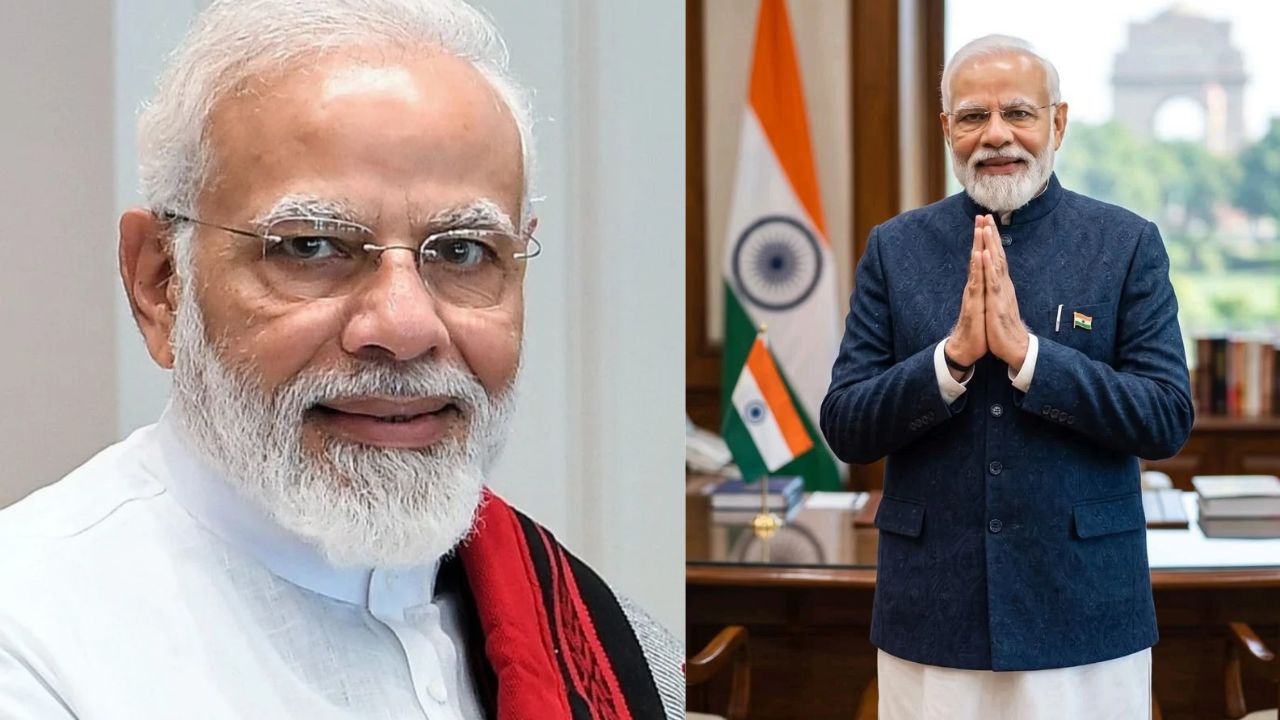
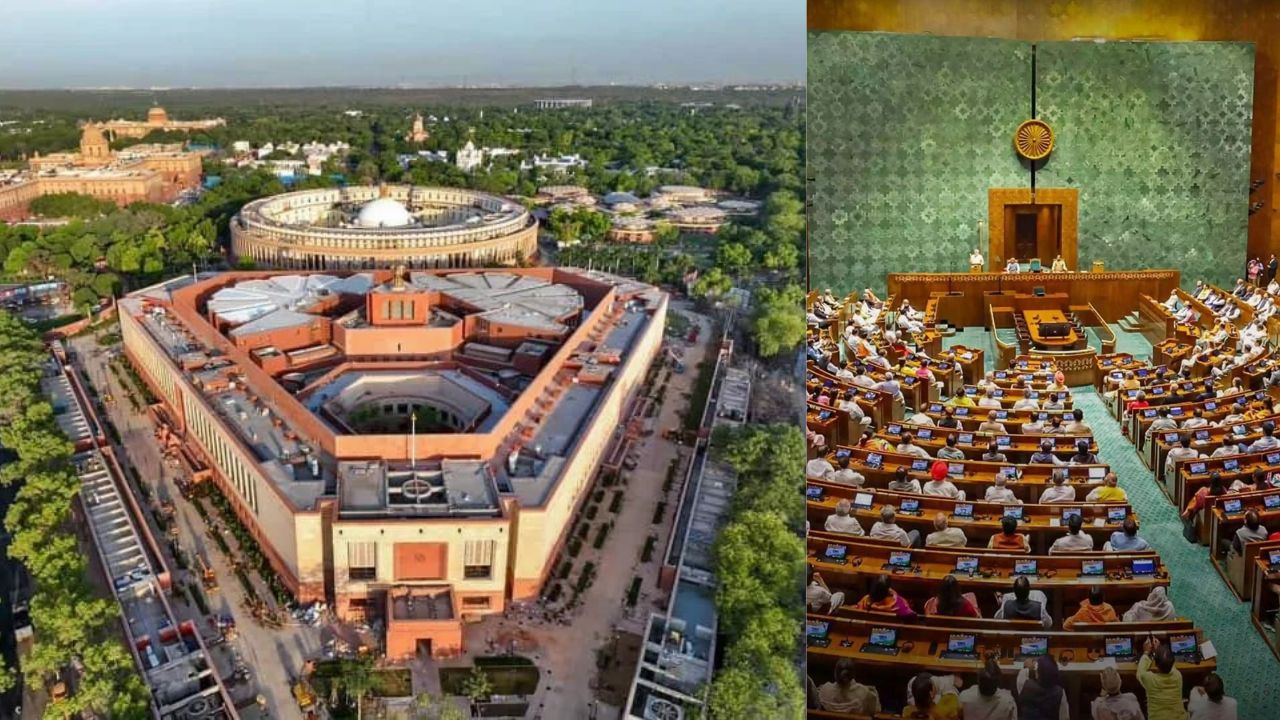
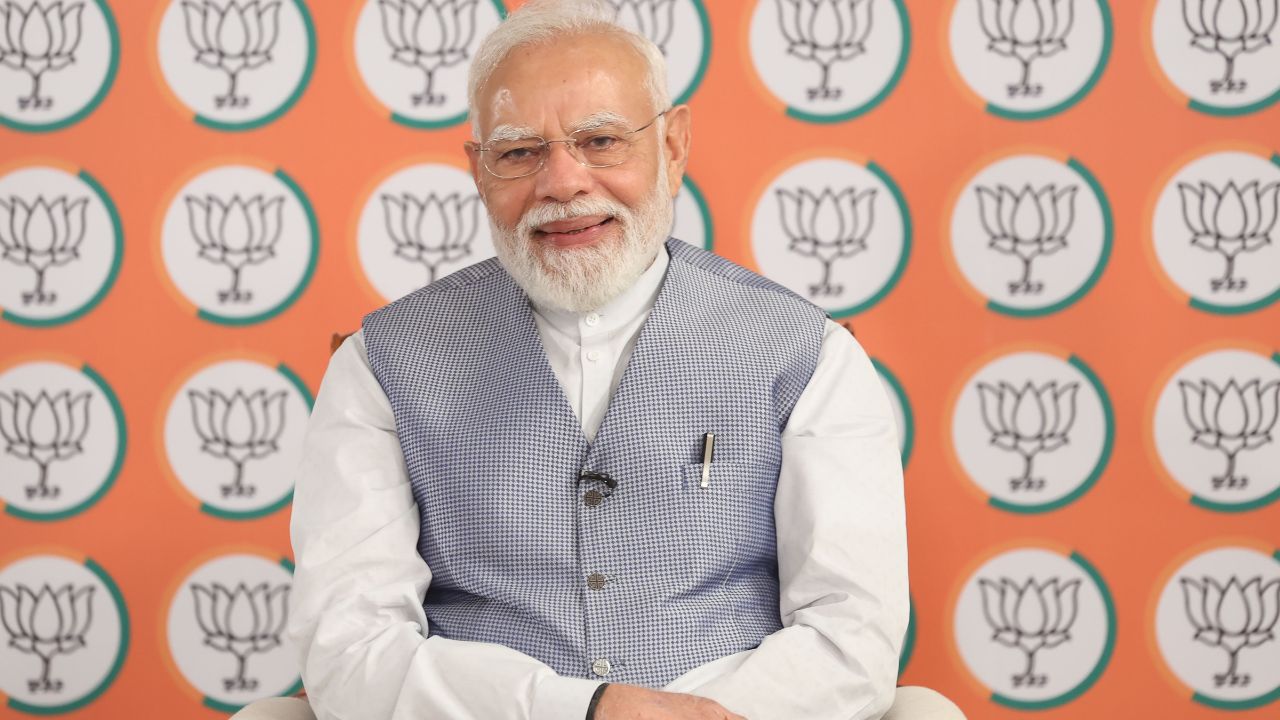
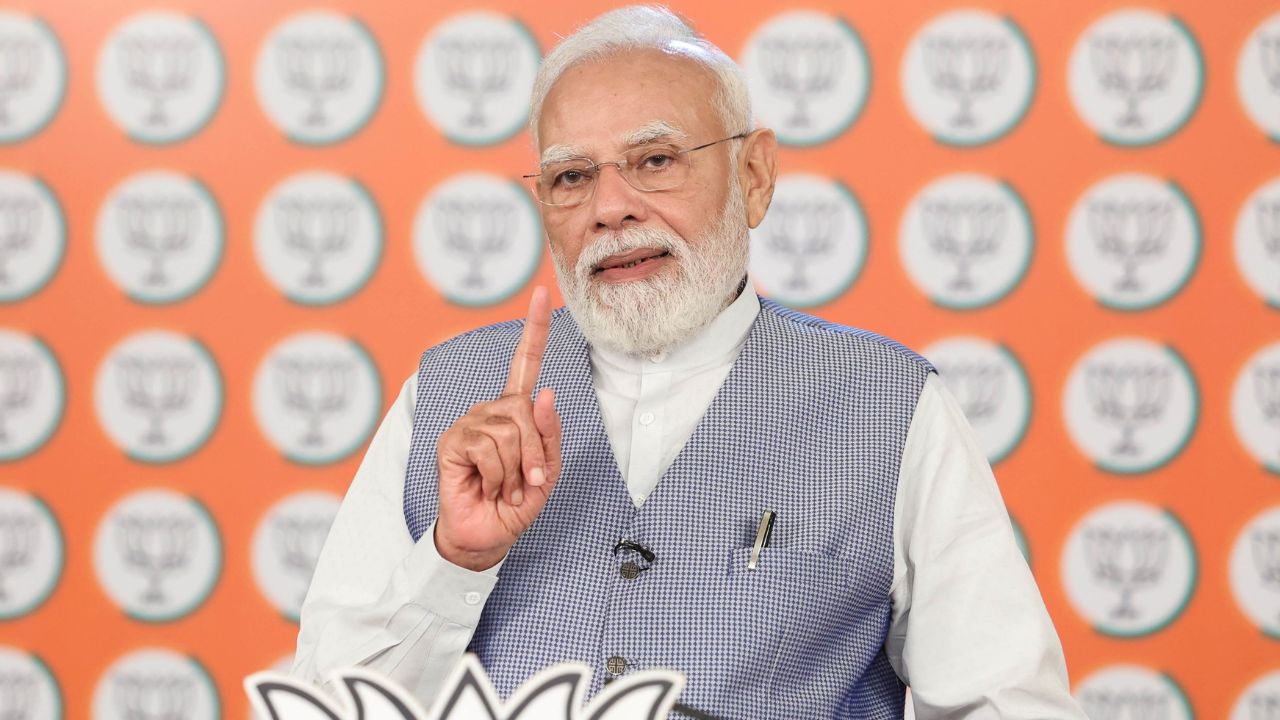
New Delhi: Prime Minister Narendra Modi will address the Lok Sabha, the lower house of Parliament, today at 2 pm on the current situation in West Asia. This address is taking place during the Budget session, in which the government will clarify its position on the global situation and its impact on India.
The Prime Minister's Office and the Cabinet Secretary recently presented a detailed presentation on the global scenario and the steps taken to address it. The presentation discussed the efforts made so far by various ministries and departments and future plans.
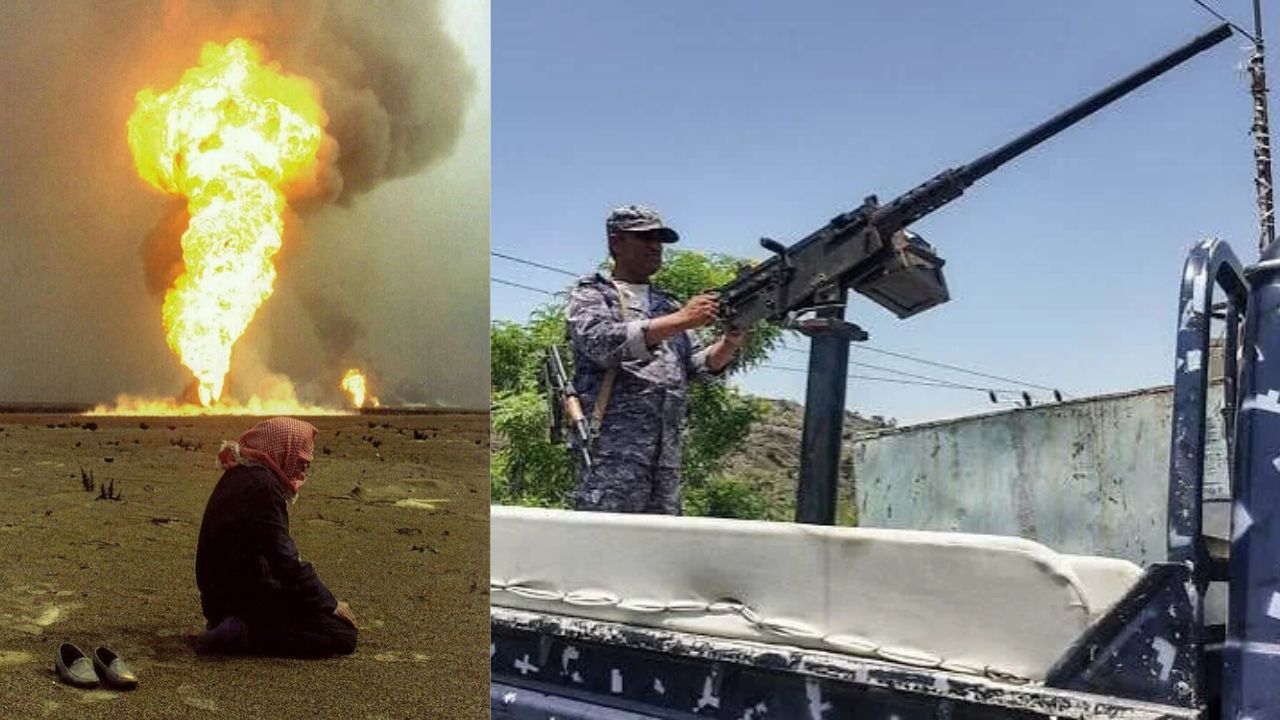
The ongoing conflict in West Asia is expected to impact several sectors, including agriculture, fertilizers, food security, petroleum, power, MSMEs, exports, shipping, trade, finance, and supply chains. The meeting discussed in-depth the potential impact on these sectors and measures to address them.
The government has placed special emphasis on ensuring the availability of essential commodities such as food, energy, and fuel for the general public. Short-term, medium-term, and long-term strategies were discussed to avoid any shortages and ensure smooth supply.
With an eye on the Kharif season, the availability of fertilizers for farmers was reviewed. Adequate reserves built up over the past year are expected to ensure timely supplies. Alternative sources are also being identified.
The availability of adequate coal reserves at all power plants in the country will ensure power supply is unaffected. Diversifying import sources and developing new export markets for industries such as chemicals, pharmaceuticals, and petrochemicals were also discussed.
The Prime Minister emphasized that this is a constantly evolving situation, impacting the entire world. In such a situation, the government's primary responsibility is to ensure minimal inconvenience to citizens. He emphasized better coordination between all departments and state governments to prevent hoarding and black marketing of essential commodities.