 English
 English

Reset clause for loans reduced to 3 months.
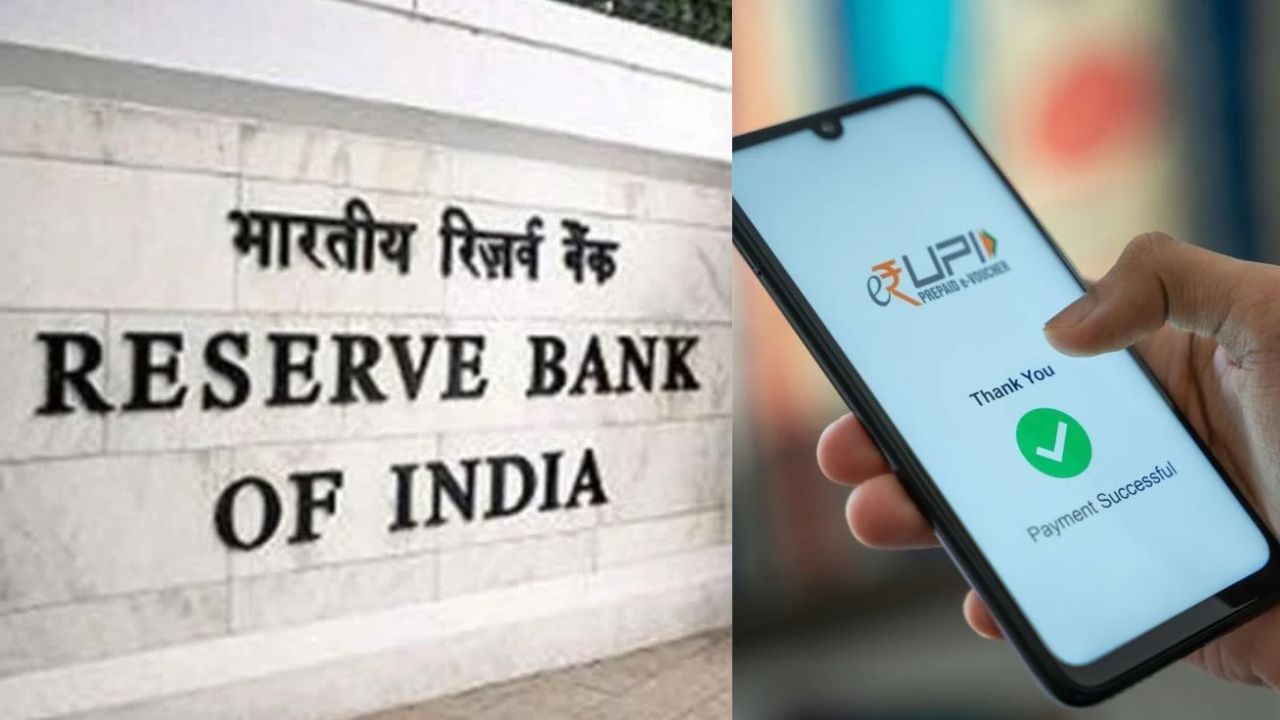
New Delhi: The Reserve Bank of India has recommended that banks link loans provided to micro, small and medium enterprises to an external benchmark to improve the efficiency of monetary policy transmission. The move aims to ensure that changes in policy rates are reflected more promptly in lending rates, benefiting MSMEs with lower and transparent interest costs.
Under the external benchmark system, the reset clause for loans has been reduced to three months. This enables faster adjustment of interest rates in line with policy changes, ensuring that MSMEs can avail the benefits of lower borrowing costs more quickly. Banks have been advised to adopt this system for both new and existing loans wherever feasible.
To extend the benefits of the external benchmark regime to existing borrowers, banks are instructed to provide a switchover option based on mutually agreed terms. This allows MSME units that had previously availed loans under older schemes to shift to the new interest rate structure and gain from timely rate revisions.
The government has also implemented Quality Control Orders with specific exemptions and relaxations for MSMEs to prevent disruptions in domestic production. Micro, small and medium enterprises are provided phase-wise exemptions by the Bureau of Indian Standards through the Department of Consumer Affairs, ensuring smooth compliance without affecting operational efficiency.
Delhi Police arrest 3 in digital arrest scam that cheated elderly woman of Rs 1.16 crore
Some of the notable exemptions include additional time for compliance, with micro enterprises getting six months and small enterprises three months. Exemptions also apply for import of goods needed for export-oriented production or for research and development purposes up to 200 units. Legacy stock manufactured or imported prior to the implementation of QCOs can be cleared within six months.
MSMEs benefit from significant financial concessions under BIS, including an annual minimum marking fee reduction of eighty percent for micro enterprises, fifty percent for small enterprises, and twenty percent for medium enterprises. Additional ten percent concessions are available to units located in the northeast or run by women entrepreneurs. The requirement for maintaining an in-house laboratory has also been made optional for MSMEs.
Tirupati devasthanam hit by new scam; Rs54Cr silk dupatta fraud surfaces after fake ghee case
To further support MSMEs, the government has introduced the Mutual Credit Guarantee Scheme for MSMEs, which provides a credit guarantee making it easier for enterprises to access loans for purchasing essential machinery and equipment. Schedule commercial banks are instructed not to demand collateral security for loans up to ten lakh rupees extended to micro and small enterprises, easing access to finance for small businesses.
These measures are expected to strengthen financial inclusion, promote ease of doing business, and encourage MSMEs to expand production capabilities. By linking loans to external benchmarks, providing relaxations in compliance, and supporting access to collateral-free credit, the government aims to create a more supportive ecosystem for MSME growth and sustainability.