English
 English

RBI’s 25 bps Cut Likely to Boost Demand
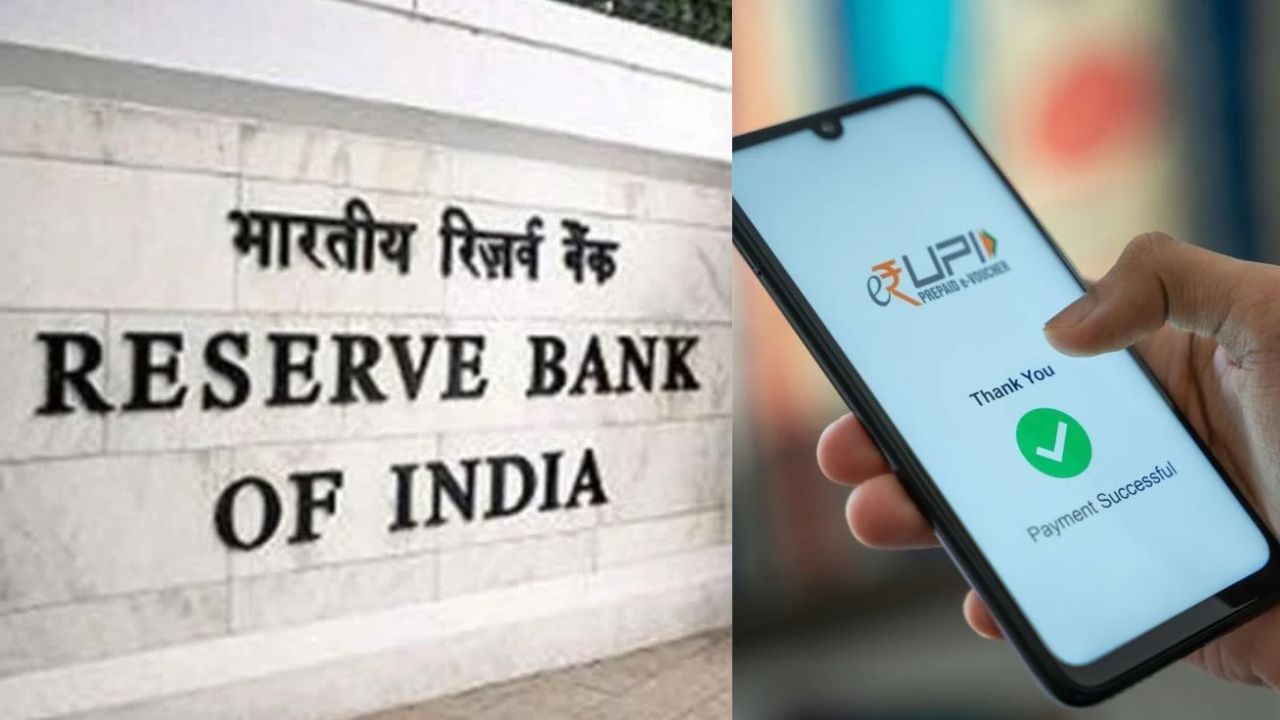
New Delhi: The central bank today reduced its policy repo rate by 25 basis points, bringing it down to 5.25%. This decision to lower the repo rate was taken unanimously by the Monetary Policy Committee (MPC).
This rate cut is to increase liquidity in the economy and encourage investment and spending by reducing the cost of borrowing. A lower repo rate will make borrowing cheaper for banks, which could lead to a reduction in EMIs for home loans, car loans, and other types of loans.
The 25 basis point repo rate cut announced by Reserve Bank of India (RBI) Governor Sanjay Malhotra will not immediately impact fixed deposit (FD) interest rates. However, banks may reduce interest rates on FDs, especially short and medium-term ones, in the coming weeks.
RBI revises home loan rules, cheaper loans ahead; Full details here
Since February, when the MPC cut rates for the first time since May 2020, several banks had already reduced FD interest rates by 50 to 100 basis points. This trend is likely to continue after the latest repo rate cut.
The RBI's latest cut aims to boost economic activity and encourage investment. Lower borrowing costs are expected to strengthen both investment and consumption. In this environment, depositors are advised to re-evaluate their investment strategy.
Experts suggest that adopting a laddering strategy for FD investments may be the safest approach. In this method, investors divide their total amount into FDs of varying tenures to:
Minimize the risk of interest rate fluctuations
Ensure a continuous flow of funds at regular intervals
Maintain a better average return
This method also ensures a stable income while meeting liquidity needs.
Senior citizens typically receive an additional 25-50 basis points of interest on FDs. Experts advise them to lock in their investments in long-term FDs to take full advantage of this premium, as further declines in interest rates are possible in the coming months.
RBI vs SBI: Did India’s biggest banks clash over plagiarism in economic research reports?
Financial advisors also recommend some alternative investment avenues besides FDs, such as:
When choosing these options, investors should consider their financial goals, risk tolerance, and investment horizon.
The RBI's rate cut will stimulate the economy, but it's essential for depositors to adjust their strategies in the changing interest rate environment. Adopting a prudent and diversified investment portfolio is now even more crucial for better returns and risk management.