 English
 English

Supreme Court Verdict Pending In Decades-Old Mahaveer Ji Jain Temple Battle
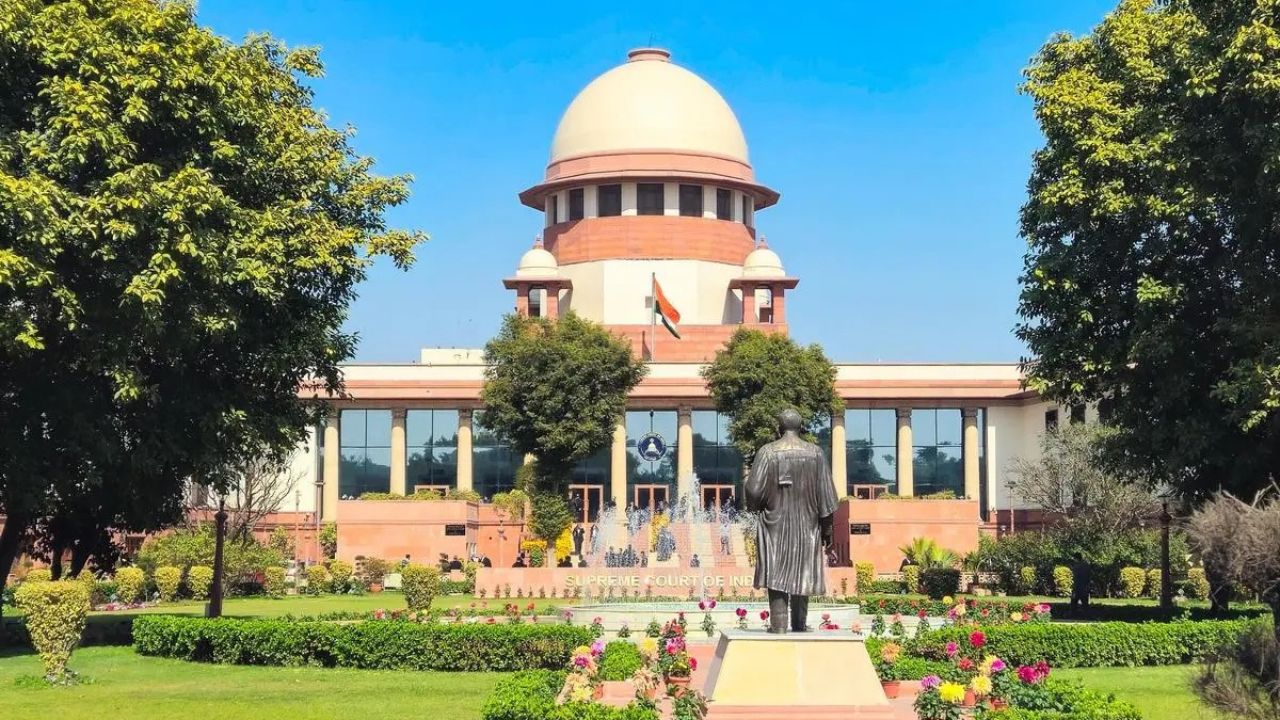
New Delhi: The Supreme Court has reserved its decision in the decades-old Mahaveer Ji Jain Temple management dispute between the Shwetambar and Digambar sects, putting the spotlight on a major legal question linked to the Places of Worship Act, 1991.
The case is being closely watched because the verdict could clarify whether the 1991 law applies only to disputes over the religious character of places of worship or can also impact battles over administration and management of religious institutions.
The Bench of Justice JB Pardiwala and Justice K Vinod Chandran completed the hearing on September 9 and reserved the order. The court has allowed both sides eight days to submit their written arguments.
During the hearing, the Bench raised concerns over the prolonged legal fight between two major Jain sects over the management of the revered Shri Mahaveerji Jain Atishaya Kshetra Temple in Rajasthan.
The Court highlighted that religious matters require extreme sensitivity and questioned whether such a long legal battle over a temple associated with Lord Mahaveer serves the larger interest of the Jain community.
The judges also examined whether the dispute was limited only to administrative control or whether it could impact religious practices and rituals followed at the temple.
The dispute relates to the management and administration of Shri Mahaveerji Jain Atishaya Kshetra Temple located in Karauli district of Rajasthan. The legal battle started with proceedings under Section 40 of the Rajasthan Public Trust Act, 1959.
The application sought the removal of the President and Secretary of the Digambar Samiti, which manages the temple, and demanded the formation of a new management committee representing the Shwetambar sect.
The dispute involves questions over the control of temple affairs, administration rights and management of properties attached to the religious institution. Over several decades, the matter moved through different courts before reaching the Supreme Court.
The central issue before the Supreme Court is the interpretation of the Places of Worship (Special Provisions) Act, 1991. The law was introduced to maintain the religious character of places of worship as they existed on August 15, 1947, and restrict conversion-related disputes.
However, the present case raises a different question on whether a dispute related only to management and administration can attract restrictions under the 1991 law.
The Digambar side argued that the case is not about changing the religious identity of the temple but only about its management structure. Senior Advocate Shyam Divan, representing the Digambar side, submitted that there was no demand for conversion or alteration of the temple’s religious character. He argued that the matter should be decided through evidence related to administration rights.
The Shwetambar side raised objections regarding the legal route followed after the proceedings were closed under the 1991 Act. Senior Advocate Aryama Sundaram argued that the Rajasthan High Court should not have entertained the appeal because the proceedings had already been ended under the 1991 Act.
The argument was that since the 1991 law did not provide a direct appeal mechanism, the affected party should have approached the High Court through a writ petition instead.
The Shwetambar side also highlighted that the temple, deity and attached properties had historically remained under the control and management of the Digambar sect.
The hearing focused on an important legal distinction on whether control over temple administration is separate from changing the religious character of a place of worship.
The Digambar side maintained that the dispute was only about management for the benefit of the Jain community and did not involve changing religious traditions.
The Apex Court questioned whether religious rituals would remain protected if there was any change in the administrative arrangement of the temple. The court also sought clarity on whether both sects could continue their respective practices without creating conflict inside the temple.
During the hearing, Justice JB Pardiwala asked whether any party taking control of the temple administration would ensure that existing religious practices and rituals would not be disturbed.
The Digambar side maintained that religion is a personal matter and different sects may have different interpretations regarding rituals. However, it reiterated that the dispute was restricted only to management and administrative control. The Supreme Court indicated that it would focus on the legal questions involved and avoid entering wider religious controversies.
The dispute dates back several decades and has passed through multiple legal stages. In 1970, proceedings against the Digambar Committee regarding temple administration were allowed by the Sub-Divisional Officer. In 1994, the trial court closed the proceedings after an application was filed under Section 4 of the Places of Worship Act, 1991.
The Rajasthan High Court later held that an order passed under Section 40 of the Rajasthan Public Trust Act could be treated as a decree and therefore could be challenged through a statutory appeal.
The High Court also ruled that ending proceedings under the 1991 law did not eliminate the right of an aggrieved party to challenge the decision.
The Digambar Samiti then approached the Supreme Court through a Special Leave Petition. The case is registered as Prabandhkarini Committee Digambar Jain Atishaya Kshetra Shri Mahaveerji vs Shri Sanjeev Paliwal and is pending before the apex court.
The final judgment could have implications beyond the Mahaveer Ji Jain Temple. The ruling may provide clarity on how the Places of Worship Act applies in disputes involving religious institutions, especially where the conflict is related to management rights rather than changing the character of a shrine.
The decision could become an important legal reference for future cases involving religious trusts, temple administration and competing claims over management authority. For the Jain community, the verdict will decide the future administrative framework of one of Rajasthan’s most significant pilgrimage centres.
The decision is expected to answer key questions surrounding religious institution management, statutory rights under trust laws and the scope of the Places of Worship Act, 1991.