English
 English

Chief Justice of India (CJI) Surya Kant (Img: X)
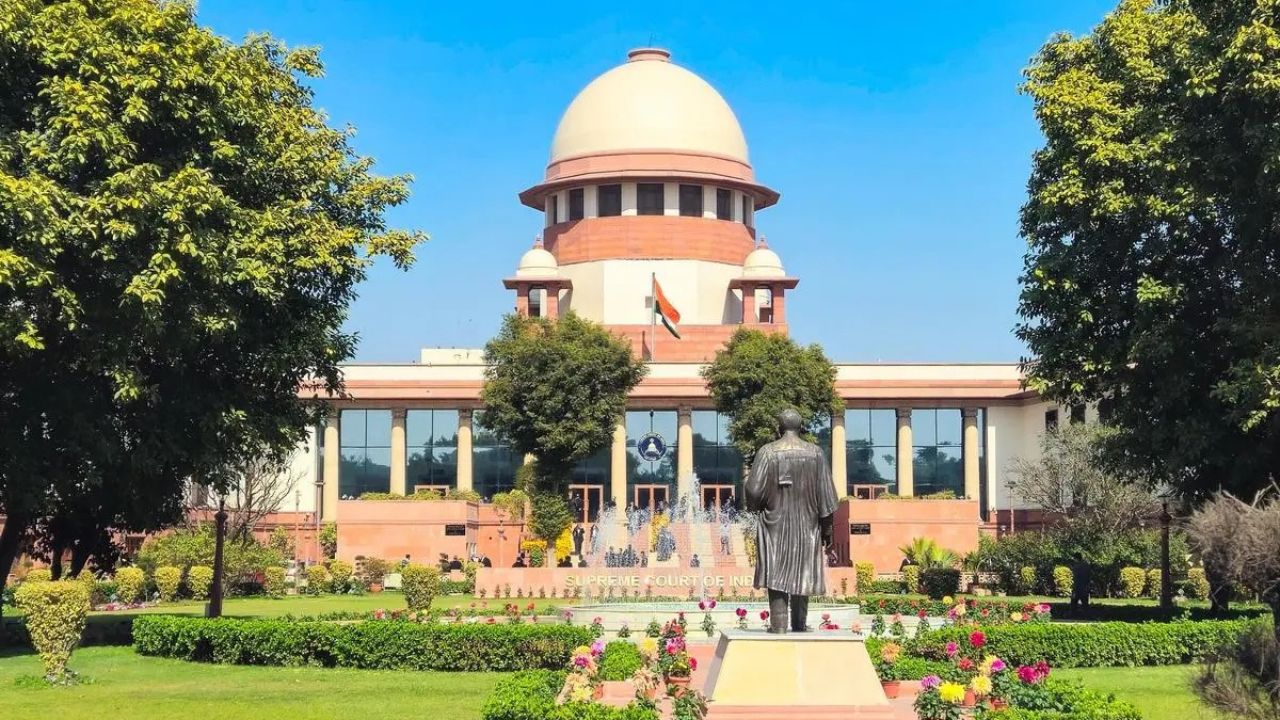
New Delhi: The Supreme Court has refused to extend the deadline for the high-powered committee formed to define the Aravalli hills and range. Chief Justice of India (CJI) Surya Kant questioned whether the panel was trying to delay the matter until after his retirement.
The CJI-led bench rejected the committee’s request to submit its final report by February 28, 2027, and directed it to complete the exercise by November 30, 2026.
During the hearing, CJI Surya Kant remarked that the committee should have clearly sought a date after his retirement if it wanted more time. He questioned whether the extension request was aimed at pushing the matter beyond his tenure.
The bench directed the five-member committee to “work day and night” and complete the report within the revised deadline. The court also made it clear that no further extensions would be granted.
The controversy revolves around defining the Aravalli hills, one of India’s oldest mountain ranges with major ecological importance. An earlier proposal suggested that landforms rising at least 100 metres above local relief should qualify as Aravalli hills.
However, environmental experts raised concerns that such a definition could exclude several ecologically sensitive areas and leave them vulnerable to mining and other activities.
The Supreme Court later kept the earlier definition in abeyance and ordered a fresh scientific assessment by a high-powered expert panel.
The court instructed the committee to consult all affected groups, including governments of Delhi, Rajasthan and Haryana, environmental organisations, local communities, farmers, tribal groups, mining lease holders and other stakeholders.
The Supreme Court said the final decision must be based on scientific evidence, environmental protection and sustainable development principles.
The committee is expected to submit issue-specific interim findings before the next hearing scheduled for December 2.