 English
 English

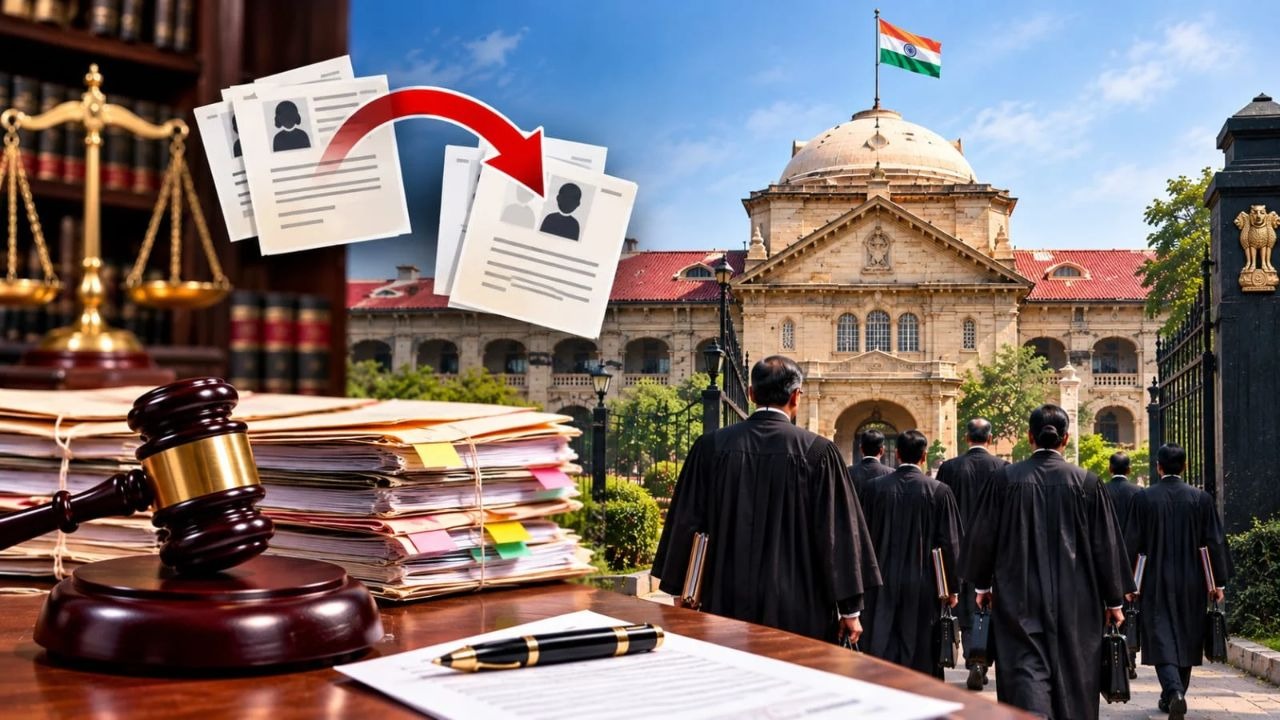
Supreme Court slams AI-generated fake judgments (Img: AI generated)
New Delhi: The Supreme Court on Thursday delivered a landmark ruling on the use of Artificial Intelligence (AI) in the judicial system, warning against the growing misuse of AI-generated legal material.
The top court set aside an order passed by the National Company Law Tribunal (NCLT) in the Essel Infraprojects insolvency case after finding that it relied on fake, non-existent and AI-generated judicial precedents. The bench held that any legal decision influenced by fabricated material cannot be sustained and stressed that the integrity of the judicial process must remain paramount.
A bench comprising Justices P.S. Narasimha and Alok Aradhe strongly criticised the use of AI-generated "hallucinated" judgments in legal proceedings. Describing the consequences as "invisible, insidious and catastrophic", the court compared the misuse of fake legal precedents to the release of methyl isocyanate, saying such material silently contaminates the justice delivery system before it is detected.
The judges observed that fake precedents strike at the very foundation of judicial determination and undermine public confidence in the legal system.
The Supreme Court ruled that advocates who cite AI-generated judgments without verifying their authenticity would be guilty of professional misconduct. It also said judges must independently verify authorities relied upon during proceedings, adding that reliance on fabricated AI-generated material amounts to a serious lapse.
The court made it clear that even if fake material has only a minor influence on a judgment, such a decision deserves to be set aside because it compromises the sanctity of adjudication.
Recognising AI's growing role in legal research, the court clarified that technology can assist but cannot replace human judgment.
It directed the Bar Council of India (BCI) to constitute a committee to develop guidelines for the responsible use of AI in legal practice and recommend disciplinary action against advocates who submit fabricated or unverified AI-generated precedents before courts. The court emphasised that human oversight must remain central to every stage of judicial decision-making.