 English
 English
New Delhi: The name Tata has long been synonymous with trust. Nearly 150 years ago, Jamsetji Tata began a business journey that has today evolved into a vast global conglomerate spanning salt, steel, automobiles, software, airlines, semiconductors and digital businesses. But the Tata Group is now approaching another major leadership transition.
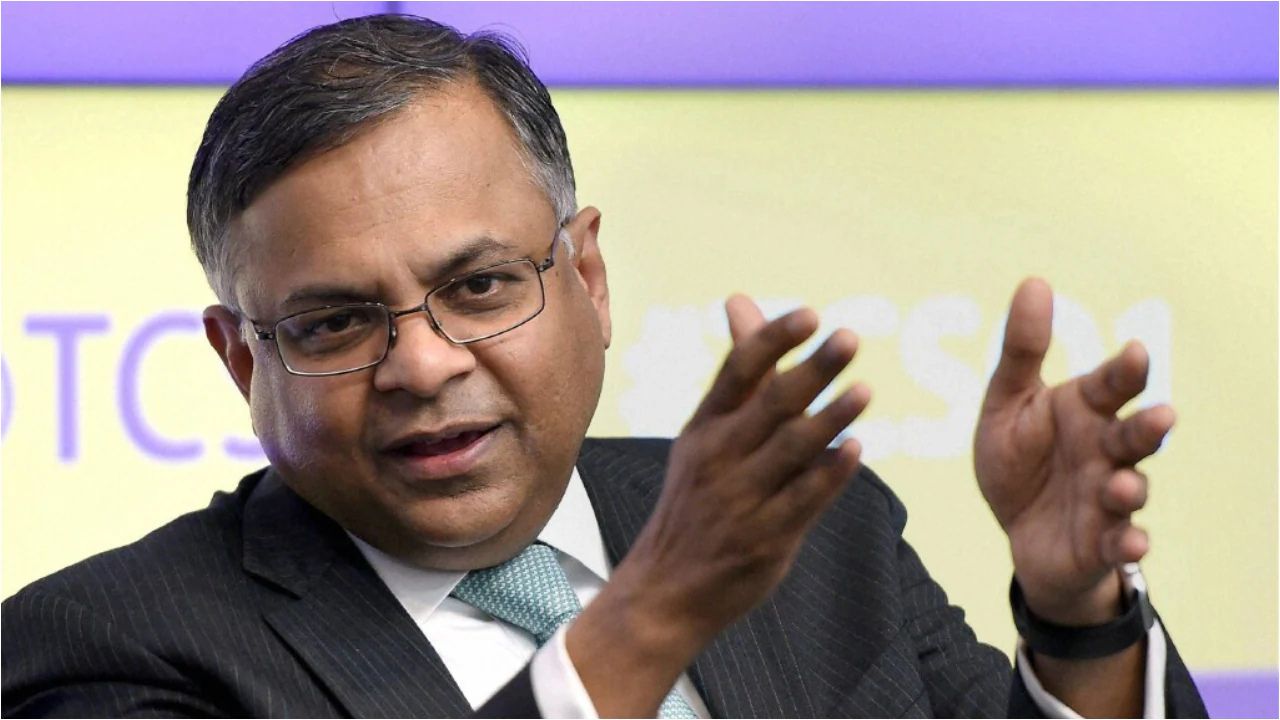
Tata Sons Chairman N. Chandrasekaran has indicated that he will not continue as chairman after the completion of his current term. His present tenure ends in February 2027. This does not mean he is stepping down immediately, but the search for his successor has already become a subject of intense interest.
The biggest question now is: Who will take charge of Tata Sons after Chandrasekaran? Will the group once again turn to an experienced professional? Could Tata Steel CEO and MD T.V. Narendran emerge as the frontrunner? Could senior executives such as Saurabh Agrawal be considered? Or could the selection committee surprise everyone with a name that is not currently in the spotlight?
This is not merely a story about a change of chairman. It could determine the direction of the Tata Group's next chapter.
Senior journalist Manoj Tibrewal Aakash, on his widely followed show The MTA Speaks, shares an analysis of the names being discussed in the race for the next Tata Sons chairman.
The Tata story began long before today's corporate landscape. In 1868, Jamsetji Tata embarked on a business journey driven by a vision that went beyond building a large company. His ambitions extended to industrialisation, education, science and social development in India.
That philosophy went on to become a defining feature of the Tata Group.
J.R.D. Tata later led the group for several decades, overseeing its expansion across industrial, technological and aviation sectors. Then came another historic transition in 1991, when Ratan Tata took charge.
Under Ratan Tata, the group transformed from a major Indian business house into a global corporate force. Acquisitions such as Tetley, Corus and Jaguar Land Rover strengthened Tata's international footprint and established the group as a significant global player.
The history of Tata therefore shows that leadership transitions have repeatedly brought new priorities and new directions for the conglomerate.
Another major transition came in 2017 when N. Chandrasekaran became chairman of Tata Sons.
His appointment was significant because he was not a member of the Tata family. Instead, he was a professional who had built his career within the group, starting with TCS, eventually becoming its CEO and MD before taking charge of Tata Sons.
Under Chandrasekaran, the Tata Group intensified its focus on technology, digital businesses and emerging industries. The acquisition of Air India marked a major return to the aviation sector, while investments and plans in semiconductors and electronics signalled the group's ambitions in new-age industries.
His tenure has therefore been closely associated with Tata's attempt to prepare itself for the next generation of businesses.
With Chandrasekaran's current tenure set to end in February 2027, the focus has now shifted to the succession process.
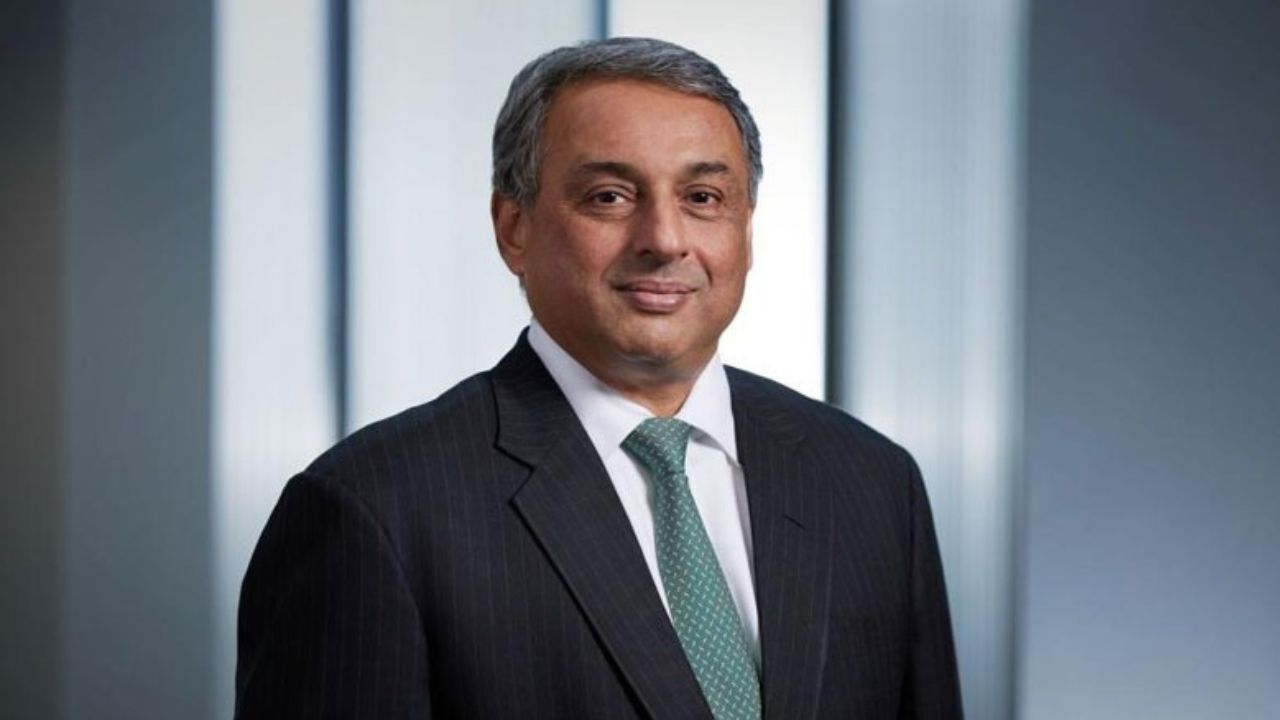
One of the most prominent names being discussed is T.V. Narendran, the CEO and MD of Tata Steel.
Narendran has spent a significant part of his career within the Tata Group and has experience managing one of its largest and most globally important businesses. His familiarity with the Tata culture, corporate structure and diverse business challenges makes him a strong potential contender.
However, one point needs to be made clear: Narendran has not been officially named as the next Tata Sons chairman.
The selection process still has to run its course. A five-member Selection Committee is expected to assess potential candidates based on their experience, leadership abilities, qualifications and vision for the future of the group.
Apart from Narendran, other senior Tata executives could also come under consideration. Saurabh Agrawal, a senior financial executive within the group, is another name that has surfaced in discussions around potential candidates.
For now, however, the final picture remains open.
Another important figure in the succession process is Noel Tata, chairman of Tata Trusts.
Tata Trusts holds a significant stake in Tata Sons, making the Trusts an important stakeholder in the selection of the next chairman. However, this does not automatically mean that Noel Tata himself is in line to become the next Tata Sons chairman.
At this stage, his importance lies more in the succession process and the role played by Tata Trusts in the group's governance.
Any conclusion about Noel Tata becoming the next chairman would therefore be premature.
Why is the choice of the next Tata Sons chairman so important?
Today's Tata Group is far more diversified than the traditional businesses most Indians associate with the name. The group now has to manage major ambitions across aviation, semiconductors, electronics, artificial intelligence, digital businesses, automobiles, steel, information technology, finance, power and hospitality.
Air India needs to be transformed into a strong global airline. Tata's semiconductor and electronics ambitions need to be scaled up. Digital and AI-led businesses will require continued investment. TCS will have to navigate the rapidly changing artificial intelligence landscape, while Tata Motors and Tata Steel will need to adapt to changing global markets.
The next chairman will therefore not simply inherit an established business empire. The person will have to shape where that empire goes over the next decade.
The Tata Group's next chairman will face a delicate balancing act. Jamsetji Tata operated in a completely different world. J.R.D. Tata led the group through another era of industrialisation and technological change. Ratan Tata expanded the group internationally, while Chandrasekaran pushed it further towards technology, digital businesses and new industries.
But the world after 2027 could be even more disruptive.
Artificial intelligence is changing how businesses operate. Electric vehicles are reshaping the automobile industry. Semiconductors have become strategically important for nations and corporations alike. Digital businesses continue to expand, while global supply chains are undergoing significant transformation.
The next Tata Sons chairman will therefore need more than administrative experience. The group will need a leader capable of identifying future opportunities, taking calculated risks, balancing multiple businesses and protecting the values that have defined Tata for generations.
This is also why a candidate such as T.V. Narendran may attract attention. However, running Tata Steel and leading Tata Sons are fundamentally different responsibilities.
The chairman of Tata Sons must think across steel, automobiles, IT, aviation, finance, power, hospitality and emerging businesses such as semiconductors and AI. The challenge is to create a coherent strategy across businesses operating in completely different sectors.
The selection committee's challenge, therefore, will not simply be to identify the most experienced executive. It will be to find someone capable of leading the group through an increasingly complex global economy.
And that is why Chandrasekaran's eventual departure is more than a routine corporate transition.
When he took charge in 2017, Tata faced one set of challenges. By the time his current tenure ends in 2027, the business environment will have changed dramatically.
So the real question is not simply who will occupy the chair after Chandrasekaran?
The bigger question is: Where will that person take the Tata Group over the next decade?
Will it be T.V. Narendran? Will another experienced professional emerge? Could a Tata family-linked figure play a larger role? Or will the selection committee choose a candidate who is barely being discussed today?
There is no definitive answer yet. But one thing is certain: the search for one of the most important leadership positions in Indian business has begun, and the decision could influence the future direction of the entire Tata Group.
Jamsetji Tata laid the foundation, J.R.D. Tata expanded the vision, Ratan Tata took it to the world and Chandrasekaran pushed the group towards technology and emerging businesses.
Now the next leader will inherit that legacy. The face at the top may change, but the central challenge will remain the same: Can the next Tata Sons chairman protect a legacy built over more than 150 years while creating the Tata Group of the future?
Because throughout Tata's long history, chairmen have changed and businesses have evolved. But one thing has remained constant trust. And the next chapter will be about who can carry that trust forward.