 English
 English

India’s regional aviation map set for expansion as 19 states join UDAN’s new phase. (Img: Pinterest)
New Delhi: India’s regional aviation network is set for a major expansion as 19 states signed agreements with the Ministry of Civil Aviation to launch the next phase of the UDAN scheme. The initiative aims to transform unused airstrips into operational airports and bring air connectivity closer to smaller cities and emerging regions.
The move has gained attention as the government focuses on expanding aviation infrastructure, increasing passenger capacity and creating a sustainable regional air travel ecosystem beyond major metropolitan cities.
The Ministry of Civil Aviation on Tuesday announced that 19 states have entered into Memorandums of Understanding (MoUs) for the next phase of the Regional Connectivity Scheme, UDAN.
Under the new challenge mode framework, existing unused and underutilised airstrips will be developed into functional airports to improve connectivity across different parts of the country.
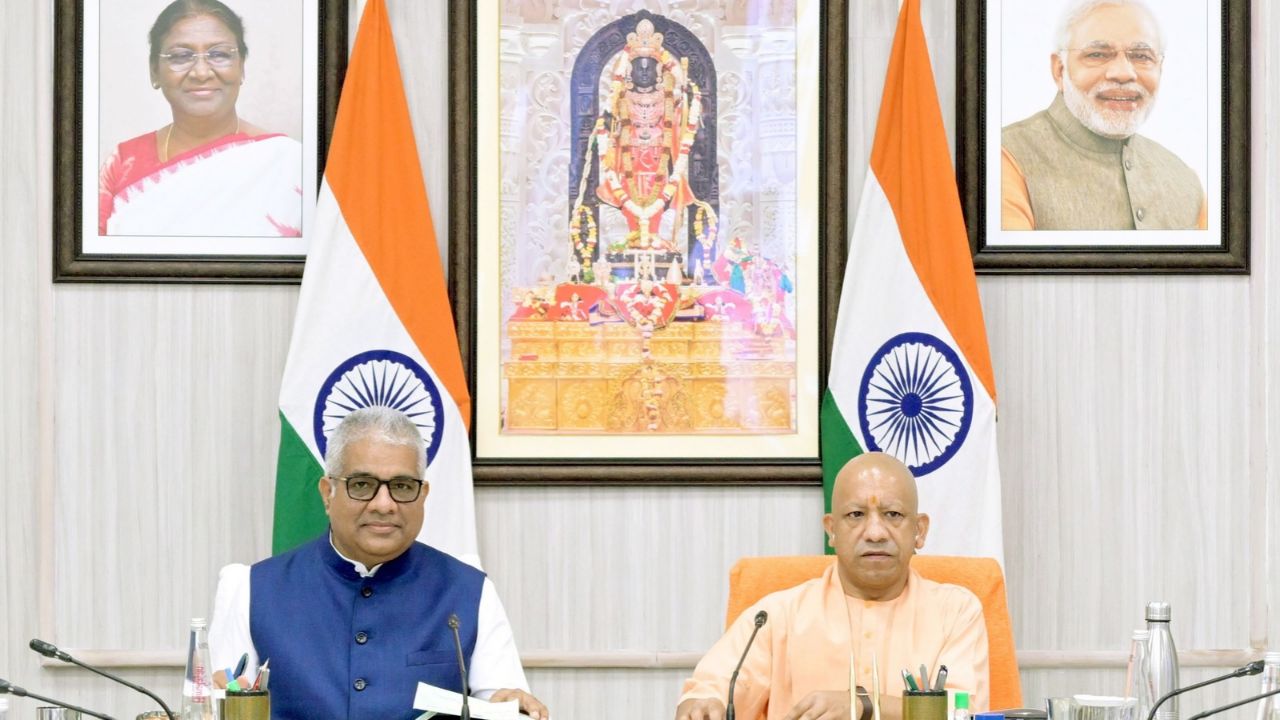
The latest phase marks a shift from simply connecting smaller cities to creating long-term aviation infrastructure that can support regular flight operations and commercial viability. Government officials and state representatives attended the MoU signing ceremony in the presence of Civil Aviation Minister Ram Mohan Naidu.
The UDAN scheme, launched to make air travel affordable and accessible for common citizens, has completed nearly a decade of expansion. Officials said the next phase is focused on improving the operational strength of regional airports by increasing passenger demand, strengthening infrastructure and encouraging airlines to participate in smaller markets.
Civil Aviation Secretary Samir Kumar Sinha said the revamped programme is based on lessons learned from the first phase of UDAN. According to the ministry, the focus will now be on converting regional aviation demand into a reliable and commercially sustainable network.
Civil Aviation Minister Ram Mohan Naidu highlighted the rapid growth of India’s aviation sector, stating that domestic airports handled around 42 crore passengers during 2025-26.
India has emerged as the world’s third-largest domestic aviation market, with the government expecting passenger numbers to rise further in the coming years.
The expansion is being driven by increasing air travel demand, airport infrastructure development, digital technology adoption and improved connectivity between smaller cities. The government expects domestic aviation capacity to continue growing as more regions gain access to air transport facilities.
A major objective of the new UDAN phase is to develop around 100 existing unused airstrips into operational airports. These locations could provide new travel options for regions that currently depend heavily on road and rail networks.
Improved air connectivity is expected to support tourism, trade, healthcare access, business movement and employment opportunities in smaller cities and remote areas. The expansion also aligns with India’s broader infrastructure development strategy aimed at connecting emerging economic centres with national aviation networks.
The revamped UDAN programme has been approved with a financial allocation of Rs 29,000 crore for the next 10 years. The scheme aims to connect 120 additional destinations, establish 200 helipads and enable air travel for around four crore passengers.
The government believes the next phase will strengthen regional aviation by creating new routes, improving airport infrastructure and encouraging private airline participation.
For many smaller towns and developing regions, air connectivity can play an important role in economic growth. New airports and improved flight networks can help boost tourism, attract investments, improve emergency medical access and create new business opportunities. The expansion of regional aviation is also expected to reduce travel time between cities that currently lack direct connectivity.
The latest UDAN expansion comes at a time when India is rapidly upgrading its aviation infrastructure. From new airports to modern terminals and regional connectivity projects, the country is preparing for a sharp increase in passenger movement over the next decade.
The challenge now remains ensuring that newly developed airports achieve regular operations and maintain financial sustainability. The Ministry of Civil Aviation and participating state governments will begin identifying suitable airstrips and developing infrastructure under the new UDAN framework.
The success of the programme will depend on airport readiness, airline participation, passenger demand and effective coordination between central and state authorities. With 19 states joining the initiative, the next phase of UDAN could reshape India’s regional aviation map by bringing more cities into the country’s air travel network.