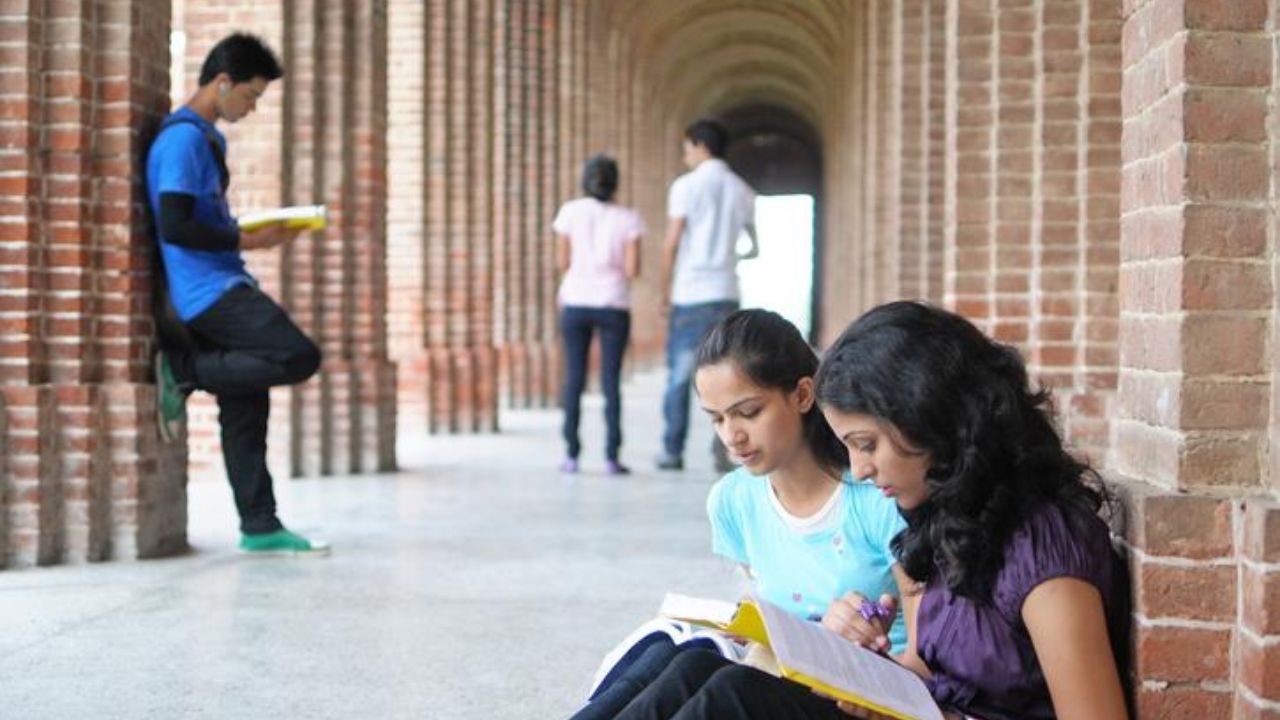
UGC’s new rules sparked nationwide protests
New Delhi: The recent University Grants Commission (UGC) guidelines have reignited debates over caste representation in Indian higher education, with critics alleging the rules disproportionately affect General category students. Questions around the social composition of colleges and universities have resurfaced, highlighting the growing presence of reserved categories in higher education.
According to the All India Survey on Higher Education (AISHE) 2020-21, students from Other Backward Classes (OBCs) make up 35.8% of total enrolments, Scheduled Castes (SCs) 14.2%, and Scheduled Tribes (STs) 5.8%. General and other categories, including upper castes and Economically Weaker Sections (EWS), constitute 44.2%.
Why UGC’s new equity regulations triggered nationwide student protests? Explained
A recent study by the Indian Institute of Management (IIM) suggests that SC, ST, and OBC students combined now form around 60.8% of higher education enrolments, while General category students account for roughly 39%, indicating a major shift over past decades.
Before nationwide surveys in the 1970s and 1980s, higher education was largely dominated by upper-caste students. The Mandal Commission recommendations, implemented in the early 1990s, introduced 27% reservation for OBCs, which gradually increased their representation.
Estimates from that period suggested General category students accounted for 50-65% of enrolments, OBCs 15-30%, SCs 10-18%, and STs 5-10%.
Currently, central government-funded institutions reserve 27% of seats for OBCs, 15% for SCs, 7.5% for STs, and 10% for EWS candidates. Elite institutions like IITs and IIMs still have higher General category representation, though overall enrolment trends reflect increasing diversity aligned with population demographics.
Parallel to this growth, reports of caste-based discrimination have risen. A UGC report (Jan 2026) noted a 118% increase in complaints under the SC/ST Act over five years, with 1,160 complaints received between 2019 and 2024. While around 90.7% of cases were resolved, pending complaints rose from 18 in 2019 to 108 in 2024.
States like Uttar Pradesh and Rajasthan report higher FIRs linked to educational institutions, while Telangana and Andhra Pradesh have dedicated monitoring cells for caste discrimination. The new UGC guidelines mandate institutions to convene an Equity Committee within 24 hours of receiving complaints and take action within 15 working days.
The Supreme Court of India heard a petition challenging the UGC's new regulations aimed at preventing caste-based discrimination in higher educational institutions. During the hearing on January 29, 2026, Chief Justice of India (CJI) Surya Kant expressed strong concern over certain provisions of the rules, especially suggestions that could deepen social divisions rather than promote equality.
The bench, comprising CJI Surya Kant and Justice J. B. Pardiwala (Justice Jomolya Bagchi as per record), examined whether the new regulations align with the constitutional guarantee of equality under Article 14.
A key moment during the hearing came when a proposal suggesting separate hostels for students of different castes was mentioned. This visibly angered the Chief Justice. He questioned the very idea, saying that such thinking was regressive and contrary to decades of social progress.
CJI Surya Kant recalled that students from all castes earlier lived together in hostels, fostering understanding and social integration. He pointed out that inter-caste marriages are increasingly common today, and policies that encourage segregation could undo 75 years of efforts toward building a casteless and inclusive society.

