 English
 English
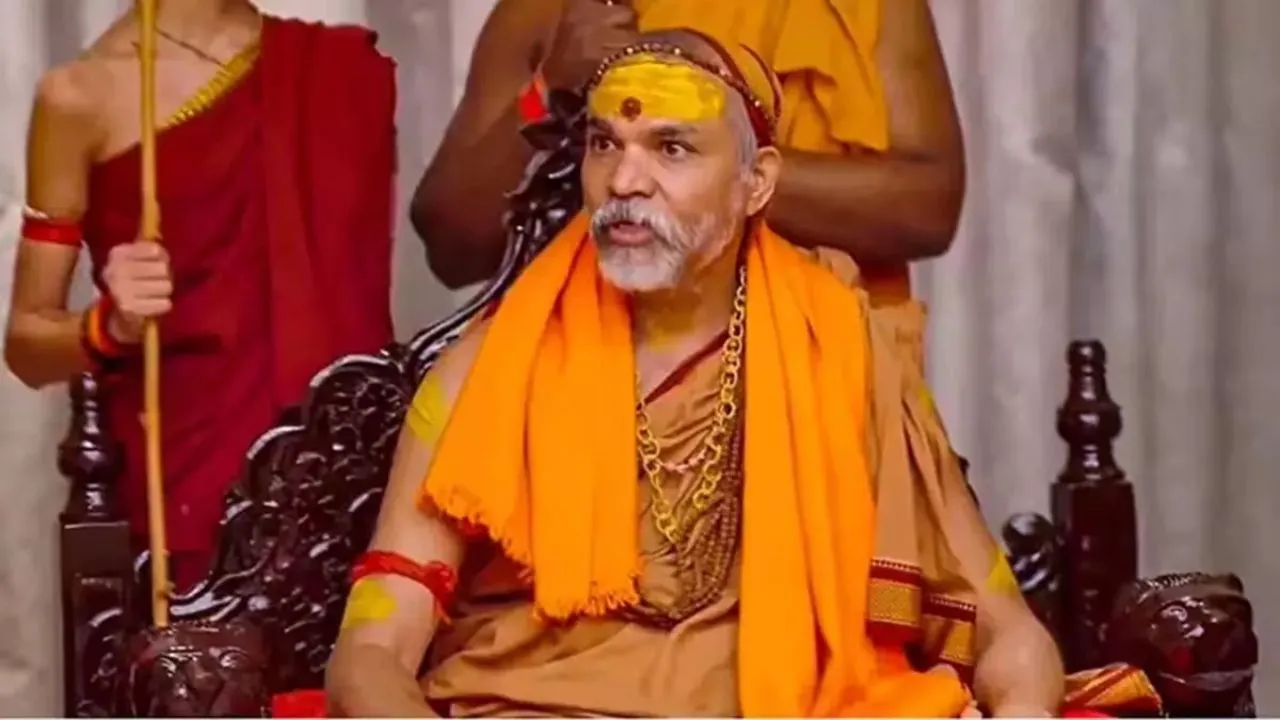
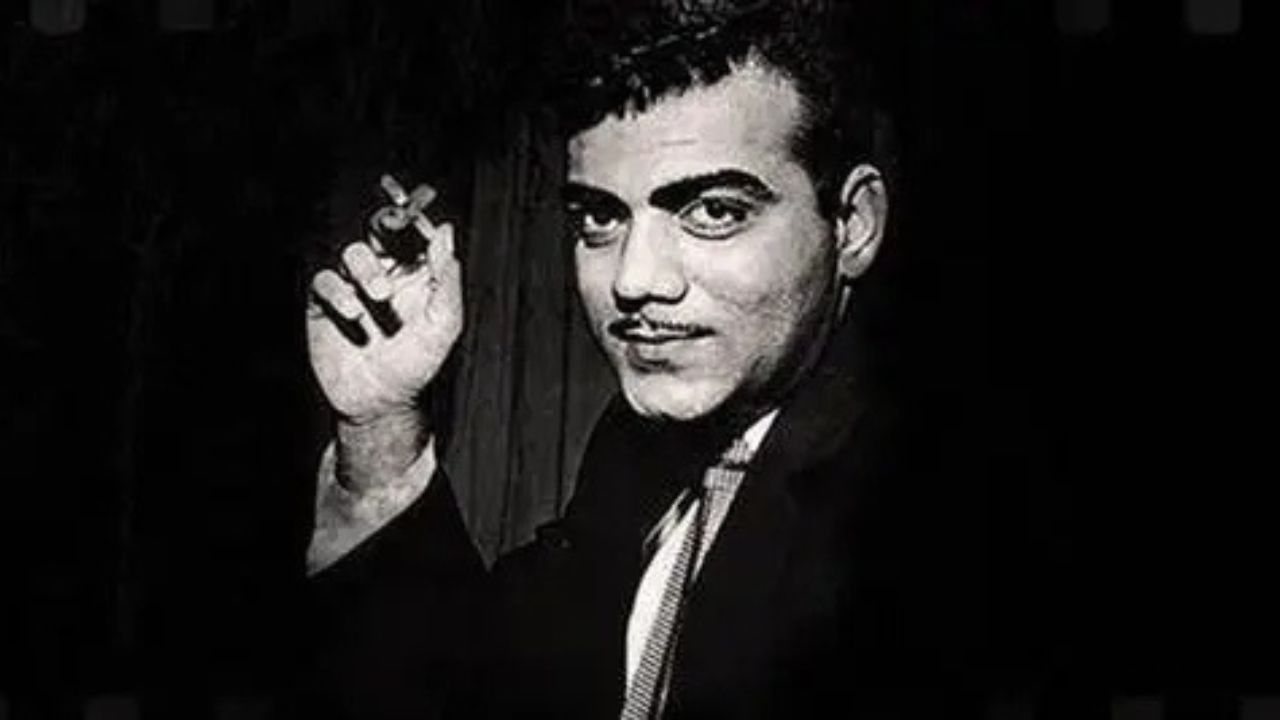
Shankaracharya Avimukteshwaranand was born as Umashankar Upadhyay on August 15, 1969
Prayagraj: Shankaracharya Avimukteshwaranand Saraswati has once again come into the national spotlight following a major controversy at the Prayagraj Magh Mela. On the day of Mauni Amavasya, he was allegedly stopped by the administration from performing the holy dip at the Sangam, triggering clashes between police and his followers.
The incident, followed by allegations, counter-allegations, and a hunger strike, has turned into a significant religious and political issue. However, this is not the first time Avimukteshwaranand Saraswati has been surrounded by controversy.
Known for his outspoken views on religious, social, and political matters, he has consistently remained a prominent and polarising figure. Here is a detailed look at his life, education, spiritual journey, and the controversies that have kept him in the news.
Shankaracharya Avimukteshwaranand Saraswati was born as Umashankar Upadhyay on August 15, 1969, in Brahmanpur village of Patti tehsil, Pratapgarh district, Uttar Pradesh, into a traditional Brahmin family. He completed his early education in Pratapgarh.
From a young age, he showed a strong inclination toward religion, philosophy, and Sanskrit. He later moved to Gujarat, where he came under the influence of Brahmachari Ram Chaitanya, a disciple of Swami Karpatri Maharaj. Under his guidance, Umashankar formally began studying Sanskrit and Hindu scriptures.
He went on to complete his Shastri and Acharya degrees from Sampurnanand Sanskrit University, Varanasi. During his student years, he was actively involved in student politics and won the student union election in 1994. His academic pursuits included in-depth study of the Vedas, Upanishads, Puranas, Vedanta, Sanskrit grammar, Ayurveda, and Jyotish (astrology).
After completing his studies, he embraced sannyasa (renunciation) in the 1990s and served Swami Karpatri Maharaj. Following Karpatri Maharaj’s demise, he came under the guidance of Swami Swaroopanand Saraswati, the then Shankaracharya of Jyotir Math, who became his spiritual mentor.
On April 15, 2003, he was formally initiated into Dand Sannyasa and was given the name Swami Avimukteshwaranand Saraswati.
After the death of Swami Swaroopanand Saraswati in September 2022, a dispute arose over succession to his two peeths. Eventually, Avimukteshwaranand Saraswati was declared the Shankaracharya of Jyotir Math (Joshimath, Uttarakhand). The succession, however, became a subject of legal challenge and reached the Supreme Court.
Since becoming Shankaracharya, Avimukteshwaranand Saraswati has been outspoken on several religious, social, and environmental matters:
Opposition to Kashi Vishwanath Corridor (2021): He criticised the demolition of old temples during the project, arguing that development should not come at the cost of religious heritage.
Gyanvapi Case and Hunger Strike (2022): After announcing plans to worship at the Gyanvapi complex, he was stopped by police. In protest, he undertook a 108-hour hunger strike, drawing nationwide attention.
Joshimath Land Subsidence PIL (2023): He filed a public interest litigation in the Supreme Court, linking the land subsidence in Joshimath to environmental mismanagement.
Ram Temple Pran Pratishtha: He declined to attend the consecration ceremony of the Ayodhya Ram Temple, stating that the temple was incomplete and questioning the timing of the event.
Magh Mela Snan Date 2026: When is the next major holy bath after Mauni Amavasya?
Avimukteshwaranand Saraswati has also courted controversy through his political remarks, including:
At the Prayagraj Magh Mela, on Mauni Amavasya, Avimukteshwaranand Saraswati arrived with nearly 200 disciples, traveling on a chariot and palanquin for the Sangam bath. The administration, citing crowd control concerns, stopped the procession and asked them to proceed on foot.
This led to protests by his followers and clashes with police. The Shankaracharya alleged that police assaulted saints, women, and children, calling it a conspiracy to harm him. He subsequently began a hunger strike, accusing the government of insulting saints and religious traditions.