 English
 English

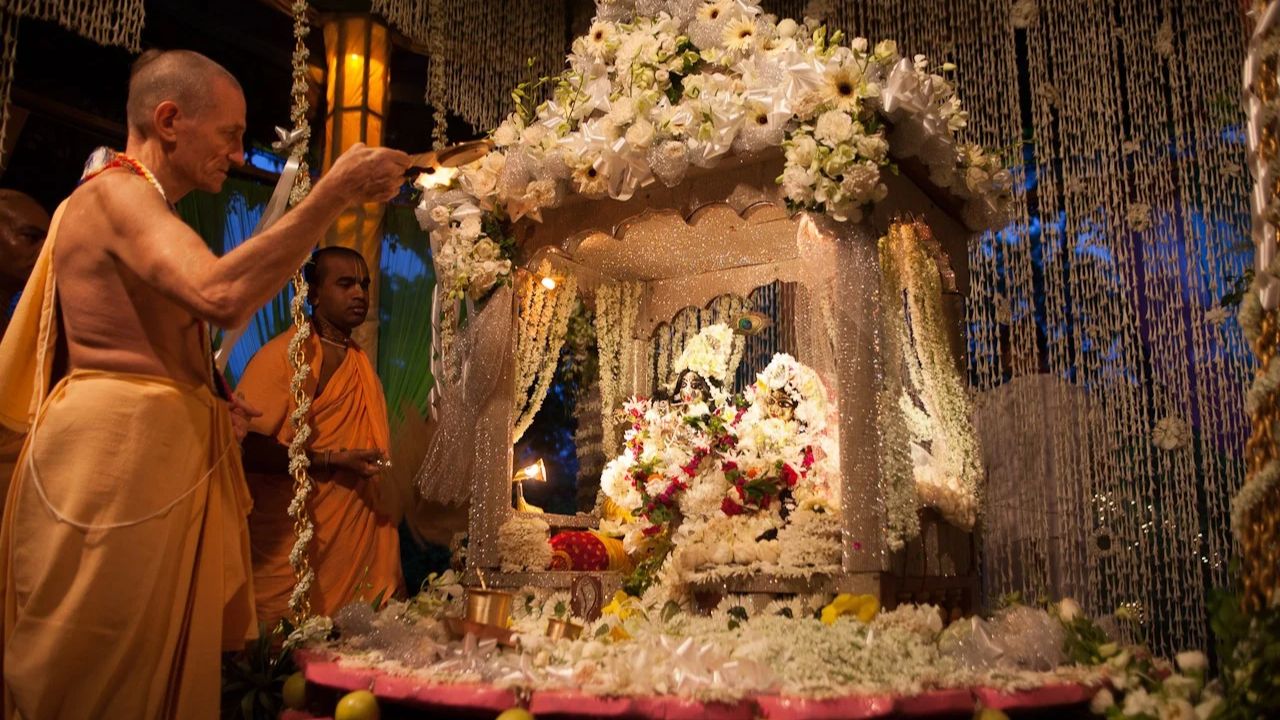
Representational Image
Varanasi: Makar Sankranti, one of the most significant Hindu festivals, will be celebrated on January 15 every year for the next 55 years, i.e., until 2080. According to astrological calculations, after that period, the festival date will shift by one day and be observed on January 16 annually.
On Makar Sankranti, the Sun, regarded as the king of planets, transits from Sagittarius to Capricorn (Makara Rashi). This year, the Sun’s transit will take place at 9:38 PM, marking the end of Kharmas and the beginning of auspicious activities.
This time, Makar Sankranti will be celebrated on a Thursday, under Vriddhi Yoga, Shukla Paksha Dwadashi Tithi, and Jyeshtha Nakshatra. According to religious scriptures, the period of Uttarayana is considered the day of the gods, while Dakshinayana is regarded as their night. Renowned astrologer Acharya Daivagya Krishna Shastri states that on Makar Sankranti, even an ordinary river attains the sanctity of the holy Ganga.
Why Does the Date Change Every 72 Years?
Astrologers explain that the Sun’s transit is delayed by approximately 20 minutes each year. Over time, this delay accumulates—becoming one hour in three years and 24 hours in 72 years. Since the Sun and Moon are direct-moving celestial bodies and do not retrograde, this accumulated delay causes the festival date to shift by one full day.
Based on this calculation, 72 years were completed in 2008. However, for the following six years, as the Sun’s transit occurred in the morning, Makar Sankranti continued to be celebrated on January 15. Earlier, when the transit took place in the evening, the festival date was observed differently.