English
 English

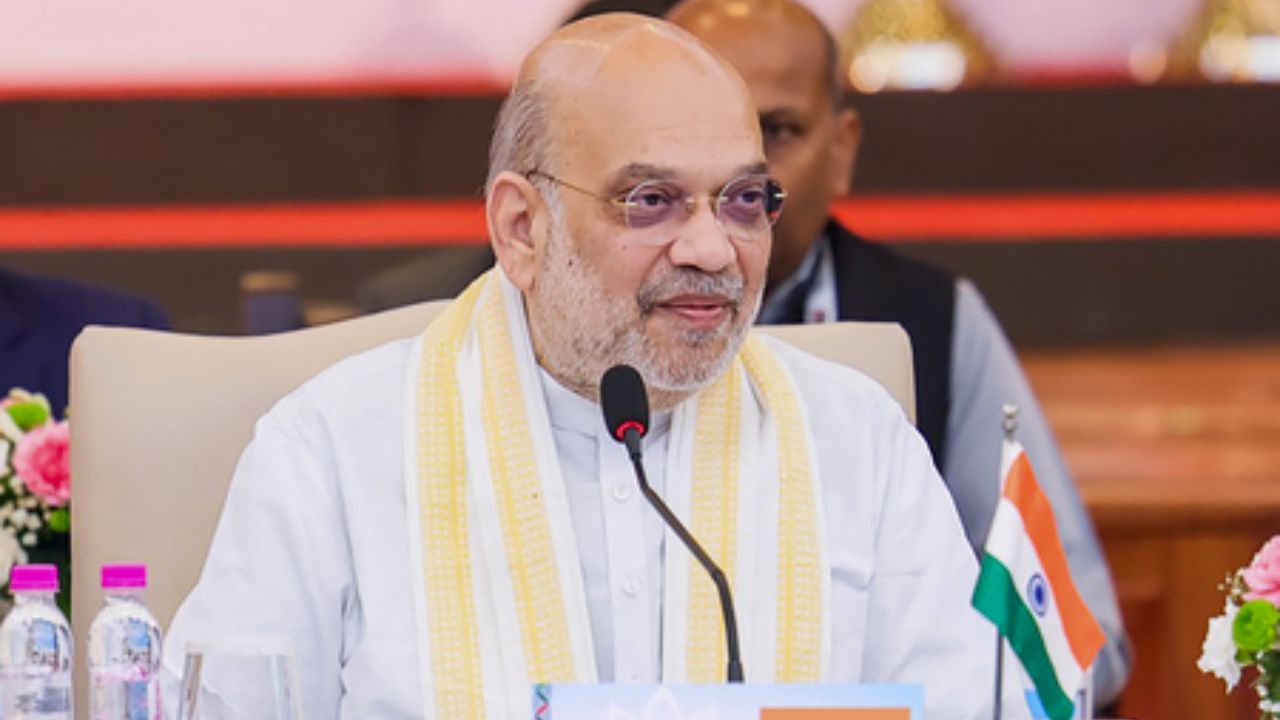
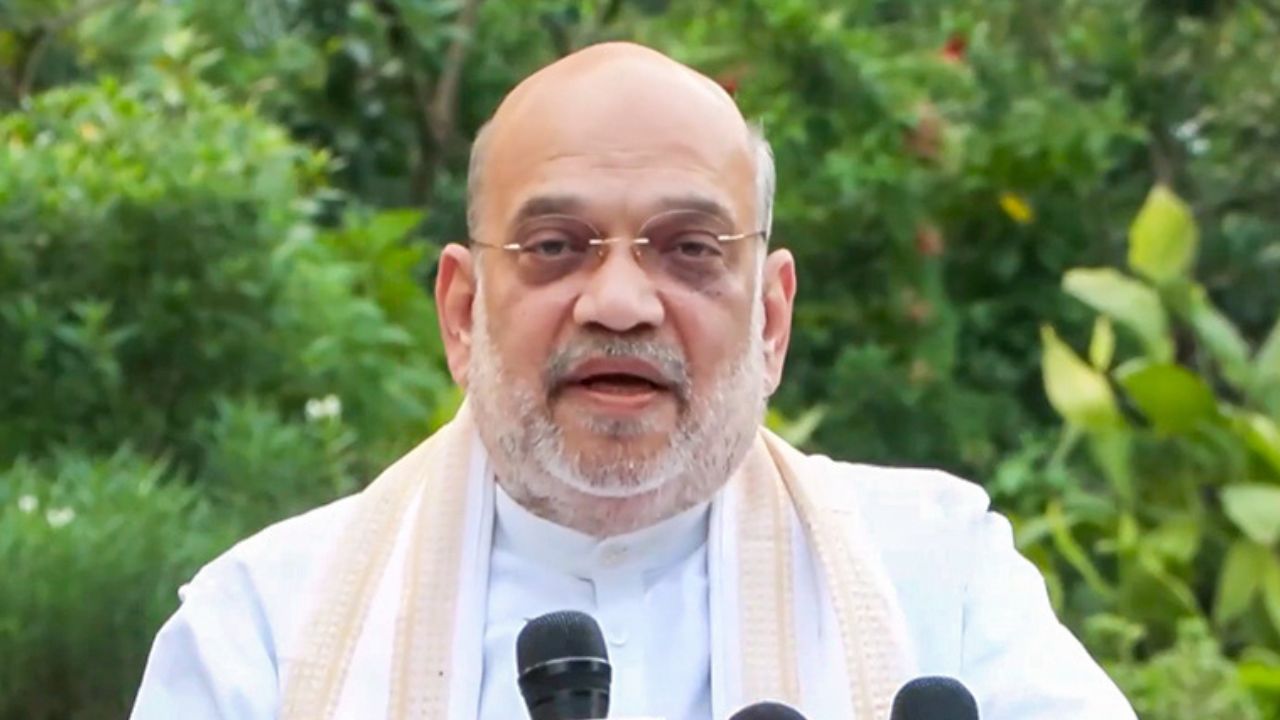
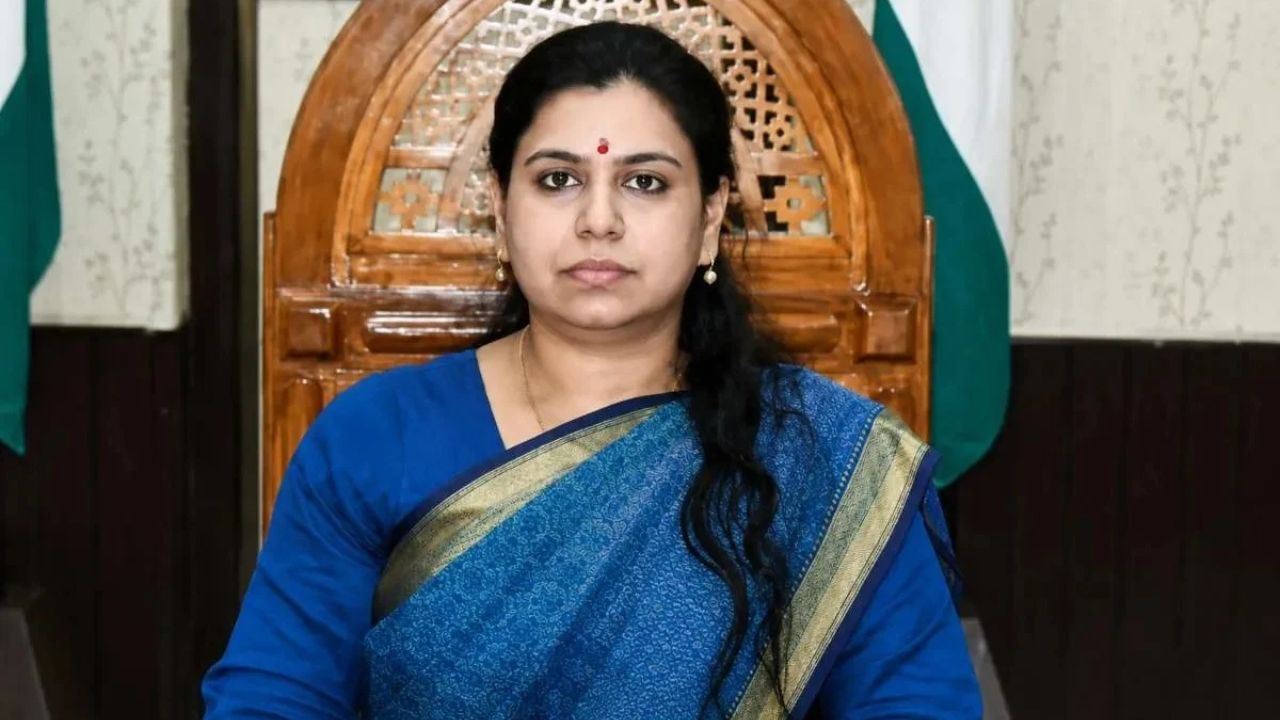
Amit Shah has hailed ABVP’s performance in Odisha’s student union elections, describing the results as a rebuke to forces he characterises as anti-national. (Img: Pinterest)
Bhubaneswar: The Akhil Bharatiya Vidyarthi Parishad (ABVP) has emerged as a major force in Odisha’s student union elections, prompting Union Home Minister Amit Shah to describe the organisation’s performance as a stern response to forces he characterised as anti-national. Congratulating ABVP workers, Shah said the results reflected the growing alignment of young voters with a nation-first ideology rather than groups he accused of spreading falsehoods, confusion and chaos.
The student union elections, held on October 15, marked the return of campus-level electoral contests in Odisha after an eight-year gap. The results have renewed political competition among student organisations backed by the BJP, Biju Janata Dal (BJD) and Congress, with the contest also drawing attention to student participation, allegations of electoral irregularities and the battle to connect with Gen Z voters.
In his post on X, Shah congratulated ABVP Odisha workers on what he described as a resounding victory in the Odisha Student Parliament elections. Referring to the organisation’s performances at Panjab University and Delhi University, he said its latest results across Odisha’s universities carried a wider message about the ideological preferences of the country’s youth. He characterised the outcome as a rebuke to forces he described as anti-national.
The Home Minister’s response has given the campus results a broader political dimension, with the performance being presented by the BJP and ABVP as evidence of support for their nation-first outlook.
ABVP emerged as one of the leading organisations in the Odisha student union elections. The organisation claimed victories in eight of the state’s 13 universities, while several media reports recorded its wins in seven universities. The differing tallies reflect competing accounts of the outcome, and the eight-university figure should be understood as ABVP’s claim rather than an uncontested final count.
ABVP state secretary Diptimayee Pratihari said the organisation secured eight university-level president posts, eight vice-president posts, 10 secretary posts and 11 assistant general secretary posts. She also claimed that ABVP performed strongly at Utkal University and secured most positions at Ravenshaw University. She alleged that rival groups had used money and muscle power in some contests, a charge that formed part of the competing claims surrounding the elections.
The organisation also said it had secured victories in more than 100 colleges and universities across Odisha. In figures shared for elections across 346 colleges, ABVP reported winning 208 president posts, 214 vice-president posts, 221 general secretary posts and 199 assistant general secretary posts.
ABVP maintained that students had backed its emphasis on student welfare and the interests of the state. It also portrayed the results as a rejection of what it described as divisive opposition politics.
At Utkal University in Bhubaneswar, one of Odisha’s oldest and most prominent institutions, ABVP won seven of the nine student union positions, including president and general secretary, according to published reports. The Congress-affiliated National Students’ Union of India (NSUI) secured the vice-president and joint general secretary posts.
Although ABVP emerged as a leading contender, the results were not uniform across Odisha’s campuses. The Biju Chhatra Janata Dal (BCJD), the student wing of the Biju Janata Dal, claimed victories in four universities and said its candidates had secured approximately 55–60 per cent of student union positions across the state.
BCJD president Ipsita Sahoo highlighted the organisation’s performance at Rama Devi Women’s University and Ravenshaw University, along with results in several districts. She alleged that the BJP government had attempted to influence the elections and accused it of using unfair means to benefit ABVP-backed candidates.
The BJD leadership also maintained that its student representatives had prevailed despite pressure from the ruling establishment. These allegations were contested by the BJP and its student affiliate, which attributed ABVP’s performance to student support.
NSUI state president Bibhuti Bhusan Mohapatra said the Congress-affiliated organisation had won president posts in 30 colleges and finished in second place at another 80 institutions. He described the results as a foundation for expanding the organisation’s presence in future campus elections.
The competing claims underline the varied nature of the results. While ABVP reported substantial gains across the state, BCJD and NSUI also pointed to institutions where their candidates secured key positions.
Odisha’s campus elections had been suspended for years, with regular student union polls last held in 2017. The following year’s elections were disrupted by Cyclone Titli, while polls were not held in 2019 amid campus violence. The COVID-19 pandemic further prolonged the suspension.
The latest elections were conducted across 346 colleges and 13 universities. According to figures released by the state’s higher education authorities, 6,891 candidates contested the polls and 1,398 candidates were elected. Of those elected, 756 won unopposed, while 642 secured victory through contested elections.
The electoral exercise, however, was accompanied by controversy. Clashes were reported at several colleges and universities, while rival student groups raised allegations of unfair practices and political interference. BCJD alleged that elections had been cancelled in some colleges where its candidates were well placed to win. Opposition leaders also accused the ruling BJP of using its influence to tilt the contest in ABVP’s favour.
Voter participation emerged as another concern. Reports indicated that turnout at Berhampur University fell below 10 per cent, raising questions about student engagement despite campaigning and mobilisation efforts by competing organisations.
Odisha Chief Minister Mohan Charan Majhi welcomed the return of student union elections and credited his government with restoring democratic participation on campuses. He accused the previous BJD administration of keeping the polls suspended for political reasons and denying students the opportunity to elect their representatives.
Majhi also interpreted ABVP’s performance as a sign of young voters’ confidence in Prime Minister Narendra Modi’s leadership. He expressed hope that the newly elected representatives would respect the views of all students, strengthen democratic values and help maintain a healthy academic environment.
BJD president and Leader of the Opposition Naveen Patnaik, however, accused the BJP government of attempting to secure victories through unfair means. He congratulated BJD and BCJD workers for contesting the elections and urged students to work towards maintaining a constructive academic environment and improving their institutions.
Deputy Chief Minister Pravati Parida countered the criticism, arguing that the previous BJD government had avoided student elections for eight years because it feared losing young voters’ support. Former Union Education Minister Dharmendra Pradhan said electoral victories and defeats were part of public life and urged elected student leaders to develop into responsible individuals while protecting the academic atmosphere on their campuses.
ABVP national general secretary Virendra Singh Solanki also attributed the organisation’s performance in Odisha and other university elections to student confidence in democratic participation and its nation-first outlook.
The outcome carries significance beyond the immediate contest for student union positions. Political parties view campus elections as an opportunity to strengthen their engagement with Gen Z voters ahead of next year’s panchayat and urban local body elections. Student organisations can also serve as recruitment and leadership pipelines for larger political parties, making university contests an important arena for building grassroots networks.
The elections have an institutional dimension as well. The Odisha Universities (Amendment) Act, which came into force in April 2025, provides for the president and secretary of a university students’ union to become members of its Senate. This provision gives elected student representatives a formal role in university governance and increases the significance of campus-level electoral outcomes.
With ABVP claiming major gains, BCJD reporting substantial support and NSUI identifying opportunities for further expansion, Odisha’s student politics has entered a renewed phase of competition. Shah’s response has elevated ABVP’s performance into a wider ideological debate, while allegations of electoral interference and concerns over low turnout remain central to discussions about the fairness and reach of the campus polls.