English
 English

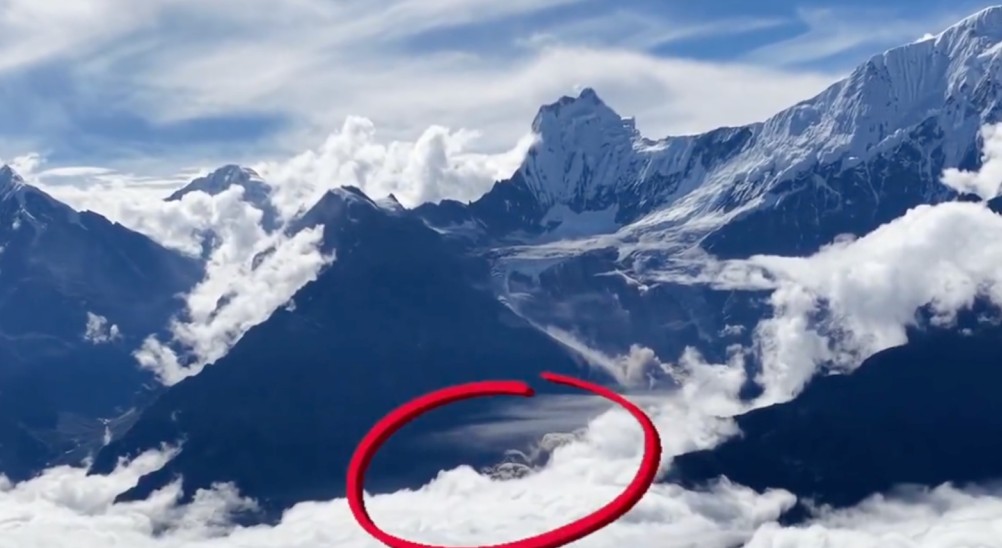
Antarctica’s Doomsday Glacier is melting faster than scientists previously predicted (Img: Pinterest)
New Delhi: Antarctica’s Thwaites Glacier, widely known as the “Doomsday Glacier”, may pose a greater threat to global coastlines than previously estimated. Two new studies suggest that the massive West Antarctic glacier is losing ice in ways that existing climate models may not fully capture, raising concerns about future sea-level rise.
The Florida sized glacier currently accounts for around 4% of global sea-level rise. Its complete collapse could raise sea levels by approximately 65 centimetres, while the wider West Antarctic ice sheet could eventually contribute around three metres if destabilised.
Also Read: Government Backs AI Drug Innovation With Rs 86 Crore Funding for Peptris’ VIGOR Project
Researchers led by the British Antarctic Survey (BAS) examined how Thwaites and neighbouring Pine Island Glacier might respond if ocean-driven melting beneath them stopped.
Published in Geophysical Research Letters, the study found that Pine Island Glacier began recovering under the modelled conditions. Thwaites, however, continued losing ice, although the rate slowed as the glacier became thinner.
The models indicated that Thwaites could continue retreating for at least 150 years, even under an extreme hypothetical scenario involving colder ocean conditions.
Lead author Rosie Williams said the findings suggest that simply cooling the ocean would not be enough to reverse the glacier’s ongoing ice loss.
A separate study by researchers from the University of California, Irvine, and NASA’s Jet Propulsion Laboratory examined the glacier’s grounding zone, where ice meets the seabed.
Published in Nature Communications, the research used satellite observations to account for tidal movements that allow seawater to travel beneath the ice. This process is not fully represented in many existing models.
The researchers estimated that Thwaites could contribute up to 1.2 inches or approximately three centimetres, to sea-level rise by 2100—nearly twice some earlier estimates, even without additional warming.
Also Read: Road to Runway: Tesla Flying Car or a Futuristic Experiment?
The study also estimated a 60% chance that the glacier could detach from the underwater Mouginot Ridge by the end of the century, potentially accelerating its retreat.
Scientists caution that important uncertainties remain about how the glacier will respond. Researchers plan to deploy instruments at Thwaites in 2028 to collect direct measurements.
Although the precise scale and timing of future ice loss remain uncertain, scientists warn that rising seas are likely to continue. Cutting greenhouse gas emissions remains essential to limiting the long-term damage to coastal communities worldwide.