English
 English

India challenges UN report, demands evidence for allegations (Img: Dynamite News)
New Delhi: India has rejected a report by UN Special Rapporteur Gina Romero, disputing its claims that young people face retaliation or stigma for speaking about mental health and gender justice. New Delhi accused the report of relying on anonymous, unverified submissions and said such reporting undermines the credibility of the United Nations and its institutions.
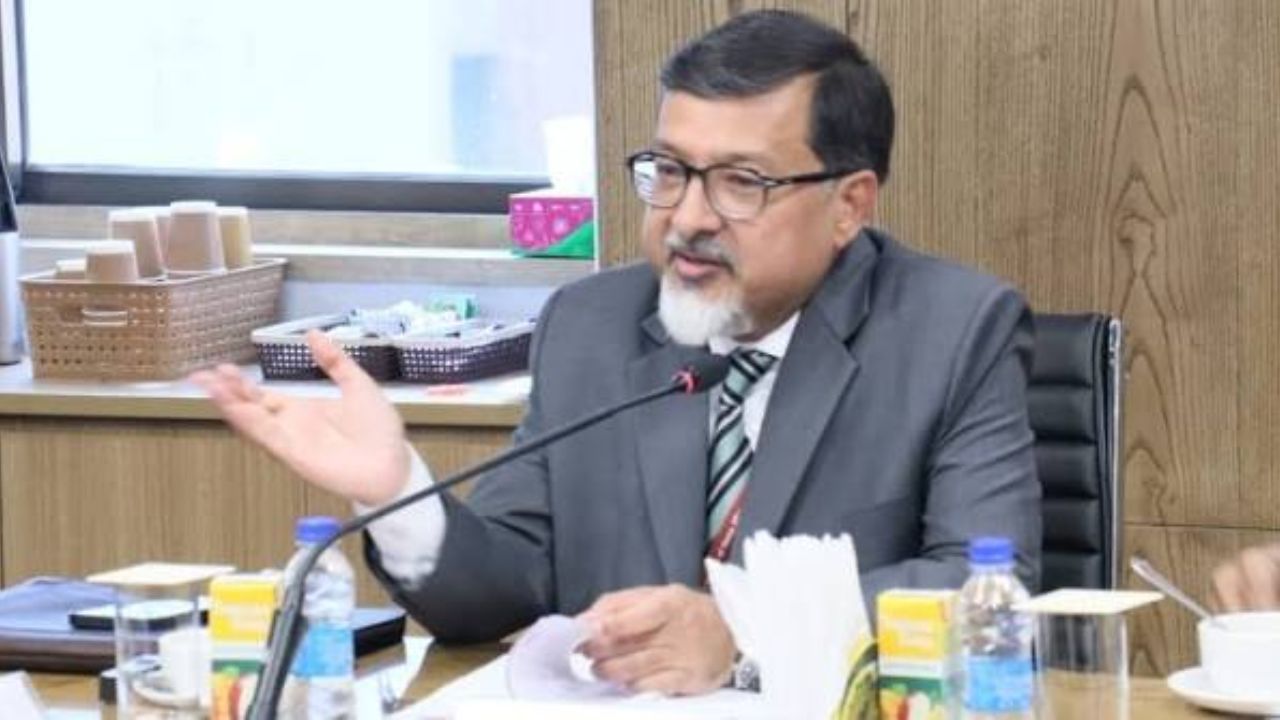
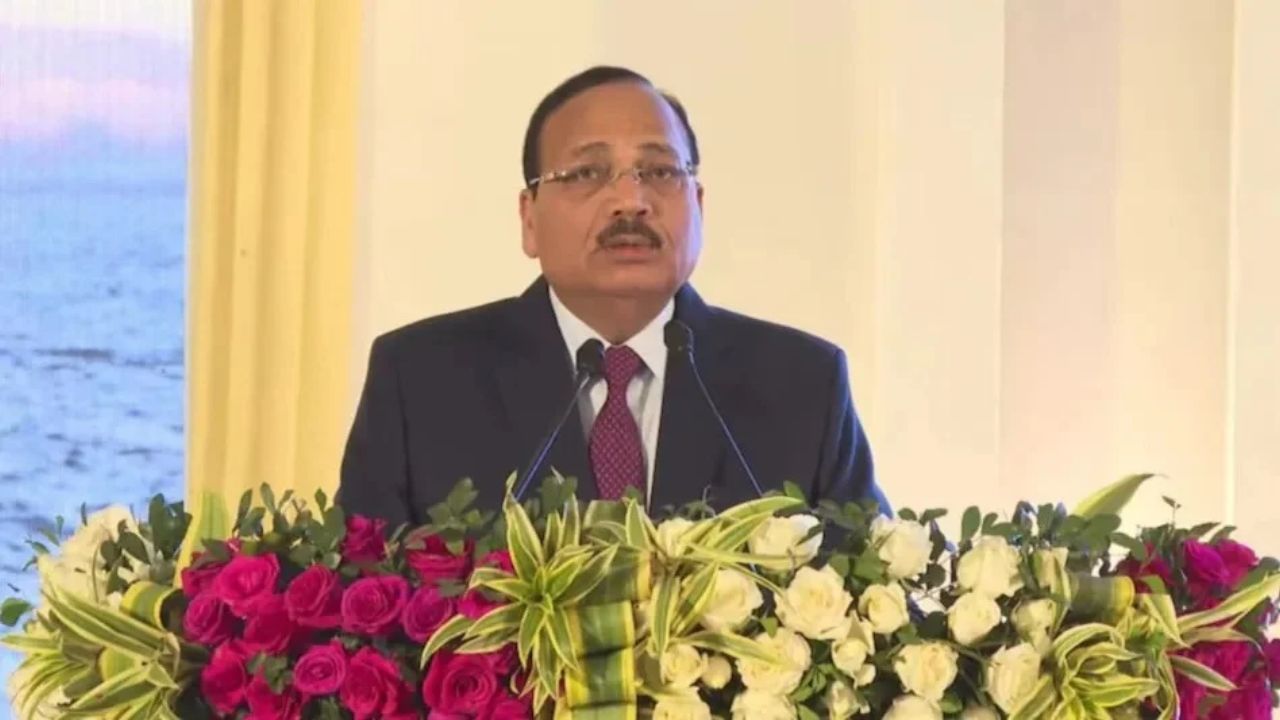
India’s First Secretary Anuj Swarup delivered the rebuttal during an interactive dialogue with Romero at the 81st session of the United Nations General Assembly (UNGA) Third Committee. Romero oversees the mandate on the rights to freedom of peaceful assembly and association.
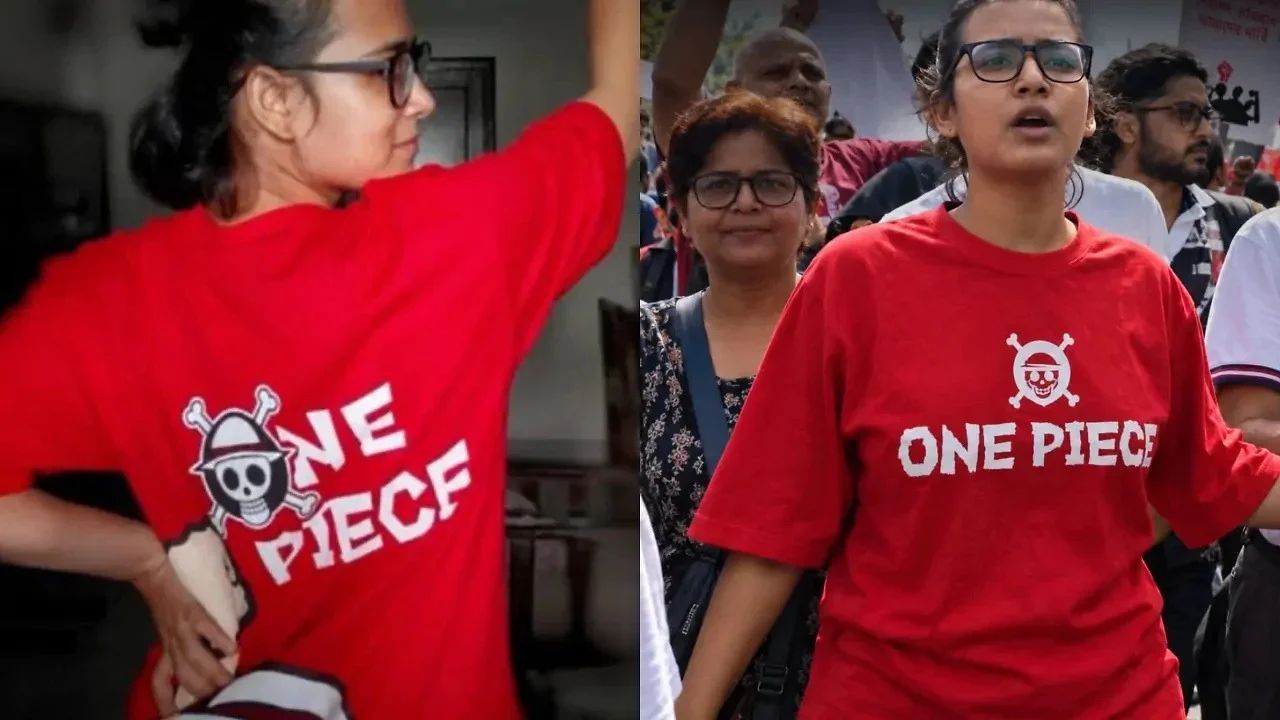
The response comes amid youth-led protests in India against Chief Election Commissioner Gyanesh Kumar.
Swarup questioned the evidence supporting the report, arguing that it had made broad claims about India’s young population without providing verifiable information.
“A sweeping charge against the world's largest youth population resting on anonymous and unverified claims is not evidence. It is hearsay, dressed up as a UN report, and my delegation rejects it outright,” he said.
He also challenged the report’s assertion that young Indians faced retaliation or stigmatisation for discussing mental health and gender justice, pointing out that the claims relied on unnamed submissions cited in a footnote.
“This level of arbitrary report writing is precisely the reason that the United Nations and its institutions have lost credibility,” Swarup said.
#IndiaAtUN
Anuj Swarup, First Secretary, delivered 🇮🇳’s statement at the 81st Session of the UNGA Third Committee in the Interactive Dialogue with the Special Rapporteur on the rights to freedom of peaceful assembly and of association, highlighting the following:
➡️ 🇮🇳’s constitution guarantees freedom of assembly, association, speech and expression to every citizen which are protected by an independent judiciary, a free press and an empowered National Human Rights Commission.
➡️ Youth engagement by the Government and swift actions taken against individuals engaged in exam fraud and systemic overhaul of competitive examinations.
➡️ Viksit Bharat Young Leaders Dialogue in which over five million young people shaped national priorities directly with the Prime Minister and continued direct engagement with youth.
@PMOIndia @MEAIndia @IndianDiplomacy @PIB_India @airnewsalerts @DDNewslive @EduMinOfIndia @YASMinistry
— India at UN, NY (@IndiaUNNewYork) October 16, 2026
He maintained that India’s Constitution guarantees freedom of speech, peaceful assembly and association under Article 19. These rights, he said, are safeguarded by an independent judiciary, a free press and the National Human Rights Commission.
Countering the report’s assessment of civic space for young people, Swarup cited the emergence of the satirical Cockroach Janta Party (CJP), whose members took part in protests and later held discussions with senior national leaders.
Also Read: AAIB Calls for DGCA Checks on Pilot Training Records After Learjet Crash
He questioned how such political expression and engagement could occur in a repressive environment, referring to talks between Union ministers and a CJP delegation following the July protests.
Swarup also invoked remarks made by UN High Commissioner for Human Rights Volker Turk at the Human Rights Council last month. According to the Indian diplomat, Turk had highlighted dialogue with young leaders as a more effective way to respond to youth-led movements in India.
The diplomat further pointed to the government’s engagement with students protesting irregularities in public examinations. He said authorities had taken steps to address examination fraud.
Highlighting the role of young people in national development, Swarup cited the Viksit Bharat Young Leaders Dialogue, which brought together more than five million young people to discuss national priorities.
He urged Romero to exercise greater caution and fairness when preparing reports, arguing that allegations concerning a population of 1.4 billion people demanded rigorous verification.
“A mandate holder who relies on anonymous inputs to generalise for 1.4 billion people does a disservice to the very mandate she holds,” he said, urging the rapporteur to “verify before she vilifies”.
Romero is a Colombian human rights advocate who serves as the UN Special Rapporteur on the rights to freedom of peaceful assembly and of association.