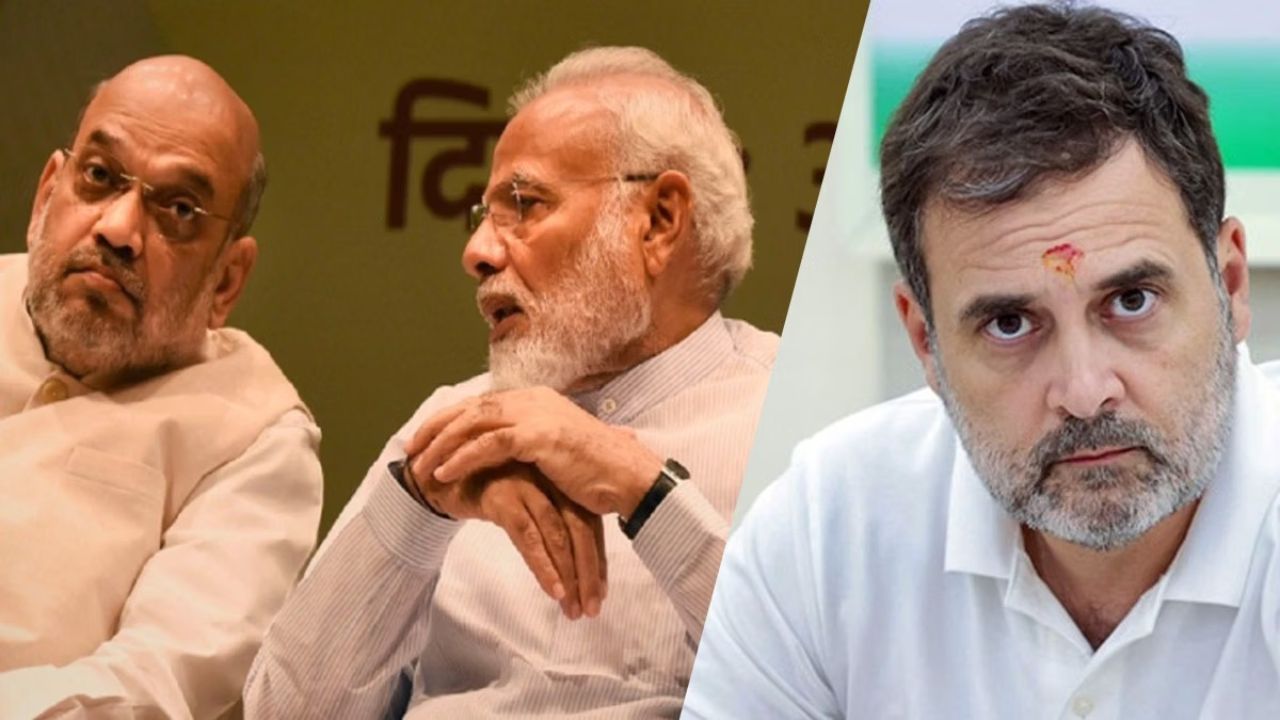
Rahul Gandhi submits note of dissent over CIC, CVC picks
New Delhi: Congress leader and Lok Sabha Leader of Opposition, Rahul Gandhi, on Wednesday formally submitted a note of dissent during a high-level meeting with Prime Minister Narendra Modi and Union Home Minister Amit Shah.
The meeting, which lasted nearly an hour and a half, was held to finalise appointments to key transparency institutions, including the Central Information Commission (CIC) and the Central Vigilance Commission (CVC).
Sources indicated that Gandhi objected to the names proposed by the government and submitted his written disagreement as part of his statutory role in the selection committees.
As Leader of the Opposition in the Lok Sabha, Rahul Gandhi is a statutory member of the committees tasked with appointing heads of these oversight bodies. Sources said he has consistently raised concerns about government efforts that could undermine the autonomy of institutions meant to ensure transparency and accountability.
Gandhi’s dissent during Wednesday’s meeting is viewed as a continuation of these long-standing objections. By formally recording his disagreement, he reinforced his stance that independent institutions like the CIC and CVC should remain free from political influence.
Earlier on Wednesday, Gandhi intensified his criticism of the BJP government on another front, accusing it of politicising the Election Commission (EC). Posting a clip of his Lok Sabha speech on X, he questioned recent amendments to election laws.
He highlighted three major concerns:
The removal of the Chief Justice of India from the EC selection panel.
Granting near-total legal immunity to the EC ahead of the 2024 polls.
The decision to destroy CCTV footage within 45 days.
Gandhi asserted that these changes signal an attempt to turn the Election Commission into a “tool for vote chori” or vote theft, raising alarms about the integrity of the upcoming elections.
Rahul Gandhi’s dissent and vocal criticism of the government reflect ongoing tensions over the autonomy of India’s key democratic institutions. Experts say these developments could intensify debates in Parliament and among civil society regarding the safeguarding of transparency and accountability in public offices.
With the appointments to CIC and CVC imminent and election preparations underway, Gandhi’s actions underscore the opposition’s insistence on preserving institutional independence and maintaining scrutiny over government decisions.

