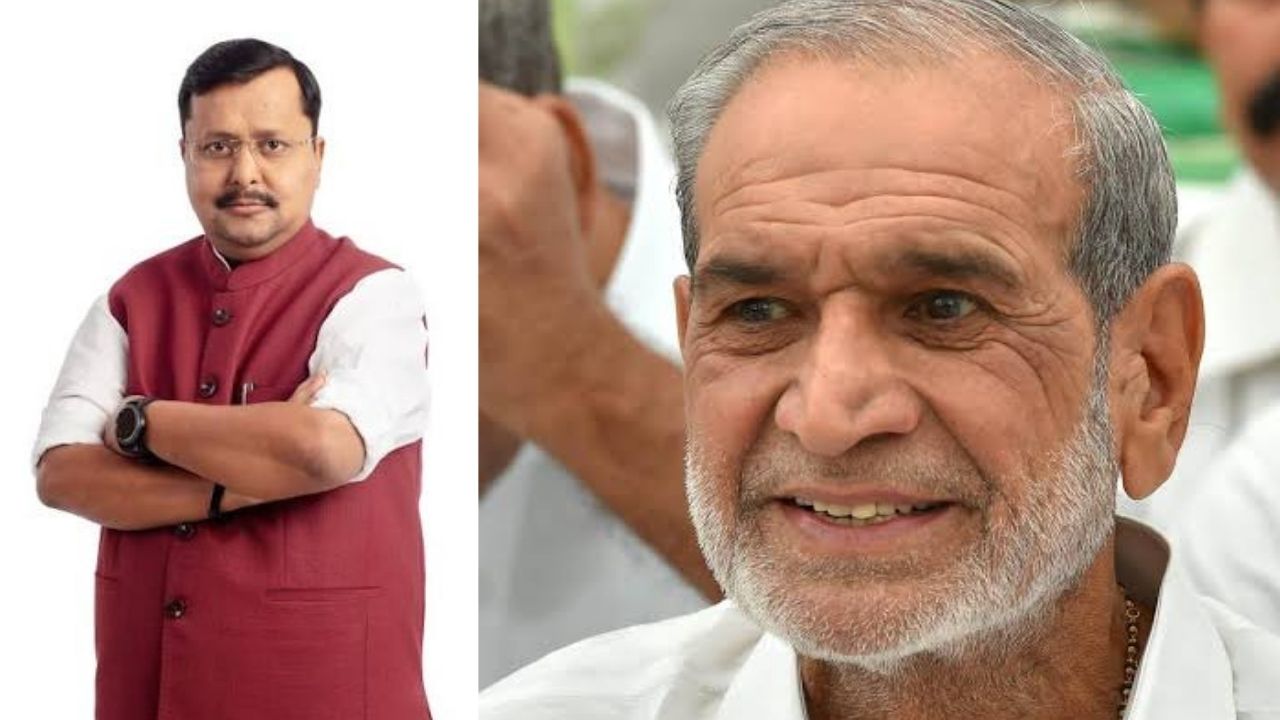
BJP Faces Political Heat After MPs’ Gesture Sparks 1984 Riots Debate
New Delhi: A condolence visit has turned into a major political flashpoint, putting three BJP MPs at the centre of a controversy linked to one of the most sensitive chapters in India’s political history.
BJP president Nitin Nabin reportedly summoned Delhi MPs Kamlajeet Sehrawat, Ramvir Singh Bidhuri and Yogender Chandolia after they visited the residence of former Congress leader Sajjan Kumar following his death.
The move triggered political discussions within the BJP as Sajjan Kumar’s name remains closely associated with the 1984 anti-Sikh riots cases. The former Congress leader died on August 20 while serving two concurrent life sentences for his conviction in cases related to the killings during the riots.
The controversy has created a political dilemma for the BJP, which has for years built a strong narrative around justice for Sikh riot victims and accused previous Congress governments of delaying accountability.
The visit by the three MPs was described as a personal gesture, but it quickly entered the political spotlight due to Sajjan Kumar’s controversial legacy.
The BJP leadership reportedly viewed the visit as inconsistent with the party’s long-standing position on the 1984 riots issue. Party sources indicated that the leadership wanted clarity from the MPs over their decision. The episode highlights the challenge political parties face when personal relationships, social customs and ideological positioning collide.
Sajjan Kumar was one of the prominent political figures whose name emerged during investigations into the 1984 anti-Sikh riots. The violence erupted after the assassination of former Prime Minister Indira Gandhi and led to widespread killings of Sikhs in several parts of Delhi and other regions.
After years of legal proceedings and demands for justice from victims’ families, Sajjan Kumar was convicted in riot-related cases and sentenced to life imprisonment.
The issue has remained a major political talking point, particularly in Punjab, where memories of the violence continue to influence public sentiment and electoral conversations.
The controversy comes at a time when the BJP has consistently highlighted the issue of justice for victims of the 1984 violence. After coming to power at the Centre in 2014, the BJP-led government formed a Special Investigation Team in 2015 to examine cases related to the riots.
The party has often accused the previous Congress governments of failing to ensure justice for victims and has positioned itself as a supporter of accountability in the matter.
The latest controversy has therefore created an uncomfortable political situation for the party, as questions emerge over whether individual actions align with its broader political messaging.
Following the controversy, BJP leaders moved to clarify that the MPs’ visit was not an official party programme. BJP spokespersons maintained that the lawmakers had attended the condolence gathering in their personal capacity and that the visit did not represent any change in the party’s position on the 1984 riots issue.
However, the controversy continued to attract political reactions, with opponents questioning the decision of the MPs to visit Sajjan Kumar’s residence. The issue has turned into a battle of political narratives, with rival parties attempting to use the episode to challenge the BJP’s credibility on the matter.
The timing of the controversy has increased its political significance. Punjab remains a crucial political battleground where issues related to Sikh identity, justice and historical grievances continue to influence public opinion.
The BJP, which is working to expand its political footprint in Punjab, faces the challenge of balancing organisational discipline with the sensitivities surrounding the 1984 riots issue.
Political observers believe that controversies involving emotionally charged historical events can have a significant impact on voter perception, especially in regions where such issues remain deeply connected with public memory.
The visit drew criticism from leaders associated with the legal battle for 1984 riot victims. Some leaders argued that public sympathy should remain focused on survivors and families who suffered during the violence rather than those convicted in the cases.
Opposition leaders also targeted the BJP, alleging that the incident exposed contradictions between the party’s political claims and the actions of some of its representatives. The controversy has once again brought the debate over justice, accountability and political responsibility back into national discussion.
The episode also comes amid the BJP’s focus on maintaining organisational discipline among leaders and elected representatives. Political parties often maintain strict communication strategies on sensitive issues, especially those connected with history, identity and public emotions.
The action against the MPs signals the importance of maintaining a unified political message and avoiding situations that may create confusion among supporters.
The Sajjan Kumar controversy is not just about a condolence visit; it represents a larger political contest over history, accountability and public perception.
For BJP, the challenge is to protect its long-standing position on the 1984 riots while managing actions by individual leaders. For opposition parties, the episode provides an opportunity to question the BJP’s political consistency.
As electoral battles approach, issues linked to historical events, community sentiment and justice are likely to remain powerful tools in India’s political landscape.
The controversy may continue to generate political reactions, especially in Punjab, where the 1984 riots issue remains highly sensitive. The episode has once again demonstrated how a single political gesture can quickly transform into a larger debate over ideology, accountability and electoral strategy.

