 English
 English
Every food order and cab ride in Karnataka will now quietly contribute to a welfare fund for gig workers. How will the new 1% fee work, who pays it, and will it change your Swiggy or Uber bill? Here’s what the landmark move really means.
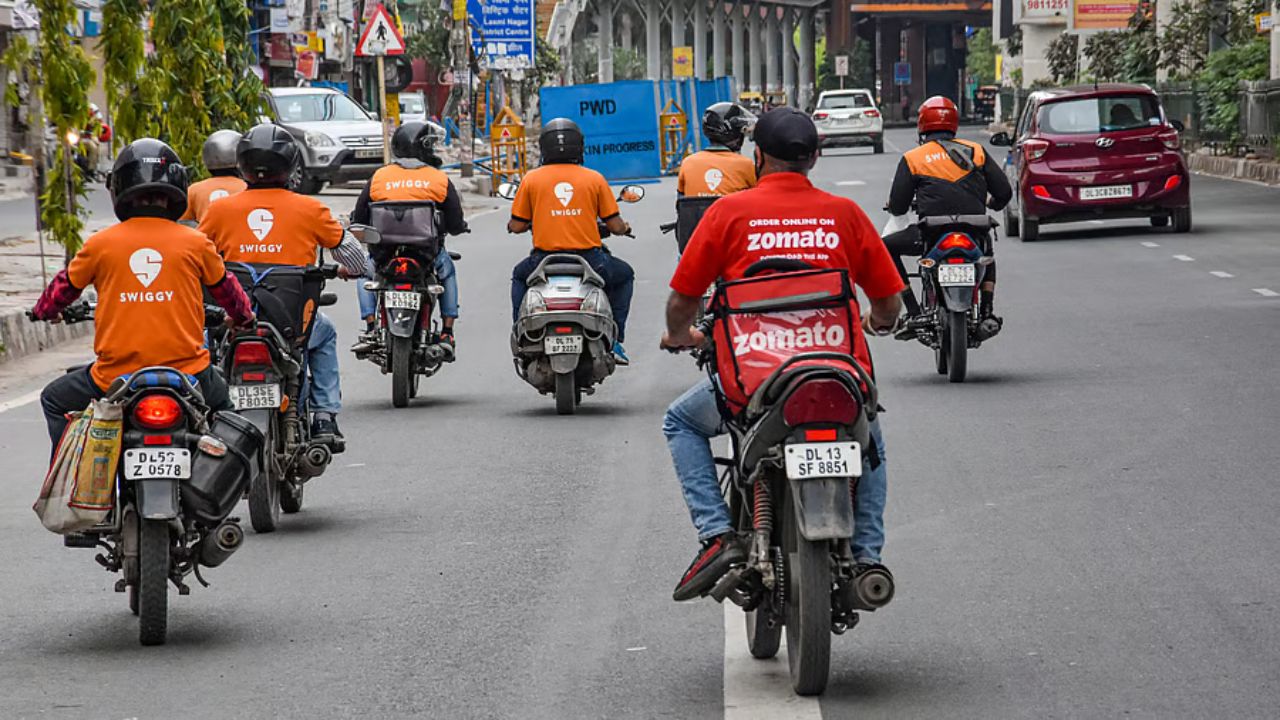
The cap per transaction varies for different services.
Bengaluru: In a first-of-its-kind move, the Karnataka government has operationalised a welfare fee aimed at funding social security benefits for platform-based gig workers such as delivery partners and drivers.
The notification, issued on February 13, brings into effect key provisions of the Karnataka Platform-Based Gig Workers (Social Security and Welfare) Act, 2025. Here’s a breakdown of what the new system means for platforms like Swiggy, Zomato and ride-hailing operators.
The Act allows the state to levy a welfare fee ranging from 1% to 5% of the payout made to gig workers for each transaction. The government has opted for the lowest slab- 1% per transaction across all services.
Gig workers go on Nationwide app switch-off; Plan street protests on 3 Feb
However, to prevent excessive burden, the fee is subject to service-specific caps, ranging from ₹0.50 to ₹1.50 per transaction. The money collected will be deposited into a dedicated Gig Workers Welfare Fund, meant to finance social security benefits.
While the rate is 1%, the maximum amount chargeable per transaction varies:
Food & Grocery Delivery (eg Swiggy, Zomato, Blinkit, Zepto, BigBasket):
Cap: ₹0.50 per order
Two-wheelers: ₹0.50
Three-wheelers: ₹0.75
Four-wheelers: ₹1
For example, even if a cab ride costs ₹1,000, the welfare contribution will not exceed ₹1.
Two-wheelers: ₹0.50
Three-wheelers: ₹0.75
Light commercial vehicles: ₹1
Heavy commercial vehicles: ₹1.50
The overall cap per transaction is ₹1.50.
Will Blinkit-Zepto 10-minute delivery be banned? Here’s what gig workers demand
All aggregators operating in Karnataka must begin remitting the welfare fee to the government. Until a digital verification system PMFVS (Payment and Welfare Fee Verification System) is fully operational, platforms are permitted to self-report transaction details and payments quarterly.
Bank details for remittance will be made available on the Labour Department’s website.
Passed in August 2025, the law aims to provide gig workers with structured social security coverage — potentially including health benefits, insurance and other welfare measures. The notification of the fee quantum clears a key hurdle that had delayed implementation.
With this move, Karnataka becomes the first state in India to formally operationalise a transaction-based welfare model for gig workers, setting a potential template for other states.