 English
 English

dynamitenews.com
New Delhi/ 31 May 2016. It takes a life time effort for parents to send their daughter married, but three words in a minute out of instantaneous emotion could shatter a family’s dream and hopes. When more than 20 Muslim dominant countries have reformed their marriage and divorce laws, what is restraining India from following the line? Is it the ‘minority status’ which is holding back the marriage rights of their women in community?
Dynamite News is tracking this burning topic of the triple talaq system in India. What is the real problem and what could be the solution?
When in April, Shayaro Bhanu’s knock in at Supreme Court’s door for justice represented the emotions of hundreds of women and kicked off an unending discussion on the validity of divorce by uttering this single word Talaq thrice.
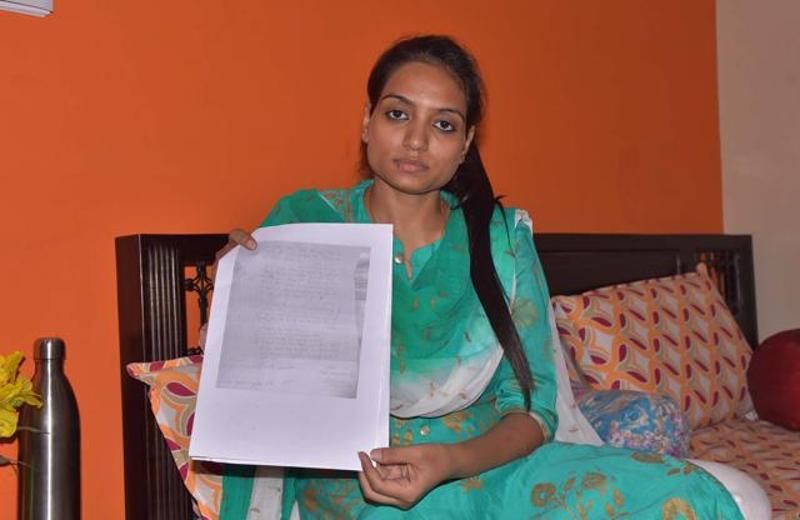
Later, Afreen a 28 year old from Jaipur joined Shayaro Bhanu challenging the validity of this dogmatic practice. These incidents are not sporadic.
On February, in a fit of anger, a sitting judge of a district court in Aligarh has divorced his wife Afsha Khan saying talaq. Afsha then sent letter to CJI and Allahabad HC justice. On October 2015, a delayed reply in WhatsApp tattered a dental student’s married life in Kerala after her husband’s three text messages read ‘Talaq talaq talaq’.

What is ‘Talaq- Talaq- Talaq’?
Talaq is a term used by Muslims to dissolve their marriage contract. Pronouncing talaq three times put an end to the nikkah. This system is a practice which the Hanafi school of thought (a sect of Sunni school of thought) begun. Since the marriage is a contract any party can annul this contract. Quran details Talaq to be pronounced on unavoidable situations and provides room for reconciliation. Quran forbids divorcing a lady during her menstrual days and during pregnancy.
Legal Validity of Talaq in India and abroad
Most of the Islamic countries including, Pakistan, Bangladesh do not legally recognize the practice of unilaterally divorcing their wife by uttering triple talaq. In India, it is All India Muslim Personal Law Board which decides on the do’s and don’ts of marriage and divorce in community. Muslims in India mostly rely on sharia for civil case settlements, which is recognized as per constitution.

Why it is still practised in India?
It has been enshrined in the Indian constitution under Article 25 every citizen has the right to freedom of religion. When Islamic republic has done away with these age old tactics, this practice still continues to exist here. Intellectual class opines that any such interference in this subject by court may be deemed as interference of rights of religion and community.
Dynamite News spoke to a wide spectrum on the issue of triple talaq and here is what they had to say:
Mohan Parasaran, Eminent Jurist and Former Solicitor General of India
“When Marriage itself is a contract, Government is independent to do away with this practice as it is against public policy. It is against constitutional norm and comes under the ambit of Uniform Civil Code. Henceforth this practice should not be recognized. Clearly, Article 25 cannot defend this practice of triple talaq.”
K. Rahman Khan, former Union Minister for Minority affairs
“The instantaneous uttering of triple talaq via speed post or WhatsApp is not acceptable to a sensible person. A social reform is needed. The Muslim personal board should codify a uniform rule to all sects of Muslims as per the Quran. It is a chauvinistic approach followed in the name of religion. A private member bill has to be initiated and discussed to bring acts related to the subject.”
Meenakshilekhi, Spokesperson, BJP
“Triple talaq is biased in favour of men. All women irrespective of their religion must be granted justice for any such misconduct they have undergone. Situation was identical to Hindu and Christian women which they have changed. Society has to reform. It is unfortunate to mix these issues with religion.”
Dr. Asma Zehra executive member of the All India Muslim Personal Law Board (AIMPLB), told Dynamite News “In a free country like India every citizen has the right to practice their customary law” she also added that “law is formulated as per Quran and Hadith hence no reform is needed in the personal law however this law is widely being used for exploitation.”
According to a study conducted by an NGO Bharatiya Muslim Mahila Andolan in ten states reveal that more than 90% women demand for debarring this practice. In a recent hearing, Lucknow bench of Army tribunal has ruled out the validity of the unilaterally delivering triple talaq, which has to be considered as a positive change.
Conclusion derived
A codification of law for every community discouraging polygamy and encouraging empowerment, education and equal rights has to be drafted. Over emphasis of religion on matters regarding gender discrimination and minority rights should be avoided. Religion should not eclipse in the upliftment of minority rights. Educate both men and women to maintain a healthy relationship, teach them how to end a relationship in grace and create awareness among the community on this regard.