English
 English

Representational Image Created With The Help of AI
New Delhi: The PUC centers, which remain dormant across the year, suddenly witness long queues with people waiting in a choked city.
Well, you could be fortunate enough to register for the certificate timely, but somehow, you might have encountered the thought of buying a new electric vehicle and supplanting your old petrol or diesel vehicle to do a favor for the environment.
So that the electric vehicles could glide silently through the verdant streets, where trees and parks thrive free from smog. The buzzing might seem futuristic for a sleek city, but do you know these vehicles emit more pollution than the current ones?
Delhi Air Pollution: Difference between BS6, BS5, BS4 vehicle; Which pollute more?
Electric vehicles (EVs) were designed to tackle climate change. Weren’t they supposed to shift away from fossil fuels and reduce carbon emissions?
More and more people are turning to EVs due to growing awareness. In fact, governments have announced complete transition goals and included EVs in their climate policies. They were supposed to be the solution to our climate troubles.
But what we are about to tell you shows the exact opposite. Why? Because these electric vehicles are doing more harm than good.
EV Tires Produce More Pollution
A study has found that they may be causing more pollution than your average petrol or diesel cars. Imagine that—it’s a bit difficult to digest, isn’t it? Hold that thought, because our next report tells you more.
Just because an electric car doesn’t have a tailpipe doesn’t mean it’s a zero-emission vehicle. Most of the particulate matter released by a vehicle doesn’t come from the tailpipe at all—it comes from tire wear. Both EVs and regular vehicles have this in common.
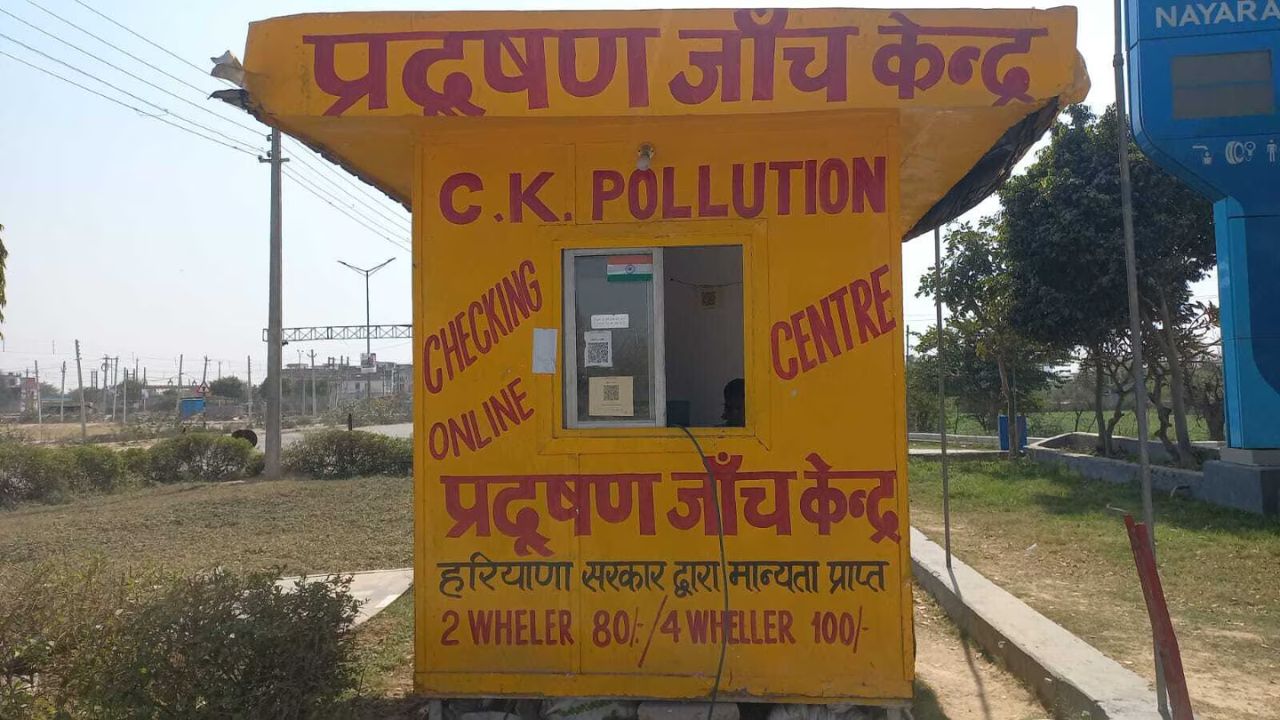
PUC Centres wintness huge commotion across Delhi-NCR
As you know, cars are heavy, and as their tires rub against the road, they degrade. This releases tiny and often toxic particles.
According to measurements by Emission Analytics, in gasoline cars, airborne tire wear emissions are 400 times greater than direct exhaust particulate emissions. So the tailpipe is not the main culprit.
For electric vehicles, generating the electricity that powers them also creates particulate pollution. Their tires are made from petroleum, and the cars weigh far more than gasoline-powered vehicles—15–30% more, to be specific.
This extra weight causes tires to degrade faster, releasing even more particulate matter—up to 1,850 times more than exhaust emissions.
Experts are counting on EV makers to reduce the weight of their cars. But how is that possible? As manufacturers develop better EVs, battery sizes are only expected to increase.

Representational Image Crafted by AI
This means the weight will also increase, along with tire wear and particulate emissions. So how will banning petrol or diesel cars solve the problem when the real issue is tire wear?
Perhaps the solution lies in making EVs lighter or designing more durable tires.
Where the EV takes a leap
Comparing emissions between electric and conventional engine cars is no easy task. To do this properly, you need to look at the entire life cycle of the car, from cradle to grave—from production to driving emissions and finally, scrapping the car.
We also must compare apples to apples—SUV to SUV, hatchback to hatchback, and so on. Sounds complicated, right? It is, but luckily, there is a scientific method called life cycle assessment (LCA).
This assessment includes all emissions from production materials, battery manufacturing, fuel or electricity generation, and driving emissions—in short, the total emissions from cradle to grave.
Such analyses should be conducted by universities or research institutions with proven expertise.
WFH, No Fuel Rule: Full list of anti-pollution curbs in Delhi from Thursday
And the conclusion is clear and indisputable
The total emissions created by electric vehicles, from cradle to grave, are far lower when directly compared to diesel or petrol cars. As new data comes in, these numbers continue to improve.
Back to the main topic
EVs do create higher emissions during production, mainly due to the energy-intensive battery manufacturing process. However, as soon as you start driving, the emissions from a petrol or diesel car quickly surpass those of an EV.
Exactly how much cleaner an EV is depends on several factors, the most important being how the electricity is produced. The cleaner the electricity, the lower the emissions.