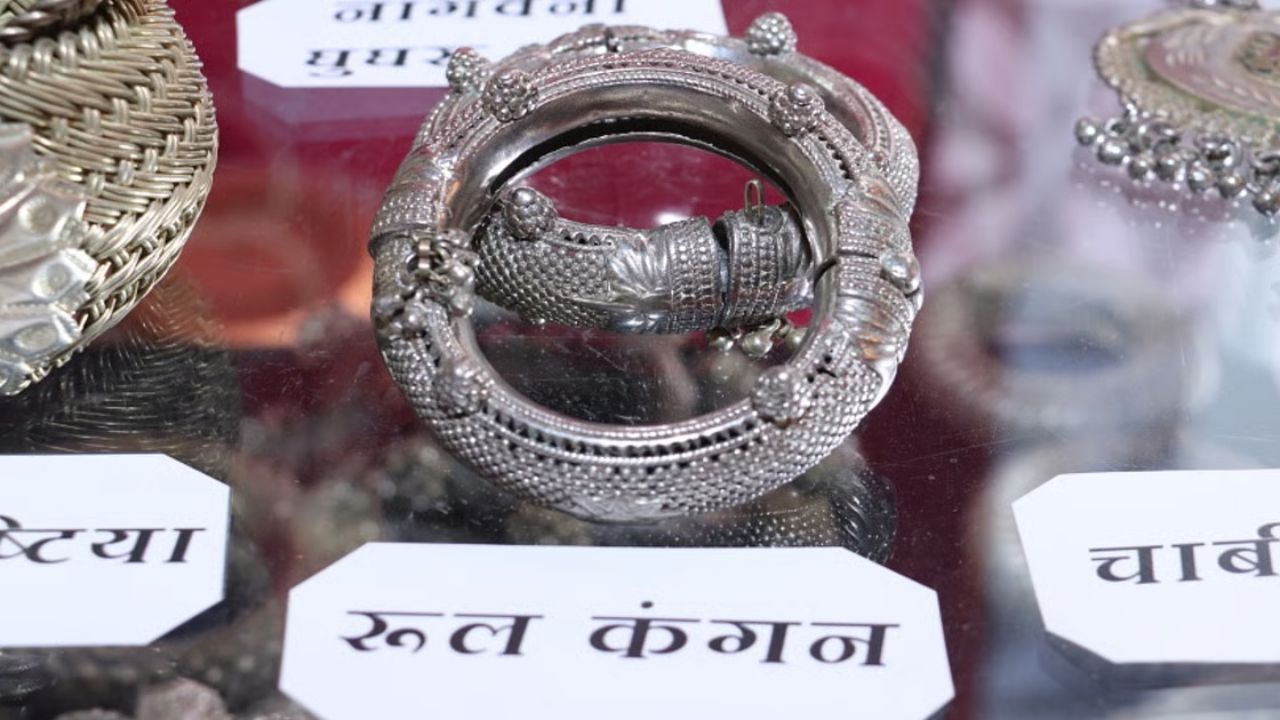
The institute has curated an extensive collection of ornaments belonging to tribes such as the Tharu, Buksa, Gond, and Baiga, reflecting not just aesthetic beauty but also the deep-rooted traditions and social identity of tribal life. These handcrafted ornaments highlight centuries-old craftsmanship passed down through generations.
UP safeguards tribal legacy with Rare ornaments and utensils
Lucknow: The Uttar Pradesh Tribal and Folk Art Culture Institute is playing a crucial role in preserving the rich cultural heritage of the state’s tribal communities by conserving more than 500 traditional ornaments and rare utensils and showcasing them through exhibitions for younger generations.
The institute has curated an extensive collection of ornaments belonging to tribes such as the Tharu, Buksa, Gond, and Baiga, reflecting not just aesthetic beauty but also the deep-rooted traditions and social identity of tribal life. These handcrafted ornaments highlight centuries-old craftsmanship passed down through generations.
Institute Director Atul Dwivedi said that the ornaments are entirely handmade by tribal artisans using traditional techniques. Crafted from materials including gilt and pure silver, old Indian coins, beads, copper, brass, wood, bone, and shells, the ornaments are shaped through age-old processes in which metals are heated in furnaces, drawn into wires and sheets, and finished by hand.
Necklaces, anklets, waistbands, bangles, earrings, rings, armlets, and mangalsutras form an integral part of tribal attire and cultural expression, symbolising community traditions and artistic excellence.
Alongside ornaments, the institute is also preserving vanishing traditional utensils made of brass, copper, clay, and natural materials. Utensils and vessels used by the Tharu, Buksa, Agariya, and Kharwar tribes, as well as tribal communities from the Sonbhadra region, are being conserved as living examples of indigenous lifestyles.
Items such as metal pots, earthenware, and ‘tumbi’ (gourds) crafted from wild gourds continue to reflect sustainable practices and traditional knowledge. The institute regularly organizes exhibitions to display these artifacts, offering visitors-especially the younger generation—a meaningful connection to Uttar Pradesh’s tribal cultural heritage.

