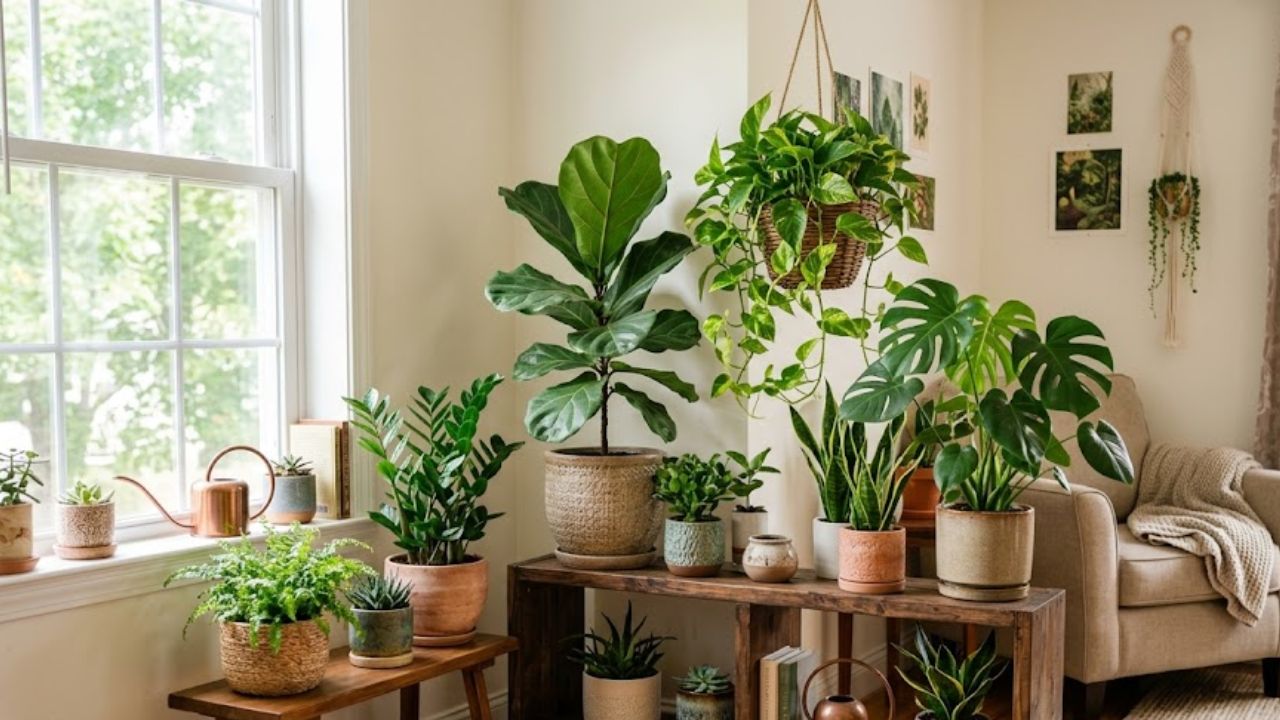
Representative image (Image Internet)
New Delhi: Plants and trees have long held a special place in Indian traditions and Vastu Shastra. While many species are believed to attract positivity, prosperity and harmony, some are traditionally associated with negative influences that may affect household well-being.
According to Vastu beliefs, the placement of certain plants can contribute to emotional stress, financial setbacks and disturbances in family life. Here are some of the plants commonly considered inauspicious and the remedies often suggested.
The tamarind tree is often regarded as unsuitable for residential spaces in Vastu traditions. It is believed to attract negative vibrations and create tension within families. Some traditions also associate it with unexpected difficulties and emotional distance among household members.
As a remedy, people are advised to plant sacred or auspicious species such as Tulsi or Ashoka nearby. Tying a red thread around the tree is also considered beneficial in some customs.
The Babool tree is another plant often viewed unfavourably in Vastu practices. Traditional beliefs suggest it may contribute to frequent disagreements, legal disputes or property-related conflicts.
One commonly recommended remedy involves marking the tree with a swastika symbol using vermilion, which is believed to reduce its negative effects.
Although mehendi is widely used during weddings and festive occasions, some Vastu traditions advise against growing it inside the home premises. It is believed that the plant may create obstacles to happiness and personal growth.
To balance its influence, some practitioners recommend planting Shami or white Aak plants nearby.
Despite being a popular fruit-bearing tree, guava is considered unsuitable for home courtyards in certain traditional beliefs. It is thought to create energetic imbalance within the household environment.
Plants such as cactus, cotton and berry-bearing species are also linked to challenges and obstacles in some Vastu interpretations. Traditional remedies include tying a sacred thread around such plants on Wednesdays and planting a Peepal tree nearby.
While these beliefs remain rooted in cultural and spiritual traditions, they continue to influence home gardening and landscaping choices in many households across India.

