 English
 English

CEA Nageswaran’s Remark Sparks Fresh Debate Over E20 Petrol Rollout (Img: X)
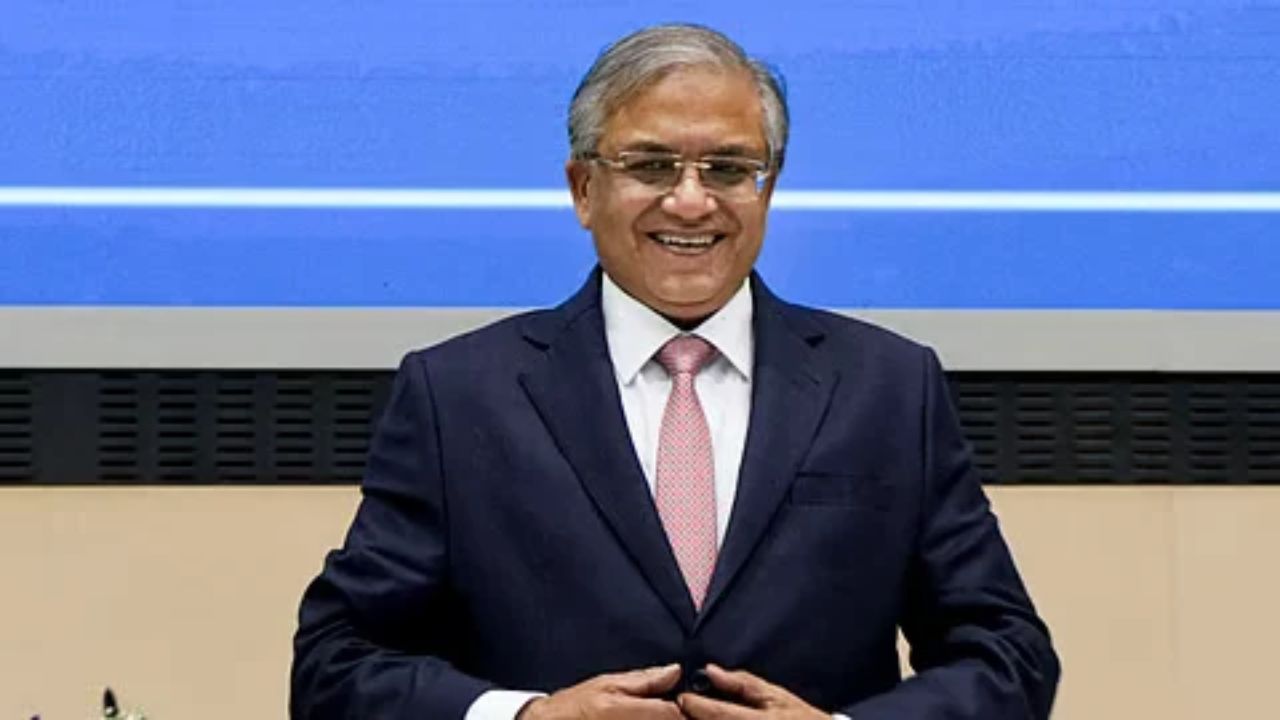
New Delhi: Amid the ongoing debate over E20 petrol, Chief Economic Adviser (CEA) V Anantha Nageswaran has suggested a flexible approach that could provide relief to owners of older vehicles. He proposed bringing back E10 petrol at fuel stations for older vehicles while allowing newer vehicles designed for higher ethanol blends to continue using E20 petrol.
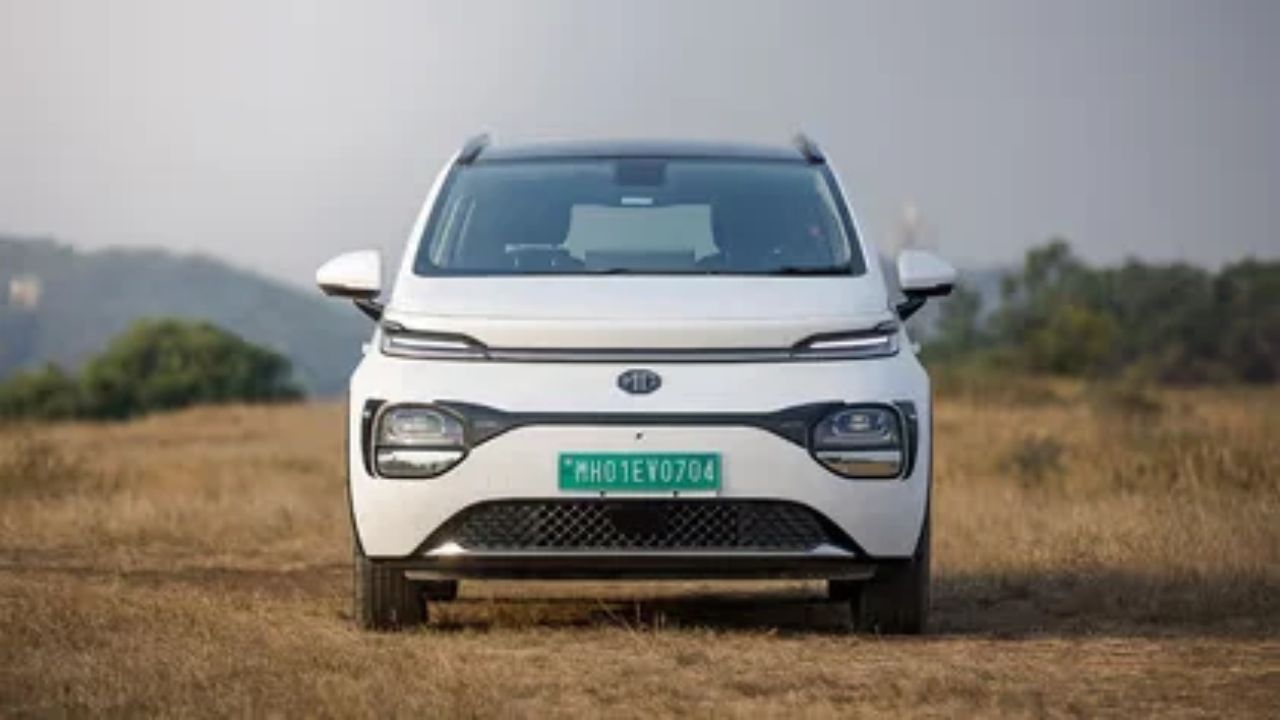
Nageswaran’s suggestion comes at a time when concerns over E20 petrol have intensified among vehicle owners, particularly those using older cars and two-wheelers. Many motorists have raised questions over mileage reduction, engine compatibility and long-term maintenance issues after the nationwide rollout of E20 fuel.
In a recent column, Nageswaran argued that the solution does not lie in reversing India’s ethanol blending programme but in adopting a more flexible system.
He suggested that petrol pumps could offer both E10 and E20 options, allowing consumers with older vehicles to choose fuel based on their vehicle’s compatibility.
According to him, newer vehicles manufactured with E20 compatibility can continue using the higher ethanol blend, while older vehicles that were developed around E10 petrol can continue using the lower blend.
The government has been promoting E20 petrol as part of its strategy to reduce crude oil imports, lower dependence on foreign energy sources and promote domestic ethanol production.
However, several owners of older vehicles have expressed concerns over possible effects of E20 fuel. Older vehicles, especially those with carburettor-based engines, were designed for lower ethanol blends and may not automatically adjust to higher ethanol content.
Nageswaran highlighted that India has around 75-80 million older two-wheelers that were built keeping E10 petrol in mind.
While discussing concerns around E20 petrol, Nageswaran clarified that the fuel itself is not inherently harmful to engines.
He explained that ethanol contains less energy compared to petrol, which means some reduction in fuel efficiency is expected. According to him, the impact of E20 on mileage could be around 6-7 per cent.
However, he pointed out that the bigger concern is with older vehicles where fuel system components such as rubber seals and other parts may not have been designed for higher ethanol concentration.
India introduced E20 petrol as part of its ethanol blending roadmap aimed at reducing oil imports and encouraging the use of alternative fuels. The government has maintained that E20 petrol has undergone extensive testing and that there is no evidence of widespread engine damage due to the fuel.
Automobile manufacturers have also been preparing newer vehicles to meet E20 compatibility standards, especially under the BS-VI emission regime.
Beyond vehicle compatibility, Nageswaran also highlighted the broader challenges of increasing ethanol blending beyond E20. He said higher ethanol targets could raise questions related to agricultural land use, water consumption and whether food crops could be diverted towards fuel production.
According to him, India needs to carefully examine the long-term impact of increasing ethanol dependence while balancing energy security and food requirements.
The CEA’s suggestion does not call for scrapping the E20 programme. Instead, it proposes a transition strategy where older vehicles get access to E10 petrol while newer vehicles continue using E20.
If implemented, the move could offer more flexibility to millions of vehicle owners who are concerned about the impact of higher ethanol blends. However, the proposal is currently only a recommendation, and any decision on changing petrol availability would depend on the government’s policy direction.