 English
 English

India Walks a Diplomatic Tightrope Over Trump’s ‘Board of Peace’
New Delhi: As US President Donald Trump unveiled his ambitious “Board of Peace” initiative in Davos—alongside plans announced by his son-in-law Jared Kushner to rebuild a “New Gaza” after the Israel–Hamas war—India chose a cautious path. New Delhi stayed away from the ceremony, neither accepting nor rejecting Trump’s invitation to Prime Minister Narendra Modi to join the board.
This deliberate silence reflects India’s preference to wait, assess, and weigh its options, rather than rushing into a potentially controversial global initiative.
According to sources, India has strong reasons for not joining the board immediately. The government is evaluating several factors, including the board’s composition, credibility, longevity, and alignment with India’s long-standing foreign policy positions—particularly its commitment to multilateralism and a negotiated two-State solution to the Israel–Palestine conflict.
‘Everybody wants to be a part of it: Trump launchesBoard of Peace; for Gaza; Full story here
New Delhi is also mindful of the possible diplomatic consequences of declining Trump’s invitation outright, given India’s strategic relationship with the United States.
One of India’s primary concerns is who is actually part of the board. While several countries—including Saudi Arabia, Egypt, Israel, the UAE, Turkey, Jordan, and Pakistan—have accepted Trump’s invitation, much of Europe has stayed away. Key global powers such as France, Germany, the UK, Russia, and China have not joined.
The absence of permanent members of the UN Security Council has raised doubts in Delhi about the board’s legitimacy and global influence. At present, Indian officials believe the initiative lacks sufficient international “heft.”
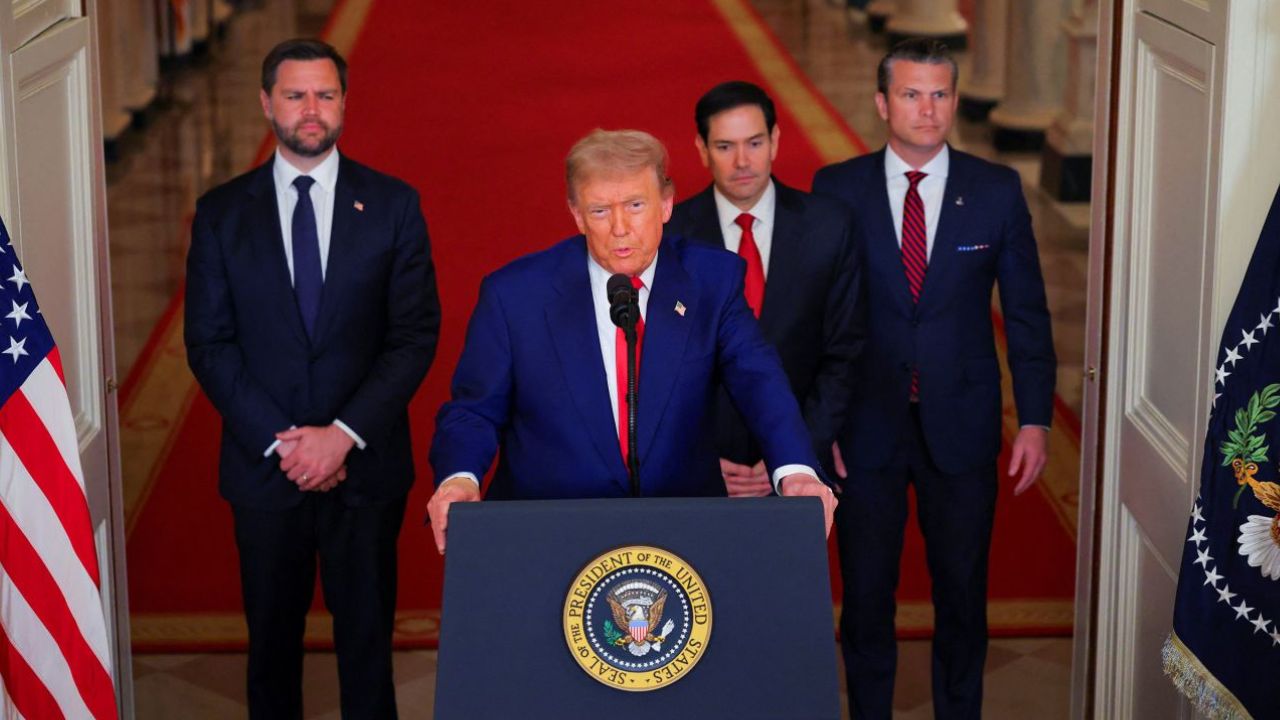
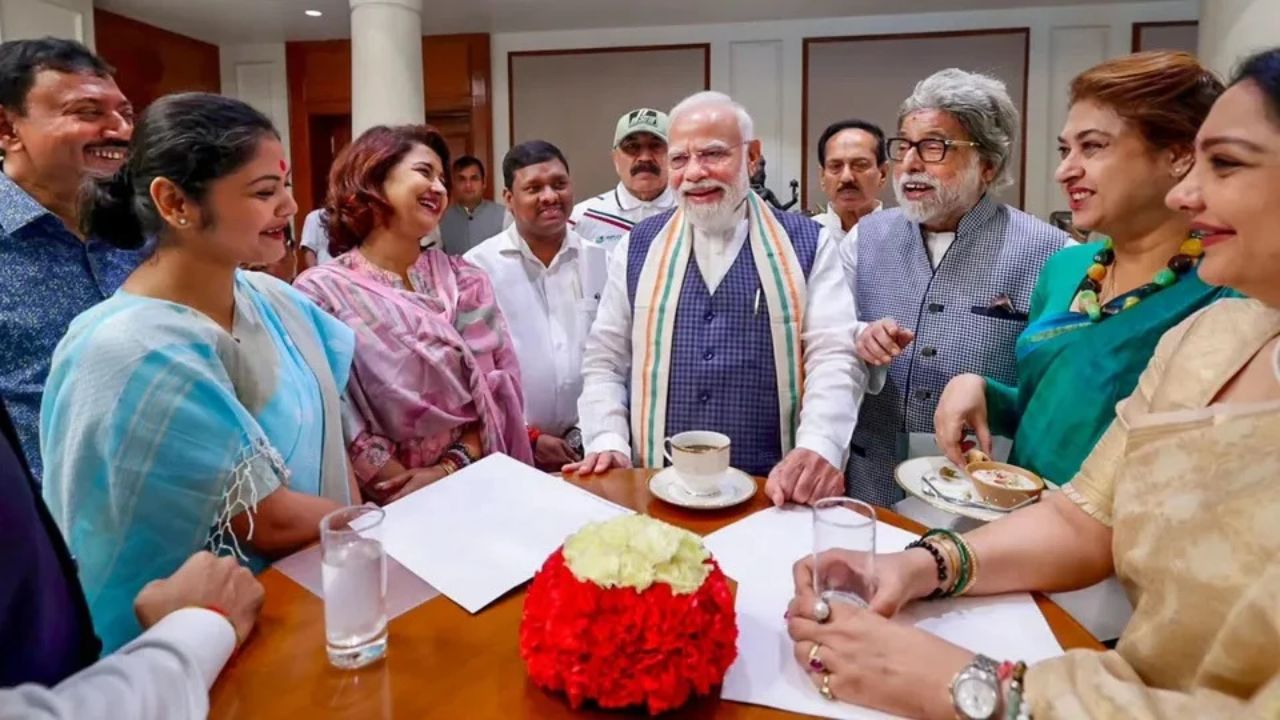
US President Donald Trump (Source: Internet)
Another major concern is the board’s durability. The Board of Peace is widely seen as Trump’s personal project, raising fears that it may lose relevance once he leaves office. With Trump’s term ending in three years, India is wary of investing diplomatic capital in an initiative that may not survive beyond his presidency—or could collapse if Trump withdraws support.
India is also cautious about any initiative that could undermine the United Nations framework. While Trump has suggested that the board would work “in conjunction with the UN,” he has left its mandate broad and undefined, creating uncertainty over decision-making authority and governance.
Delhi remains concerned that the board could function as a parallel global body, challenging established multilateral institutions.
India is particularly uneasy about the board expanding its scope beyond Gaza. Trump’s past tendency to insert himself into conflicts—including claims about mediating India–Pakistan tensions—adds to Delhi’s hesitation.
AI, Tariffs And Tough Talk: Trump draws sharm criticism over Greenland and Gaza push
Pakistan’s participation further complicates matters. If India stays out, it risks being excluded from discussions that could impact its own security interests in the future.