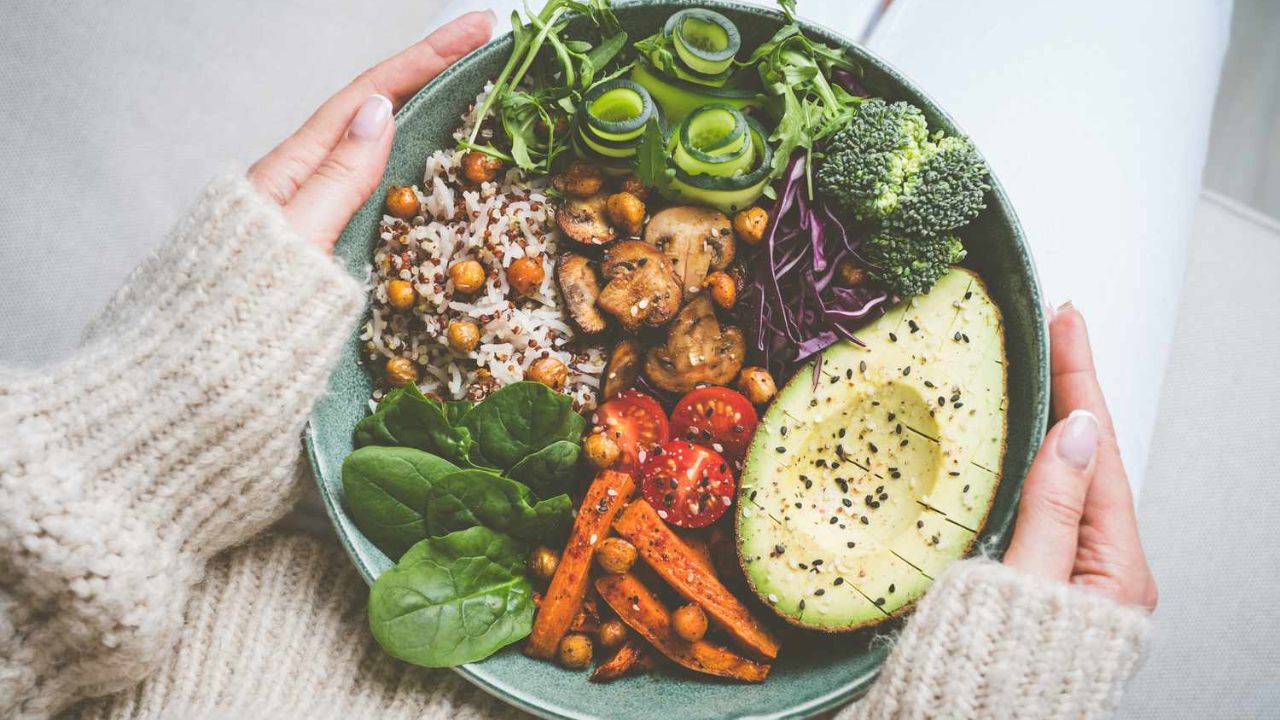
Representational Image
New Delhi: When it comes to weight loss, many people believe that completely cutting out ghee, oil, and butter is the key to shedding kilos. However, health experts say that eliminating fat entirely can do more harm than good. The body actually needs a certain amount of healthy fat to burn stored fat, maintain hormones, and stay energized.
Good Fat vs Bad Fat: Know the Difference
Not all fats are harmful. The type of fat you consume plays a crucial role in weight management.
Unsaturated fats (good fats) support heart health and may help in weight loss. These are found in olive oil, avocados, almonds, walnuts, flaxseeds, chia seeds, and fatty fish.
Saturated and trans fats (bad fats) are commonly found in biscuits, cakes, samosas, pizza, fried foods, and processed meats. These can increase inflammation and make it harder to lose belly fat.
How Much Fat Do You Actually Need?
Health guidelines suggest that 20-35% of your total daily calories should come from fat. Since 1 gram of fat provides 9 calories, someone consuming 2,000 calories per day should get about 400–700 calories from fat - roughly 44-78 grams of fat daily.
Experts also recommend consuming at least 0.5 grams of fat per kilogram of body weight to avoid essential fatty acid deficiency. For example:
60 kg person: 30-60 grams per day
70 kg person: 35-70 grams per day
80 kg person: 40-80 grams per day
According to Indian Council of Medical Research (ICMR) guidelines, up to 30% of total energy intake can come from fat. However, visible fats like oil and ghee should generally be limited to about 25-30 grams per day.
Too little fat can lead to fatigue, hair fall, weakened immunity, and increased hunger. Extremely low-fat diets often increase cravings, which may result in overeating.
For healthy weight loss, focus on nuts, seeds, and healthy oils in controlled amounts, avoid highly processed foods, and combine a balanced diet with regular exercise. A proper fat intake, along with physical activity, can support steady and sustainable weight loss.

