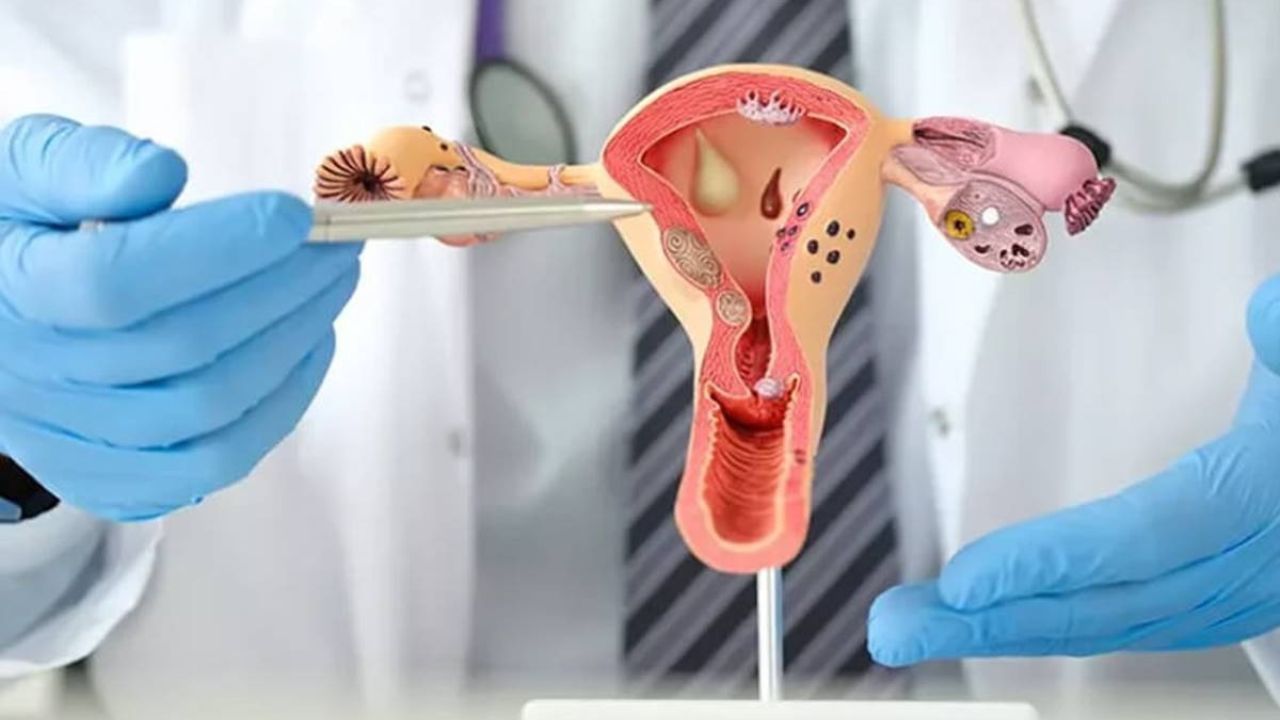
New Delhi: Polycystic Ovary Syndrome (PCOS), once considered a condition affecting women in their 30s, is now increasingly being diagnosed in teenagers and women in their early 20s. Health experts say this shift is largely driven by modern lifestyle patterns rather than just hormonal imbalance.
Understanding these triggers is key to preventing and managing the condition early.
Why Are PCOS Cases Increasing at a Younger Age?
1. Poor Dietary Choices
Today’s diet is often loaded with refined flour, sugar, and ultra-processed foods. These lead to frequent spikes in insulin levels, which can disrupt ovarian function and worsen PCOS symptoms.
2. Sedentary Lifestyle
Long hours of screen time and minimal physical activity contribute to weight gain. Obesity is one of the strongest risk factors linked to PCOS, making an inactive lifestyle a major concern.
3. Stress and Sleep Deprivation
Academic pressure, work stress, and late-night habits can disturb the body’s internal clock (circadian rhythm), leading to hormonal imbalances that trigger or worsen PCOS.
Adopt a Balanced Diet
Include complex carbohydrates like oats, whole grains, and brown rice, along with adequate protein. Cutting down on sugary foods and soft drinks can significantly help regulate insulin levels.
Stay Physically Active
You don’t need intense workouts-simple activities like brisk walking, yoga, or dancing for 30–40 minutes daily can improve hormonal balance.
Manage Stress Effectively
Practices like meditation and deep breathing can help lower stress hormones and support overall well-being.
Prioritize Sleep
Getting 7-8 hours of quality sleep each night allows your body to repair and maintain hormonal balance.
Focus on Healthy Weight Management
Even a modest weight loss of 5-10% can make a noticeable difference in regulating menstrual cycles and reducing symptoms.
The Takeaway
PCOS is not just a medical condition-it’s closely tied to how we live every day. Small, consistent lifestyle changes can go a long way in preventing and managing it, especially when started early.

