 English
 English

179 Years To A Green Card? Inside America’s Immigration Crisis For Indians
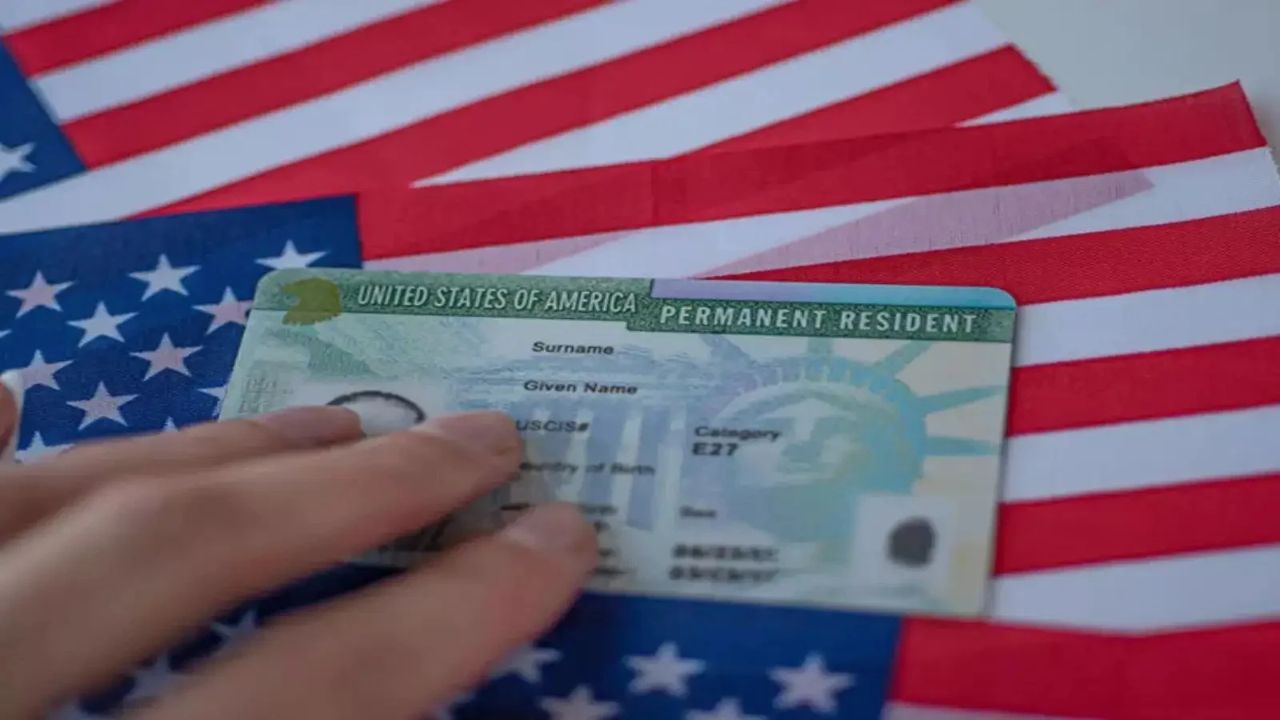
Washington: For millions of Indians dreaming of a permanent future in the United States, the green card has long been seen as the final step towards stability, career growth and a secure life abroad. However, a new analysis has revealed a growing immigration crisis, with Indian professionals facing some of the longest waits ever recorded for US permanent residency.
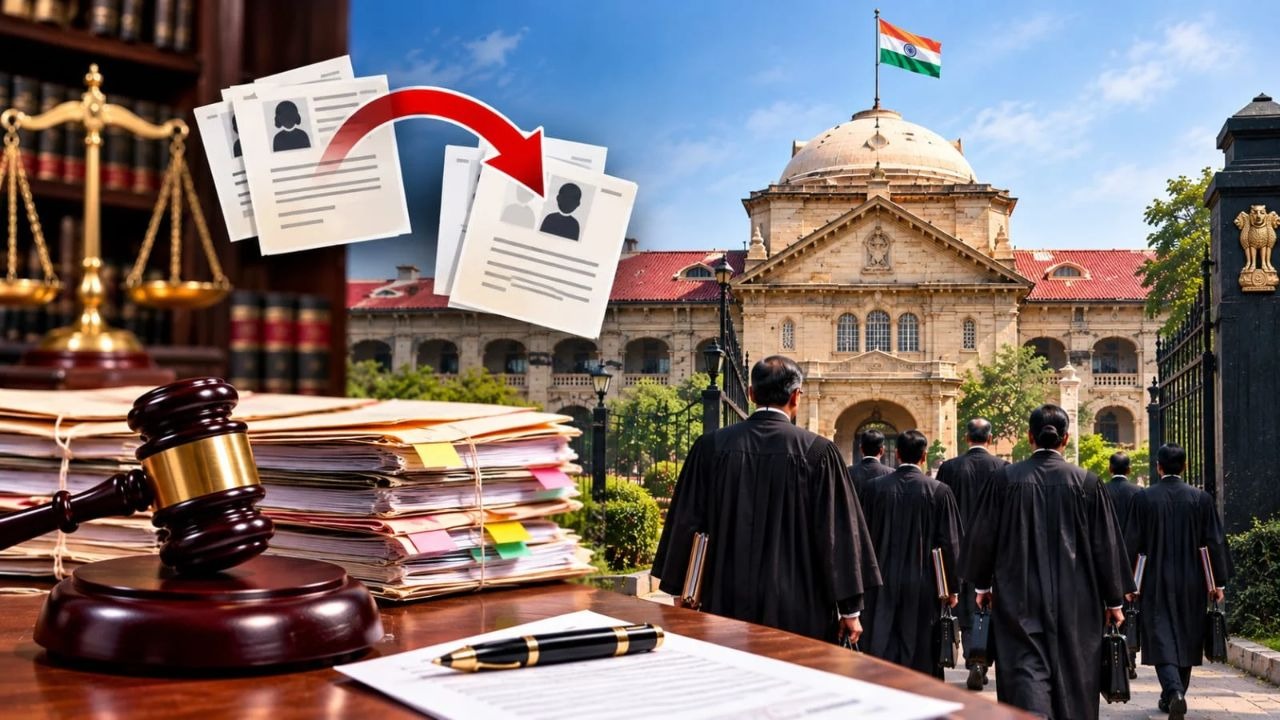
According to a study by the National Foundation for American Policy (NFAP), nearly 996,599 Indian professionals and their dependents are currently stuck in the employment-based green card backlog. The analysis estimates that some Indian applicants entering the system could face waiting periods of up to 179 years in certain categories.
The findings have triggered fresh concerns among Indian technology workers, engineers, healthcare professionals, researchers and other skilled employees who have spent years contributing to the US economy while waiting for permanent residency.
The green card delay has become a major issue because it affects not just immigration status but also long-term career plans, family decisions, financial security and the ability to fully settle in America.
The biggest reason behind the massive backlog is the US immigration system’s country-based quota policy. Under current rules, no single country can receive more than 7 percent of employment-based green cards issued every year, even if the demand from that country is significantly higher.
The United States issues around 140,000 employment-based green cards annually across different categories. However, India’s large population of highly skilled professionals has created demand far beyond the available quota. As a result, thousands of Indian applicants continue to remain in the queue for years while newer applicants keep joining the backlog.
Indian professionals mainly apply for permanent residency through three employment-based categories, namely EB-1, EB-2 and EB-3.
The EB-1 category is meant for individuals with extraordinary abilities in fields such as science, business, education, arts and sports. The EB-2 category covers professionals with advanced degrees and workers with exceptional abilities, while EB-3 applies to skilled workers and professionals with bachelor’s degrees.
Among these categories, EB-2 has become the biggest challenge for Indian applicants. The NFAP analysis estimates that highly skilled Indian workers entering the EB-2 category could face a potential wait time of nearly 179 years.
For EB-3 applicants, the waiting period could extend up to 38 years, while EB-1 applicants may face around five years of waiting. The figures have shocked many Indian professionals because the waiting period in some categories could exceed a person’s working lifetime.
The backlog has placed Indian professionals at the centre of America’s immigration debate. According to the analysis, Indians account for nearly 79 percent of the employment-based green card backlog.
Many of those waiting are highly skilled employees working in sectors that are considered critical to the US economy, including information technology, engineering, healthcare and research.
For many families, the uncertainty has created difficult choices. Professionals on temporary work visas often hesitate to change jobs, relocate or make major investments because their immigration future remains unclear.
The green card backlog has affected applicants differently depending on their country of origin. While Chinese professionals also face significant delays, their waiting periods in several categories remain shorter compared with Indian applicants.
According to NFAP estimates, Chinese applicants may face around 25 years of waiting in the EB-2 category and about seven years in EB-3, compared with much longer timelines projected for Indians. The difference has increased pressure on US lawmakers and immigration experts to reconsider whether the current country-based quota system is creating an unfair imbalance.
The green card crisis for Indians is not a recent development. The backlog has continued to grow for more than a decade due to limited annual visa availability and increasing demand from skilled workers.
NFAP’s analysis highlighted that in 2016, a large number of Indian EB-2 applications entered the system but only a small portion resulted in permanent residency approvals.
During that year, USCIS approved 47,601 EB-2 applications for Indians. When dependents were included, the number represented nearly 98,594 people. However, only around 4,407 Indians received permanent residency through the EB-2 category. This gap added tens of thousands of applicants to the existing queue and accelerated the growth of the backlog.
The Covid-19 pandemic created additional challenges for the US visa system. During the pandemic, temporary closures of US consulates reduced the processing of family-based visas. Under US immigration rules, unused family-based visa numbers were later transferred to employment-based categories.
Between fiscal years 2020 and 2024, nearly 280,000 additional employment-based green cards became available through this process. Despite the increase, the employment-based green card backlog continued to rise by around 20.6% over five years, according to the NFAP analysis.
The prolonged green card delays have become a concern for American businesses that depend heavily on skilled Indian professionals. Technology companies, healthcare organisations, universities and research institutions rely on international talent to fill specialised roles. However, immigration uncertainty can make it harder for employers to retain experienced workers.
For Indian professionals, the issue goes beyond paperwork. The delay affects home ownership decisions, children’s education, career mobility and long-term financial planning.
Many workers who have spent years building careers in the United States continue to live under temporary visa restrictions despite their contributions to the economy.
The increasing backlog has intensified calls for changes in the US immigration system. Immigration experts and industry groups have suggested reforms including removing country-based limits, increasing employment-based green card numbers and creating a system that better matches demand with available visas.
However, major changes would require approval from the US Congress, making immediate relief difficult. Until reforms are introduced, nearly 10 lakh Indians remain caught in one of the world’s most challenging immigration queues, waiting for a permanent solution to America’s growing green card crisis.