 English
 English

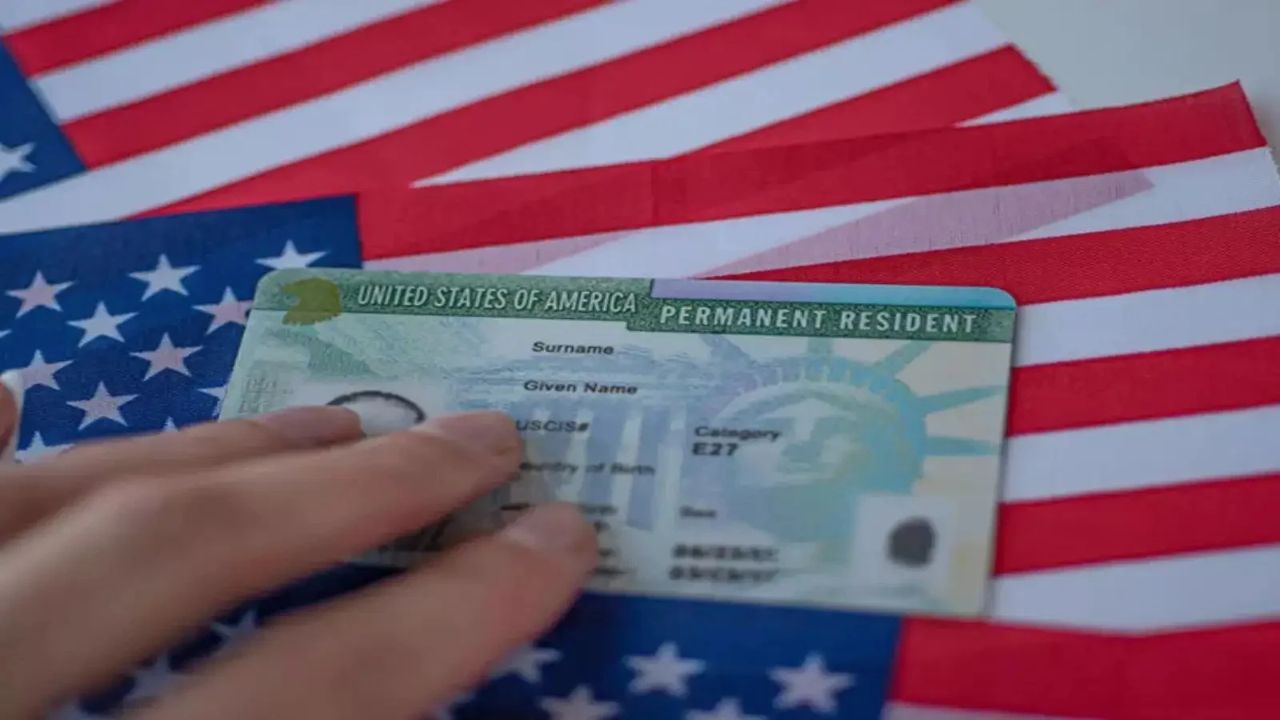
The US PERM suspension has put the spotlight on permanent residency prospects for Indian IT professionals working for major technology companies. (Img: Pinterest)
New Delhi: Tata Consultancy Services has stated that the suspension of the US Green Card programme will not hinder its recruitment plans as it intends to hire 15,000 employees in America in the next five years. The statement comes at a time when there is an increase in the scrutiny of technology companies by the US Government regarding employment immigration.
The largest IT services exporter of the country explained that since it has hardly used the Permanent Labour Certification (PERM) programme over the years, it did not expect the suspension to affect its employment plans. This comes at a time when the Donald Trump administration has increased inspection of employment-based immigration schemes alleging that businesses are using international hiring methods in a manner that could disadvantage American workers.
Tata Consultancy Services says the US Green Card programme suspension will not disrupt its hiring strategy, reaffirming plans to recruit 15,000 employees in America over five years. The announcement comes amid a major immigration crackdown targeting eight technology companies, raising fresh questions about Green Card applications, H-1B visa holders and the future of Indian IT professionals in the United States.
TCS has indicated that its limited reliance on the PERM programme makes the immediate impact of the suspension manageable. The company said its PERM applications were in single digits over the past two years, reducing its exposure to the restrictions.
The IT major has also reaffirmed plans to recruit an additional 15,000 employees in the United States over the next five years. The expansion is intended to strengthen its local workforce and support its business operations and customer commitments.
TCS said its American workforce strategy is primarily focused on hiring local talent, supported by campus recruitment and other hiring initiatives. The company has built a substantial local presence across 31 offices and delivery centres in the country.
The announcement is significant because Indian IT companies have traditionally used a combination of local recruitment, offshore delivery centres and employer-sponsored work visas to serve American clients.
A more restrictive immigration environment could make workforce planning increasingly important for companies operating in the US market. For TCS, the latest hiring commitment signals continuity in its US expansion strategy despite growing uncertainty around employment-based immigration.
Also Read: US Green Card Freeze: What Happens to Indian H-1B Workers at TCS, Infosys and Wipro?
The US government has suspended eight technology companies from participating in the PERM labour certification programme as part of a wider crackdown on employment-based immigration.
The companies named in the action are TCS, Infosys, Wipro, HCLTech, Cognizant, Microsoft, Adobe and Capgemini. The group includes five companies with major Indian IT operations and three other global technology businesses.
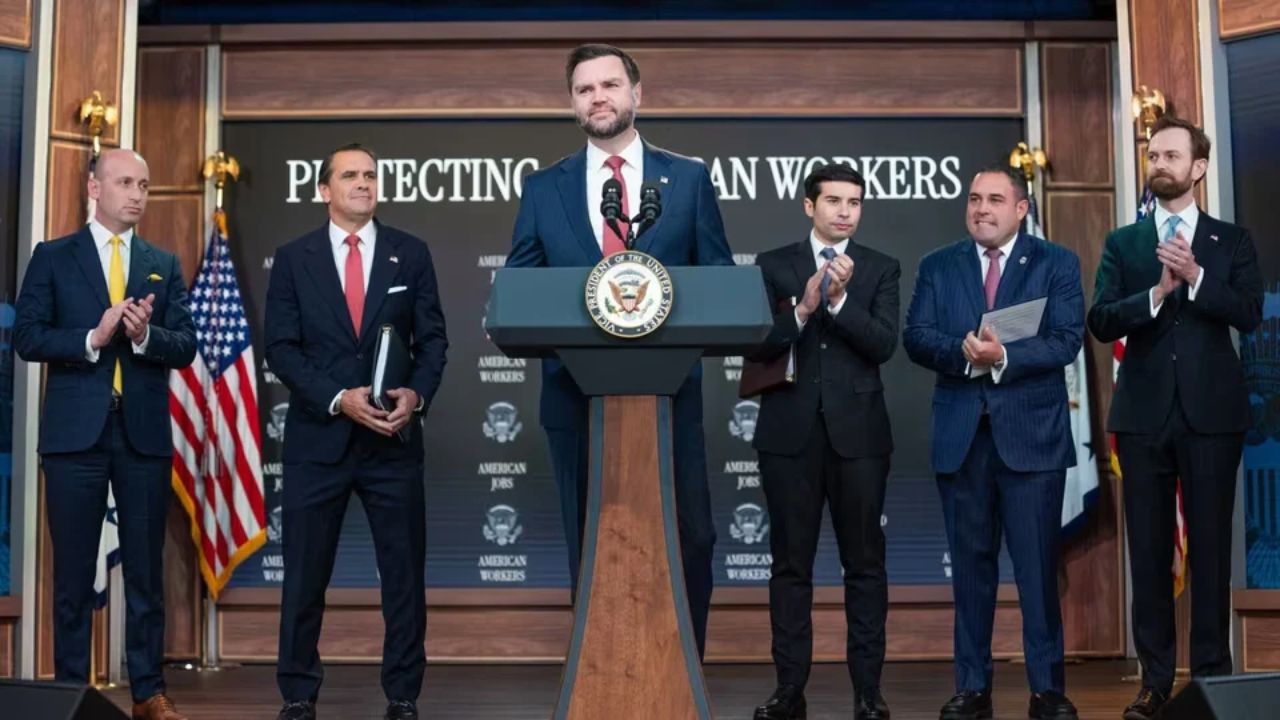
US Vice President JD Vance and Labor Secretary Keith Sonderling have criticised the use of foreign-worker recruitment programmes, arguing that such arrangements must not undermine employment opportunities, wages or working conditions for American workers.
Microsoft has faced particular scrutiny over its use of foreign-worker visas and Green Card applications following workforce reductions. US officials have questioned whether employers should be permitted to sponsor foreign professionals for positions when American employees have recently been laid off from comparable roles.
The Department of Labor has said it will not accept new or process pending PERM applications involving the affected companies. The move could disrupt immigration-related procedures for eligible foreign workers whose permanent residency cases depend on labour certification.
However, the inclusion of a company in the suspension does not, by itself, establish that it has committed fraud or violated immigration laws. The allegations made by US officials and the circumstances of individual cases must be distinguished from any formal finding of wrongdoing.
The Permanent Labour Certification programme, commonly known as PERM, is a key step in many employment-based Green Card applications in the United States.
Under the process, employers generally need to demonstrate that there are insufficient qualified and available American workers for a particular position and that hiring a foreign worker will not adversely affect the wages and working conditions of similarly employed US workers.
Once the required labour certification is obtained, employers can proceed with the relevant stages of an employment-based immigration petition, subject to applicable eligibility requirements and immigration rules.
PERM is different from the H-1B visa programme. H-1B visas allow US employers to hire eligible foreign professionals temporarily for speciality occupations, while employment-based Green Cards can provide a pathway to permanent residency.
This distinction is particularly important for Indian IT professionals who have spent years working in America and are seeking long-term settlement.
The suspension of PERM applications does not automatically invalidate existing H-1B visas. Instead, the immediate concern is the potential delay or disruption of the permanent residency process for employees whose cases depend on the affected labour certification procedure.
Also Read: US Green Card Crackdown: TCS, Infosys Among 8 Firms Hit, What It Means for Indians
The restrictions have raised concerns among Indian professionals employed by the affected technology companies, particularly those who are waiting for employer-sponsored Green Cards.
For many workers, permanent residency represents more than an immigration milestone. It can influence long-term career decisions, family stability, employment mobility and future settlement plans.
A prolonged suspension could leave some employees uncertain about when their applications can move forward. The consequences will depend on the stage of each application, the individual's immigration status and any subsequent changes to the US government's position.
One major concern involves H-1B workers approaching the standard six-year limit on their visa status. Under certain conditions, employees with qualifying employment-based immigration cases may be eligible for extensions beyond that period. Delays in the Green Card process could complicate long-term planning for some workers, although the suspension does not automatically make every affected employee ineligible for an extension.
Indian professionals considering jobs in the US may also need to pay closer attention to employer-sponsored immigration policies when evaluating opportunities.
For employees already in America, the key distinction is that a Green Card application delay is not the same as the cancellation of an existing work visa. Individual circumstances and eligibility rules will determine the practical impact.
The latest US action could encourage Indian IT companies to reassess their workforce strategies, particularly their balance between local hiring and international employee deployment.
Technology services companies generally rely on multiple delivery models. Some employees work directly at client locations in the United States, while other teams support projects from offshore centres in India and other countries.
Restrictions on employment-based immigration could increase the importance of local recruitment, campus hiring and workforce development in the American market. Companies may also need to review their immigration compliance procedures and contingency plans for employees awaiting permanent residency.
TCS's plan to add 15,000 US employees over five years highlights the role of local hiring in its business strategy. However, the impact of the wider suspension will vary across companies depending on their reliance on PERM, the number of affected employees and the stage of their applications.
The decision also underscores how immigration policy can influence the global technology industry's recruitment costs, employee retention, staffing flexibility and ability to deploy specialised professionals.
The next phase will depend on how long the suspension remains in place, whether the affected companies challenge the decision and whether the US authorities issue further guidance on pending applications. For employees, the priority will be to understand how the restrictions apply to their individual immigration cases. Workers whose long-term residency plans depend on PERM should monitor official updates and consult qualified immigration advisers before making decisions about their employment or visa status.
For TCS, the immediate message is one of continuity. The company expects no material disruption to its workforce strategy or client engagements and has maintained its commitment to hiring 15,000 additional employees in the US over five years. For India's IT sector, however, the wider implications remain uncertain. The outcome could shape how global technology companies recruit talent, manage immigration-related risks and plan their American operations in an increasingly restrictive policy environment.