 English
 English

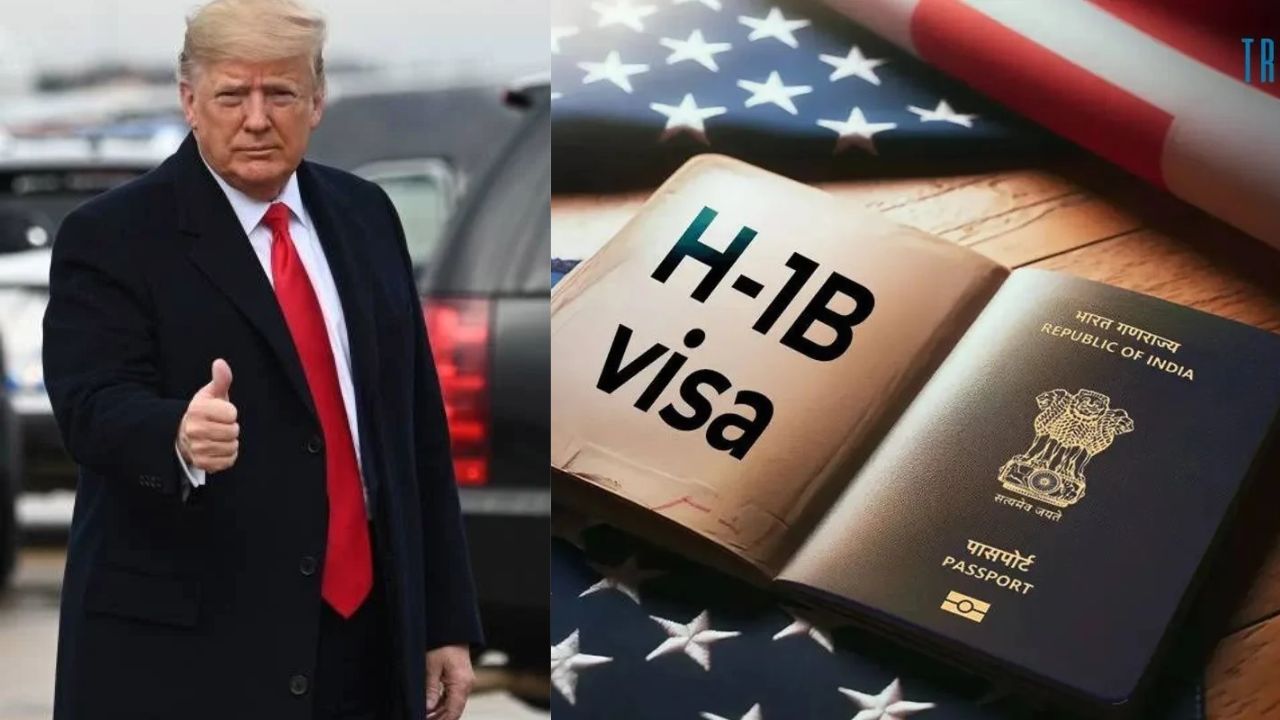
Silicon Valley dreams face new challenges after US visa policy shift. (Img: Pinterest)
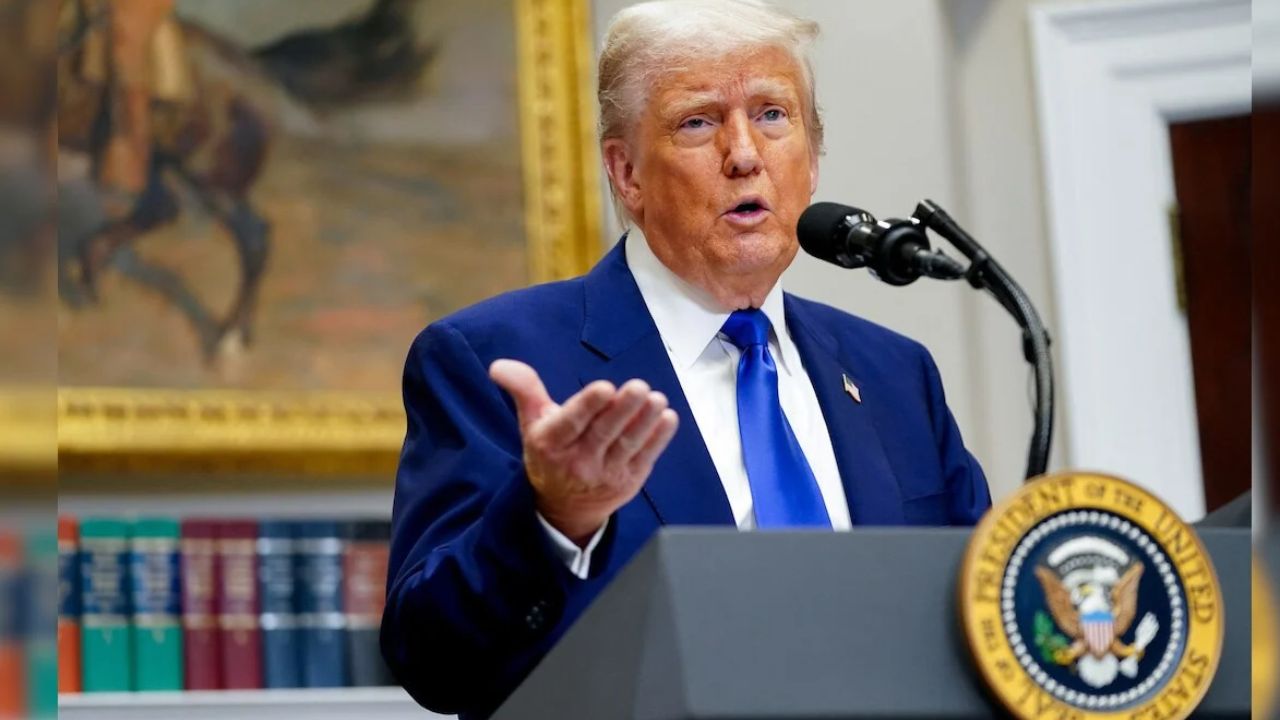
Washington DC: The United States’ decision to extend the USD 100,000 H-1B visa fee policy until 2027 has triggered a fresh debate among Indian technology professionals, multinational companies and immigration experts. The move comes as the Trump administration continues its broader immigration policy overhaul, focusing on stricter employment-based visa regulations, domestic workforce protection and increased scrutiny of foreign worker recruitment.
For Indian engineers, software developers and technology specialists, the H-1B visa has long served as a gateway to opportunities in the US technology sector. The latest extension has raised concerns over hiring costs, employer sponsorship decisions and the future of global talent mobility.
The H-1B visa is a non-immigrant employment visa that allows US companies to hire foreign professionals for specialised occupations requiring technical expertise. The programme has traditionally supported industries including information technology, engineering, healthcare, research and advanced technology.
The Trump administration’s extension keeps the additional USD 100,000 fee requirement active for specific H-1B workers entering the United States from abroad. The policy represents a major shift in the cost structure of hiring international talent and could influence how companies approach overseas recruitment.
The administration has argued that stricter regulations are necessary to prevent misuse of the visa system and ensure that companies prioritise highly skilled workers. Critics of tighter restrictions have raised concerns that higher barriers could reduce access to global expertise and affect industries dependent on specialised talent.
Indian professionals are among the largest beneficiaries of the H-1B visa programme. Thousands of Indian software engineers, developers, data scientists, cloud specialists and technology consultants use the visa route to work with American companies and multinational organisations.
Over the years, the H-1B pathway has played an important role in strengthening India-US technology cooperation and enabling movement of skilled professionals between global offices. The new fee structure could create additional challenges for Indian workers because companies may reconsider sponsorship decisions due to increased financial obligations.
While experienced professionals with specialised skills may continue to attract employer support, early-career engineers and fresh graduates could face tougher competition.
The H-1B extension could reshape the recruitment strategy of technology companies operating globally. Employers may evaluate alternatives such as hiring more workers within the United States, expanding offshore technology centres and increasing remote work opportunities.
Indian IT companies with large US operations may also review workforce planning strategies as higher immigration costs could influence employee movement.
The technology industry is already undergoing major transformation due to artificial intelligence, automation and changing workplace models. The latest H-1B policy could further accelerate the shift towards flexible global workforce management.
The H-1B programme has become a major part of the wider US political debate on immigration, employment and economic competitiveness. The Trump administration has positioned the policy as part of its broader “America First” approach, arguing that immigration rules should protect domestic workers and prevent companies from replacing American employees with lower-cost foreign labour.
Government officials have also raised concerns about certain outsourcing models and staffing practices connected with H-1B hiring. Technology companies and industry groups, however, have argued that foreign professionals contribute significantly to innovation, research and economic growth.
They maintain that access to global talent remains important for maintaining US leadership in technology sectors. The debate reflects a broader policy challenge of balancing domestic employment priorities with the demand for specialised skills in a global economy.
The impact of the H-1B extension may be felt differently across professional categories. Young engineers and entry-level technology workers could face greater challenges if companies become more selective about sponsoring visas. Employers may prefer candidates with advanced expertise, higher salaries or specialised knowledge to justify the additional cost involved.
Professionals working in artificial intelligence, cybersecurity, semiconductor technology, robotics, cloud computing and advanced software development may continue to see demand because of industry requirements. The changing environment could encourage Indian professionals to focus more on specialised skills and international career alternatives.
The evolving H-1B landscape may encourage professionals to explore multiple career pathways. Apart from US-based opportunities, Indian technology workers are increasingly looking at global remote roles, multinational companies’ India operations and opportunities in emerging technology hubs worldwide.
India’s expanding digital economy, startup ecosystem and technology services sector are also creating new opportunities for skilled professionals. However, for many workers, the United States remains a preferred destination because of its advanced technology ecosystem and global career exposure.
The future of the H-1B fee policy will depend on regulatory developments, legal proceedings and possible changes in US immigration priorities. Companies, immigration professionals and foreign workers are closely monitoring implementation rules and government decisions.
For Indian IT professionals, the latest extension represents a significant development in the future of global employment mobility. The H-1B route remains an important pathway for skilled workers, but the process is expected to become more expensive, competitive and closely monitored in the coming years.