English
 English

Tariff shock and its impact on Americans
New Delhi: Pompous Donald Trump may have believed he was “Making America Great Again” by continuing his tariff tirade and rolling out sweeping trade barriers across the world in the name of bolstering the US economy.
However, the reality is far more harsh. The true cost of these tariffs has been borne almost entirely (96%) by Americans themselves. Global exporters, rather than cutting prices to absorb the blow, largely held their rates steady and instead reduced shipments to the United States—turning the tariff policy into an economic self-goal for American consumers and businesses, says the Kiel Policy Brief in its latest report.
AI, Tariffs And Tough Talk: Trump draws sharm criticism over Greenland and Gaza push
In April 2025, the United States imposed one of the largest tariff hikes in its history under the so-called “Liberation Day” policy. A baseline 10% tariff was applied to most imports, with much higher rates for specific countries and sectors such as autos, steel, and aluminum. In some cases, tariffs crossed 100%. The US government claimed these measures would make foreign countries “pay” while protecting American interests.
The key question examined in this study is whether foreign exporters absorbed these tariffs by cutting prices or whether the burden was passed on to US buyers. Using detailed shipment-level data, the research finds that nearly 96% of the tariff cost was paid by American importers and consumers, while foreign exporters absorbed only about 4%. This means tariffs functioned more like a tax on Americans rather than on foreign producers.
The study analyzes over 25 million individual shipments worth nearly $4 trillion, tracking prices, quantities, and tariff changes in real time. Results show that import prices in the US rose almost one-for-one with tariffs, while export prices from foreign sellers remained largely unchanged. Instead of lowering prices, exporters responded by reducing the volume of goods shipped to the US.
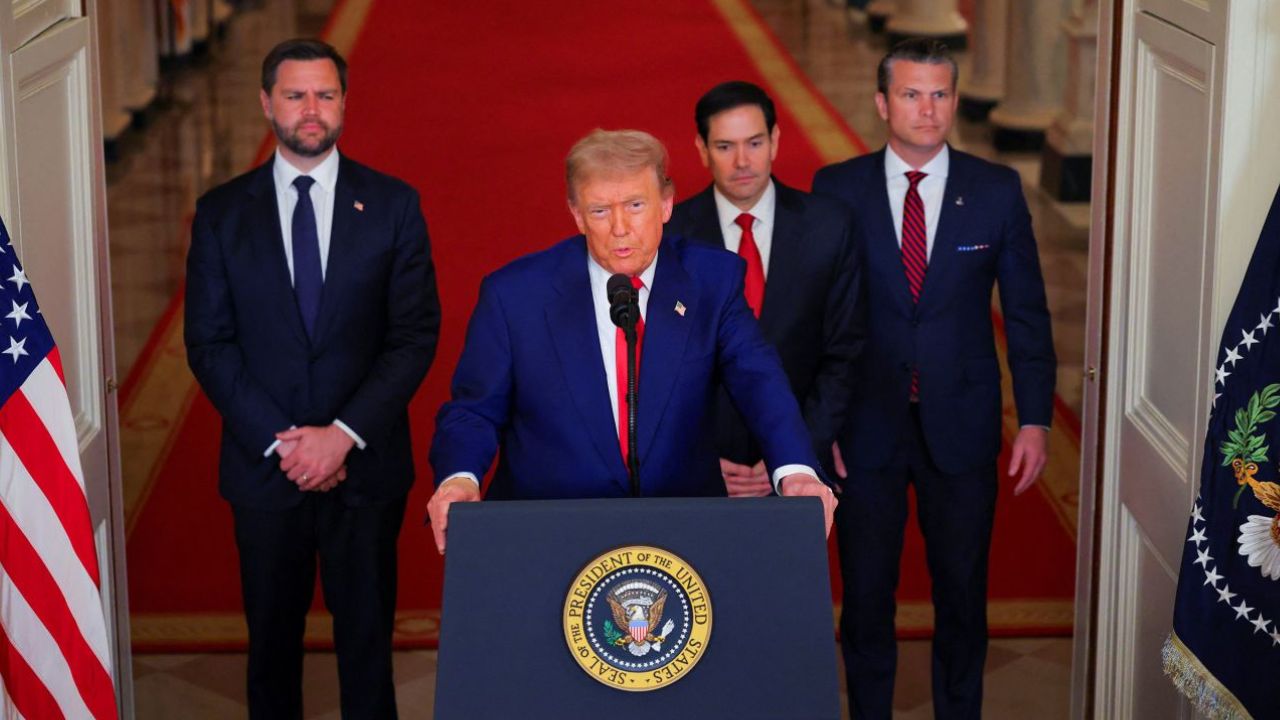
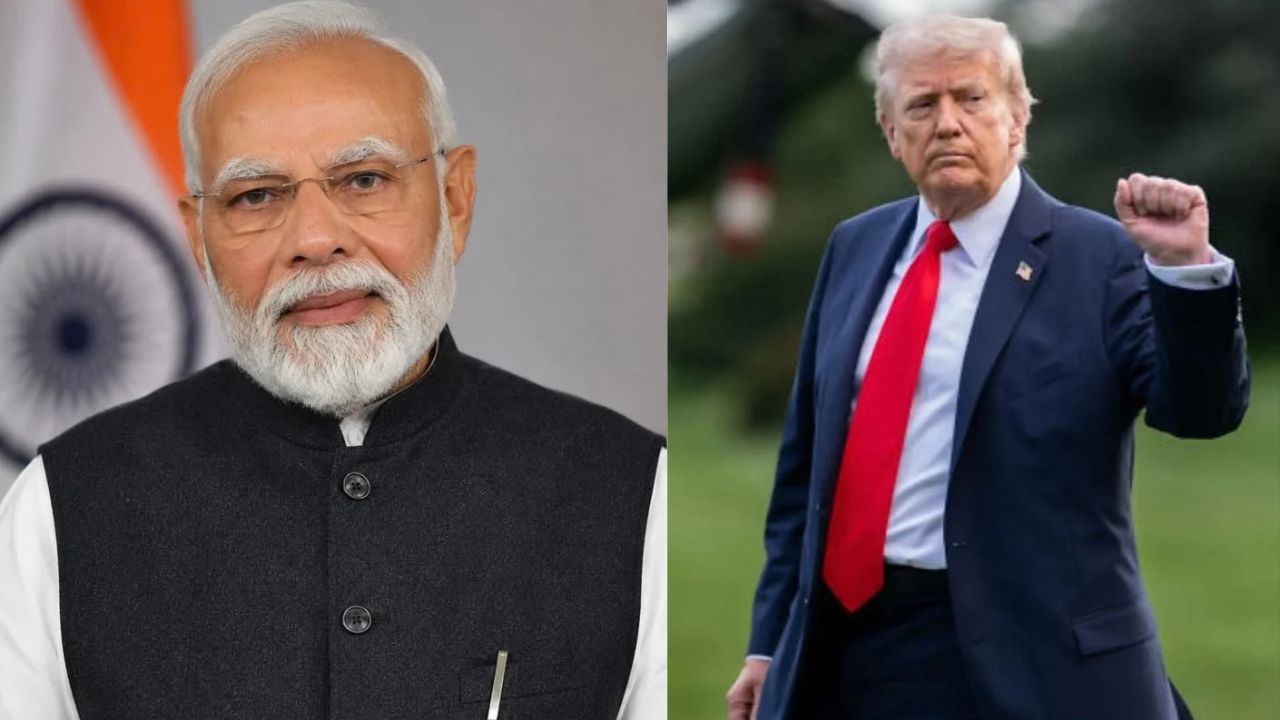
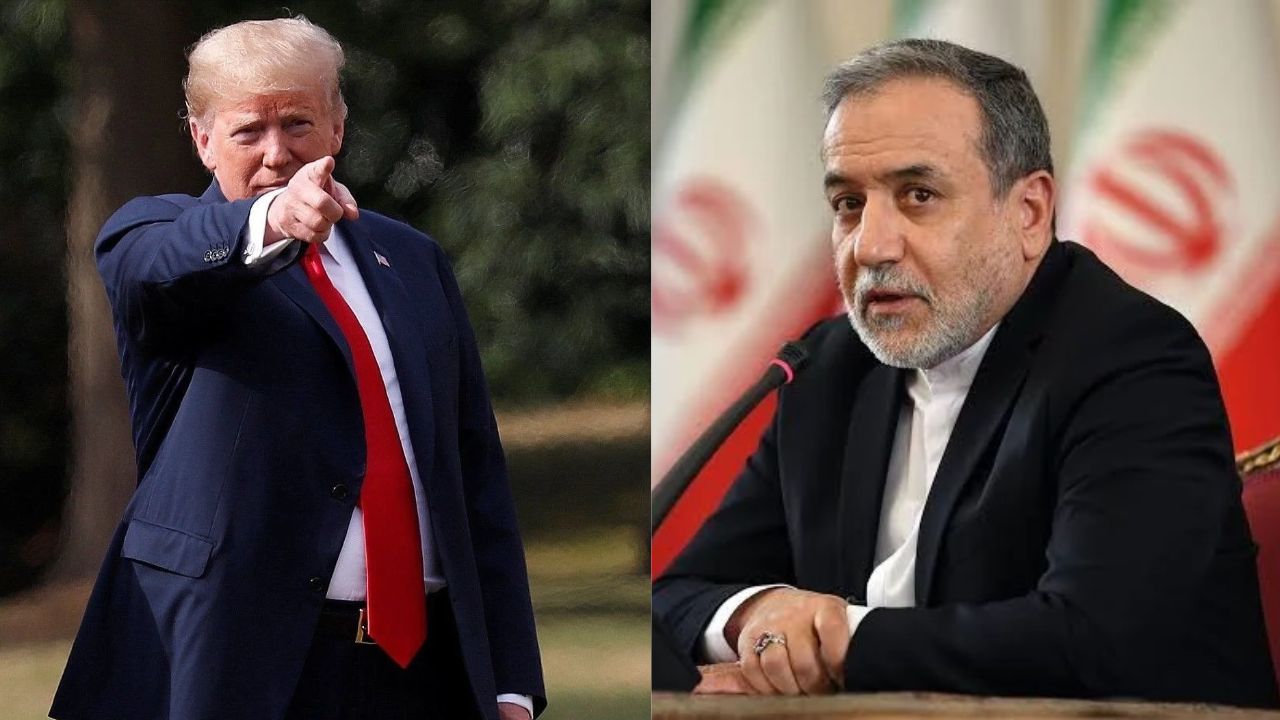
US President Donald Trump (Source: Internet)
Two clear examples support these findings. In August 2025, Brazil faced a sudden 50% US tariff. Export prices did not fall, but trade volumes dropped sharply. Similarly, India faced tariffs rising from 25% to 50%. Indian export data shows exporters maintained prices to the US and instead shipped fewer goods, redirecting exports to other markets. This confirms that exporters did not “eat” the tariffs.
US customs revenue rose by around $200 billion in 2025, but this money came almost entirely from American businesses and households. Importers paid higher costs, companies faced disrupted supply chains, and consumers ultimately bore the burden through higher prices and reduced product choices.
Global Market Meltdown: Sensex and Nifty Sink as Trump’s Tariff Threats Rattle World Markets
The study concludes that the 2025 tariffs were an economic own goal. Rather than forcing foreign countries to pay, the policy shifted costs onto Americans, reduced trade volumes, and created inefficiencies—without delivering the promised benefits.