 English
 English

Udichi Shilpi Gosthi office attacked in Dhaka.
Dhaka: Cultural organisations in Bangladesh have recently faced violent attacks as tensions escalate across the country. On Friday, the office of Udichi Shilpi Gosthi, Dhaka’s largest cultural institution, was set ablaze. Founded in 1968 by revolutionary writers including Satyen Sen and Ranesh Das Gupta, Udichi played a key role in promoting Bengali identity during the liberation movement that led to the creation of Bangladesh in 1971.
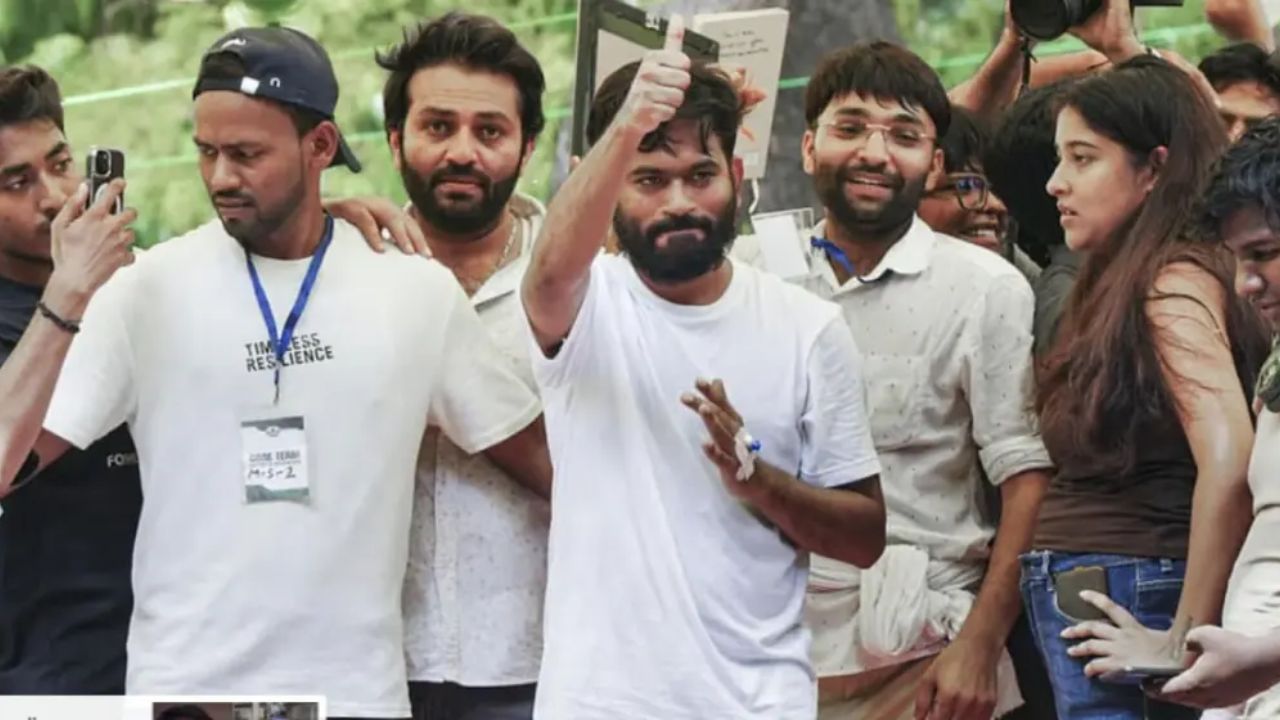
The organisation has received numerous accolades over the decades, including the prestigious Ekushey Padak in 2013. Members of Udichi staged a protest in Dhaka following the attack, criticising the interim government led by Muhammad Yunus and law enforcement authorities for failing to secure the premises despite prior warnings.
The assault on Udichi is part of a wider wave of unrest triggered by the death of anti-India radical leader Sharif Osman Hadi. Offices of prominent newspapers such as Prothom Alo and The Daily Star were also attacked, while the building of Chhayanaut, another leading cultural institution, was ransacked.
Udichi general secretary Amit Ranjan Dey stated that miscreants were able to set fire to their office without resistance, highlighting the interim administration’s failure to prevent violence against institutions that preserve Bengali heritage.
Organisations like Udichi and Chhayanaut have long faced opposition from conservative political groups, particularly Jamaat-E-Islami Bangladesh, which historically maintained ties with Pakistan. During the liberation war, these groups opposed celebrations of Bengali icons such as Rabindranath Tagore. Chhayanaut was founded in defiance of a Pakistan-era ban on Tagore centenary celebrations and has since symbolised Bengali identity and culture.
Many analysts suggest that the attacks follow a familiar pattern in which radical groups and political actors seek to undermine institutions that promote secularism and national identity.
Who was Dipu Chandra Das? Hindu man lynched by mob amid Bangladesh violence
Following Sheikh Hasina’s ouster and the formation of the interim government under Muhammad Yunus, relations between Dhaka and Islamabad have intensified. Visa-free access for diplomats and military personnel, direct flights, and shipping routes between Karachi and Chittagong have been introduced. Reports also indicate the possible presence of an ISI Special Cell operating from within the Pakistan High Commission in Dhaka.
Observers argue that the interim government’s leniency toward groups like Jamaat and the rising incidents of violence against media and cultural organisations reflect a strategy aimed at destabilising Bangladesh. The murder of Dipu Chandra Das and subsequent attacks on newspapers and cultural institutions are being interpreted as part of this broader pattern.
No evidence of blasphemy found against Hindu man lynched in Bangladesh: Officials
These attacks have not only targeted cultural institutions but have also raised serious concerns about the safety of minority communities in Bangladesh. The interim government has been criticised for failing to prevent such violence, which has sparked widespread protests and fears over the protection of Bengali cultural heritage.