 English
 English
Cuba is facing a deepening economic and humanitarian crisis as fuel shortages, daily blackouts, and soaring prices disrupt life in Havana and beyond. With pressure mounting from abroad, ordinary Cubans are struggling to meet basic needs.
Cuban's Life Reduced to Survival
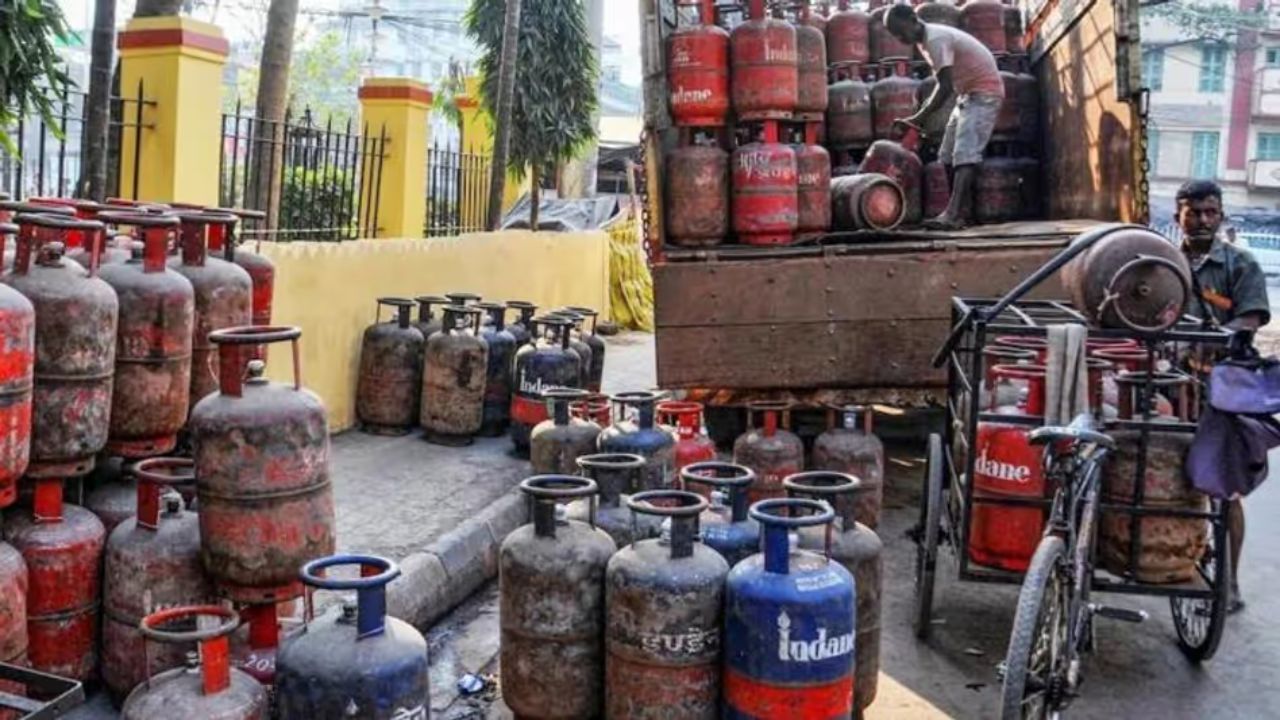
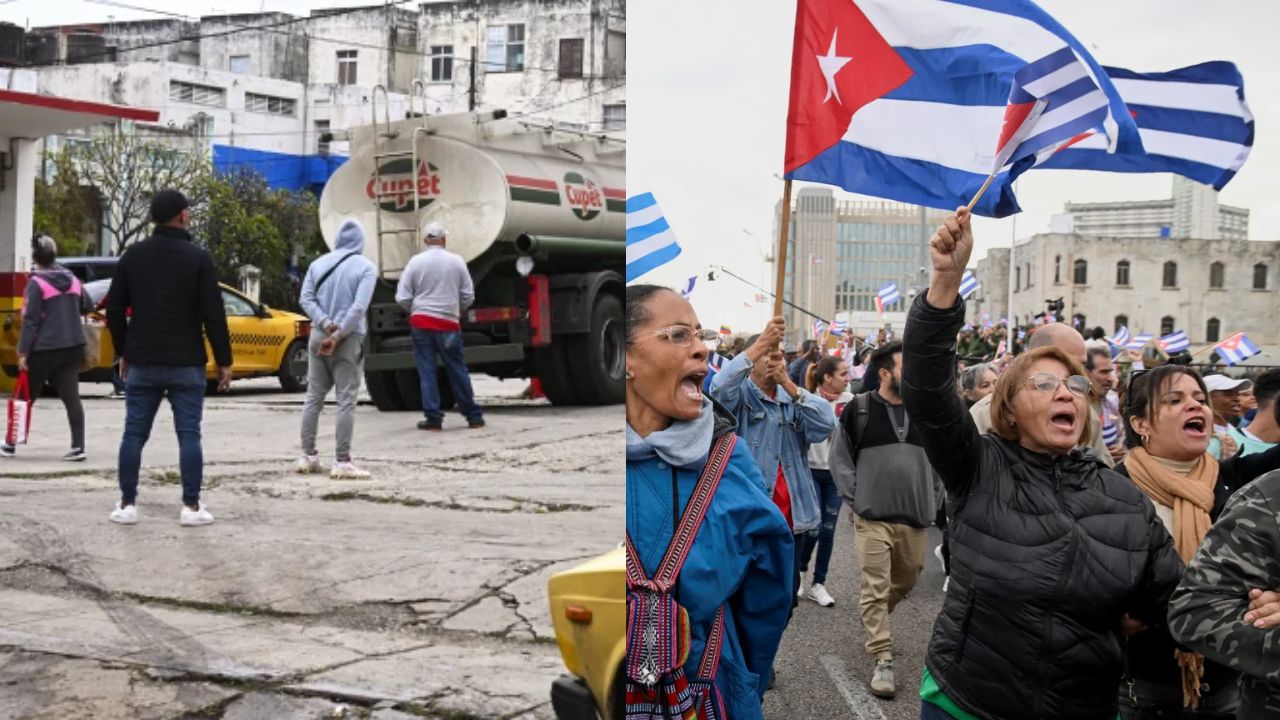
New Delhi: Across Cuba, people from all backgrounds are increasingly focused on survival rather than stability or progress. Prolonged electricity blackouts, rapidly rising prices for food, fuel, and transport, and shrinking access to essential services have pushed daily life to its limits. Families are now prioritizing basics like cooking fuel, drinking water, and finding affordable food.
For years, Cuba’s rural areas endured frequent power cuts and infrastructure failures, while Havana managed to cope comparatively better. That balance has now collapsed.
The capital, once relatively insulated, is experiencing the same extended blackouts and fuel shortages that have plagued the countryside for decades. Traffic lights go dark, water pumps stop working, and entire neighborhoods remain without electricity for up to 12 hours a day.
‘They Hate Each Other’: Trump on why Russia-Ukraine peace talks are difficult
The suspension of oil supplies from traditional partners has sharply reduced fuel availability. Gasoline sales in local currency have largely stopped, forcing purchases in dollars—something most Cubans do not have access to. Long lines at fuel stations have become common, and transportation costs have surged.

US President Donald Trump (Source: Internet)
Public buses have reduced services, while private taxis are charging far higher fares just to stay operational. Even electric vehicles, once seen as a solution, are affected because frequent power outages limit charging time.
The Cuban peso has rapidly lost value against the U.S. dollar, making imported food and basic goods far more expensive. Salaries have failed to keep pace with inflation, leaving households unable to cope with rising costs. Many older residents who once depended on government ration systems now find themselves without that safety net, which was scaled back after the pandemic.
Despite worsening conditions, widespread protests have not yet materialized. Strict controls on dissent and the emigration of millions in recent years have weakened organized opposition. Still, frustration is deep. Many citizens quietly express that change is necessary, even if they feel powerless to influence it.
Simple tasks now carry uncertainty. Commuters spend hours traveling due to limited transport. Power outages increase road accidents as traffic systems fail. Street vendors, pensioners, and low-income workers are struggling to afford food, and some fear hunger more than politics.
Trump Signals Talks but Warns of Force as U.S.–Iran Tensions Edge Closer to Conflict
Many Cubans feel trapped between internal economic failures and external pressure. While they have endured hardship for decades, the current crisis feels different in scale and intensity. Hope is thin, expectations are low, and for many, the focus is no longer on the future—but on getting through the next day.