 English
 English

Tehran in flames and no-fly zones
New Delhi: Tensions in the Middle East have intensified sharply amid growing fears of a potential U.S. military strike on Iran. The situation escalated after former President Donald Trump confirmed that an additional U.S. aircraft carrier is moving toward the region, adding to an already significant naval presence.
The deployment of the USS Abraham Lincoln in the Gulf of Oman has heightened global anxiety over a possible strike on Tehran. The U.S. has significantly increased its military strength near Iran, deploying aircraft carriers, fighter jets, and support vessels to strategic locations.
Washington has indicated that the goal is to pressure the Iranian leadership and potentially weaken the regime, which could lead to internal political shifts. These actions have caused widespread concern across the region.
US–Iran Standoff Intensifies: Tehran announces naval drills near US warships in strait of Hormuz
Due to the increasing threat, Iran temporarily closed parts of its airspace, including Tehran’s, on January 14–15, 2026. While the airspace was later reopened, only limited flights under strict supervision are currently permitted. The European Union Aviation Safety Agency has advised all airlines to avoid Iranian airspace until February 16, citing the risk of military action.
Several major international airlines, including those from India, Germany, the UK, and France, have rerouted flights or suspended services that would normally cross Iranian airspace. These changes have resulted in longer travel times and increased operational costs for the airlines.
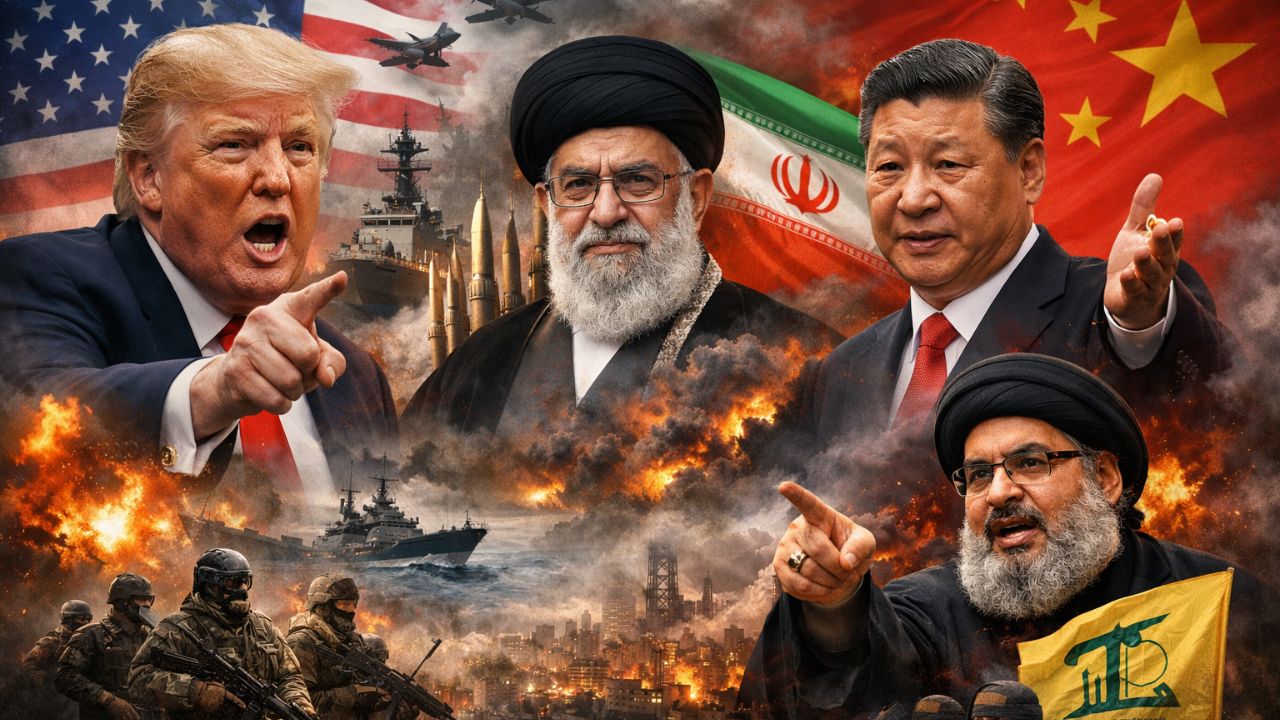
West Asia on Edge as US–Iran Tensions Escalate
Neighboring countries such as Qatar, the UAE, and Oman have not officially closed their airspace but are closely monitoring the situation. In a precautionary measure, the U.S. reportedly moved some non-essential assets from Al Udeid Air Base in Qatar.
Trump Signals Talks but Warns of Force as U.S.–Iran Tensions Edge Closer to Conflict
Despite ongoing diplomatic efforts, the risk of a military strike remains. President Trump publicly confirmed a significant naval buildup near Iran, signaling readiness for potential action. Iran has placed its military on high alert. Iranian Chief of Staff Amir Hatemi warned that any attack would be met with a swift and violent response. Western intelligence assessments suggest that if diplomacy fails, attacks on Iran’s nuclear and missile facilities could be imminent.