English
 English
Iran confirmed the killing of Basij commander Gholamreza Soleimani in a targeted strike and vowed retaliation. The incident marks a major escalation in the Iran-Israel conflict, raising concerns over regional stability and further military confrontation.
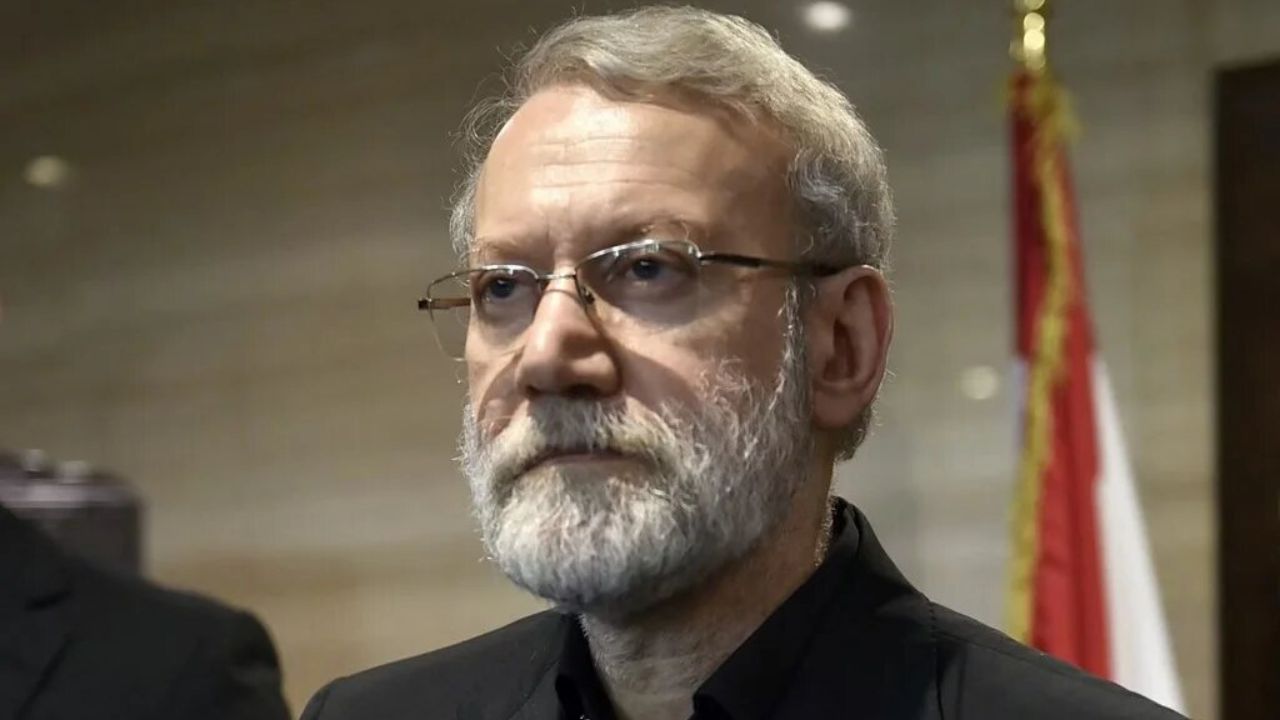
Basij commander Gholamreza Soleimani (Image Source: Internet)
New Delhi: Iran has acknowledged the killing of a top commander of its Basij paramilitary force, marking a significant escalation in the ongoing conflict. The Basij operates under the powerful Islamic Revolutionary Guard Corps and plays a crucial role in maintaining internal security.
The commander, identified as Gholamreza Soleimani, was one of Iran’s most influential security figures. He led the Basij force for several years and was known for overseeing internal crackdowns and maintaining order across the country, reports Dynamite News correspondent.
Israel claimed responsibility for the targeted strike, stating that it was based on precise intelligence and carried out deep inside Iranian territory. Initially, Iran had not confirmed the reports, but later acknowledged the loss, signaling the seriousness of the attack.
The Basij is a volunteer paramilitary group formed after the 1979 Iranian Revolution. It is responsible for internal security, suppressing dissent, and supporting the IRGC during conflicts. The force has been a key pillar of Iran’s domestic control system.
Iran Confirms Death of Basij Commander
IRGC acknowledges the killing of Basij chief in a strike and vows continued resistance in response.#Iran #IRGC #MiddleEastTensions #Basij #Geopolitics pic.twitter.com/tO8zXjrred
— Dynamite News (@DynamiteNews_) March 17, 2026
Following the confirmation, Iranian authorities vowed continued resistance and warned of retaliation. The leadership described the killing as part of a broader attempt to weaken Iran’s command structure but insisted that operations would continue without disruption.
The killing comes amid intense fighting between Iran and Israel, where several high-ranking officials have reportedly been targeted. This incident is seen as one of the most significant blows to Iran’s leadership in the current war.
The situation has further escalated tensions in West Asia, raising fears of a prolonged conflict. With both sides showing no signs of backing down, the risk of wider regional instability continues to grow.