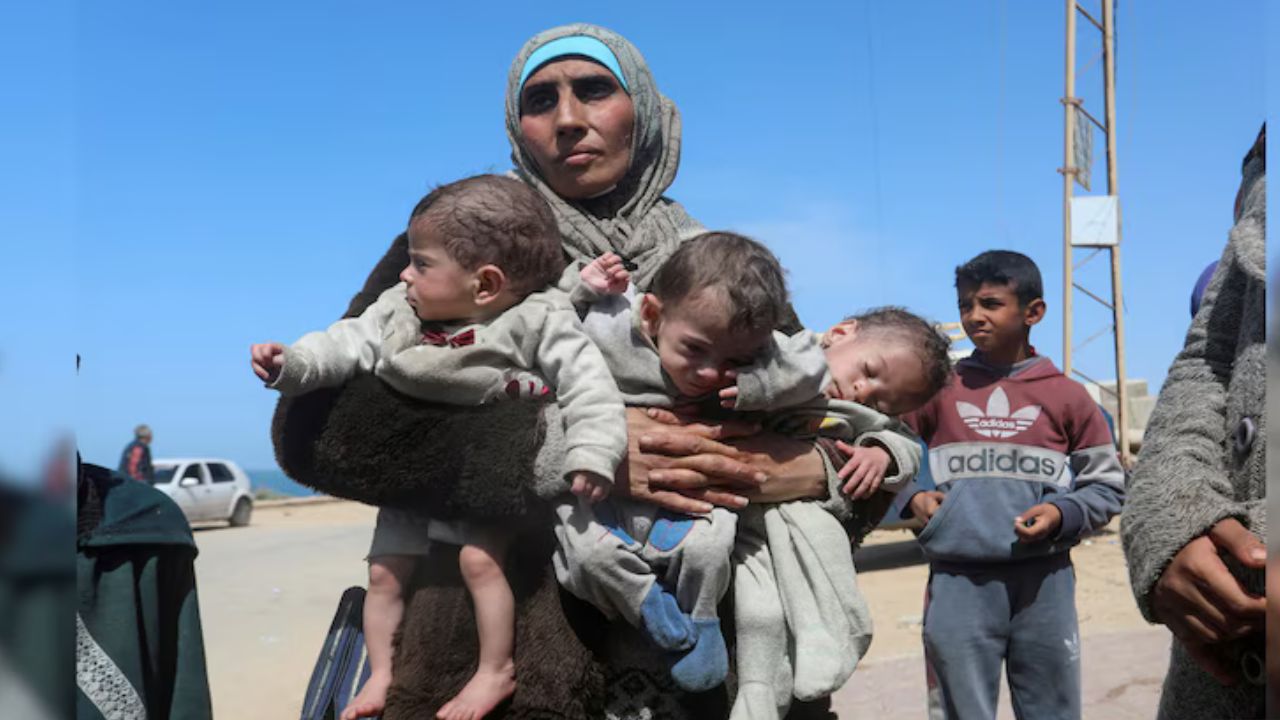
UN urges increased aid access and funding.
Gaza: The United Nations has announced that the famine declared in Gaza in August is now over, thanks to increased access for humanitarian aid. However, the food situation in the Palestinian territory remains extremely critical. Over seventy per cent of Gaza’s population continues to live in temporary shelters, with hunger worsened by winter floods and the risk of hypothermia as temperatures drop.
Although a ceasefire between Israel and Hamas, implemented in October, has partially eased restrictions on goods and aid, the delivery of supplies is inconsistent and uneven across Gaza. The Integrated Food Security Phase Classification Initiative (IPC), which monitors crises, reported that no areas are classified as experiencing famine, but the entire Gaza Strip remains in an emergency state.
Despite improvements in food security since August, around 1.6 million people in Gaza are forecast to face crisis-level food insecurity through mid-April. In a worst-case scenario involving renewed hostilities or a halt in aid, regions including North Gaza, Gaza Governorate, Deir al-Balah, and Khan Younis could face famine once again.
Top Hamas commander killed in Gaza, Israel claims amid rising tensions
UN agencies have emphasized that malnutrition, disease, and the destruction of agriculture continue at alarming levels. Current humanitarian assistance addresses only the most basic survival needs, leaving millions vulnerable. The UN stresses that large-scale access, supplies, and funding are essential to prevent famine from returning.
The UN’s initial famine declaration in August drew criticism from Israel, with officials denying the findings. Despite the improved situation, organizations like Oxfam report that aid remains blocked. Oxfam has $2.5 million in aid and 4,000 food parcels stranded at the border, unable to reach the people who need them most.
Rebuilding Gaza Must Be the World’s Priority to Achieve Lasting Peace
Access to water, sanitation, and hygiene remains extremely limited, with overcrowding and open defecation raising the risk of disease outbreaks. Over ninety-six per cent of cropland is damaged or inaccessible, and livestock has been decimated, leaving residents vulnerable to food insecurity even without famine conditions.
UN Secretary-General Antonio Guterres highlighted the ongoing humanitarian suffering in Gaza and called for increased aid access, lifting of restrictions, safe routes for relief, and sustained funding. He also warned that the West Bank faces escalating violence, demolitions, and movement restrictions, underscoring the broader challenges for Palestinians in the region.

