 English
 English

India's 'Neighbourhood First Policy' Faces its Toughest Test in 2026
New Delhi: The beginning of 2026 is set to be a crucial period for India's neighboring countries. Bangladesh, Pakistan, and Nepal are all grappling with deep political and social crises. Electoral systems are under question in some places, military influence is growing in others, and unemployed and angry youth are taking to the streets.
The instability in these three countries could have a direct impact not only within their borders but also on India's security, diplomacy, and regional role. In this context, India's 'Neighbourhood First' policy is about to face its most challenging test yet.
The Situation in Bangladesh
The biggest test for Bangladesh in 2026 will be the general elections scheduled for February. For more than a decade, Sheikh Hasina and the Awami League held power, but according to critics, this was a managed democracy where dissent was
ruthlessly suppressed. The situation became even more complex after Hasina's departure from power and the formation of an interim government led by Nobel laureate Muhammad Yunus. Anti-India protests, revenge politics, administrative paralysis, and a power vacuum ensued.
With the Awami League out of the election, the contest is between three forces. First, the National Citizens Party, which emerged from the student movement and advocates for anti-corruption and secular reforms, but its organizational weakness and internal divisions are significant challenges.
Second, Jamaat-e-Islami, which has regained legitimacy. This organization is making a comeback on the strength of its madrassa network and street power, positioning itself as a kingmaker with an anti-India agenda. This poses a threat to Bangladesh's secular framework.
Third is the Bangladesh Nationalist Party, which had been suppressed for a long time. Party leader Tarique Rahman has returned to the country after 17 years. He enjoys popularity, but it remains unclear whether this will translate into votes.
The future direction of Bangladesh is at stake. On one hand, there is the $50 billion garment export industry and a growing economy, and on the other hand, the resurgence of Islamic politics. With over 40% youth unemployment, floods, a 4% decline in GDP, and strained relations with India, the risk of extremism, a refugee crisis, and instability could increase if the elections are not fair.
Military Dominance in Pakistan
In Pakistan, 2026 means a very powerful military and a very weak democracy. Army Chief General Asim Munir has gradually seized power after the 2022-23 political crisis. He is now a Field Marshal and the country's first Chief of Defence Forces. The 27th constitutional amendment has given the military unprecedented power.
Imran Khan's party, PTI, has been virtually sidelined from politics. Imran Khan himself is in jail, but his support base, especially among urban youth and the middle class, remains strong. In messages sent from prison, he has been calling Munir a dictator.
Pakistan's economy is dependent on the IMF and foreign aid. Inflation, power shortages, and the tax burden are crushing ordinary people. The security situation is also dire. TTP attacks are increasing, tensions with Afghanistan and Iran persist, and the situation on the Line of Control with India is volatile. For India, Pakistan is a neighbor that is neither fully stable nor willing to change its strategy.
Youth Anger in Nepal
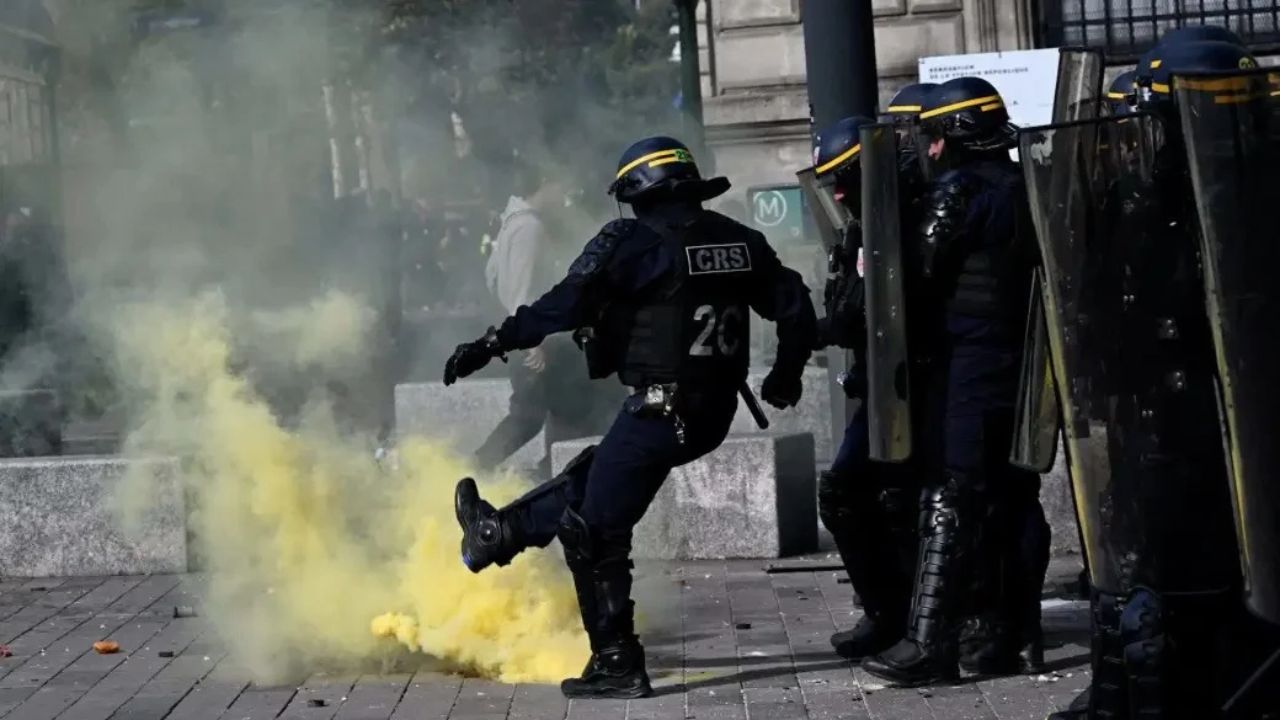
Nepal is heading towards elections in March 2026, but the atmosphere is far from normal. In 2025, youth movements brought down Prime Minister KP Oli's government. More than 40% of young voters are now in the mood for systemic change. Clashes with the police and street battles have made this generation even more aggressive.
Anti-India slogans have become a hallmark of this movement. Several anti-India hashtags, calls for boycotting Indian products, and border disputes are back in the spotlight. The youth want jobs, a crackdown on corruption, jobs in technology and eco-tourism, and climate security.
New parties like the Nepal Youth Vanguard could challenge older parties like the Nepali Congress and the CPN-UML. Maintaining a balance between China and India is a necessity for Nepal, but anti-India sentiment often becomes a political tool in its domestic politics.
What's at stake for India?
The rise of Islamic fundamentalism in Bangladesh, military dominance in Pakistan, and youth discontent in Nepal all pose risks for India. The threats are clear: cross-border terrorism, refugee crises, radicalization, and China's growing influence.
If India can strike the right balance, this also presents an opportunity to accelerate connectivity and energy projects, provide conditional economic assistance, foster regional cooperation through platforms like BIMSTEC, and engage in behind-the-scenes dialogue with all parties.
However, even a slight misstep could further fuel anti-India sentiments. By 2026, India will need to think several moves ahead, like a chess grandmaster, employing a strategy of low visibility but high impact.