 English
 English

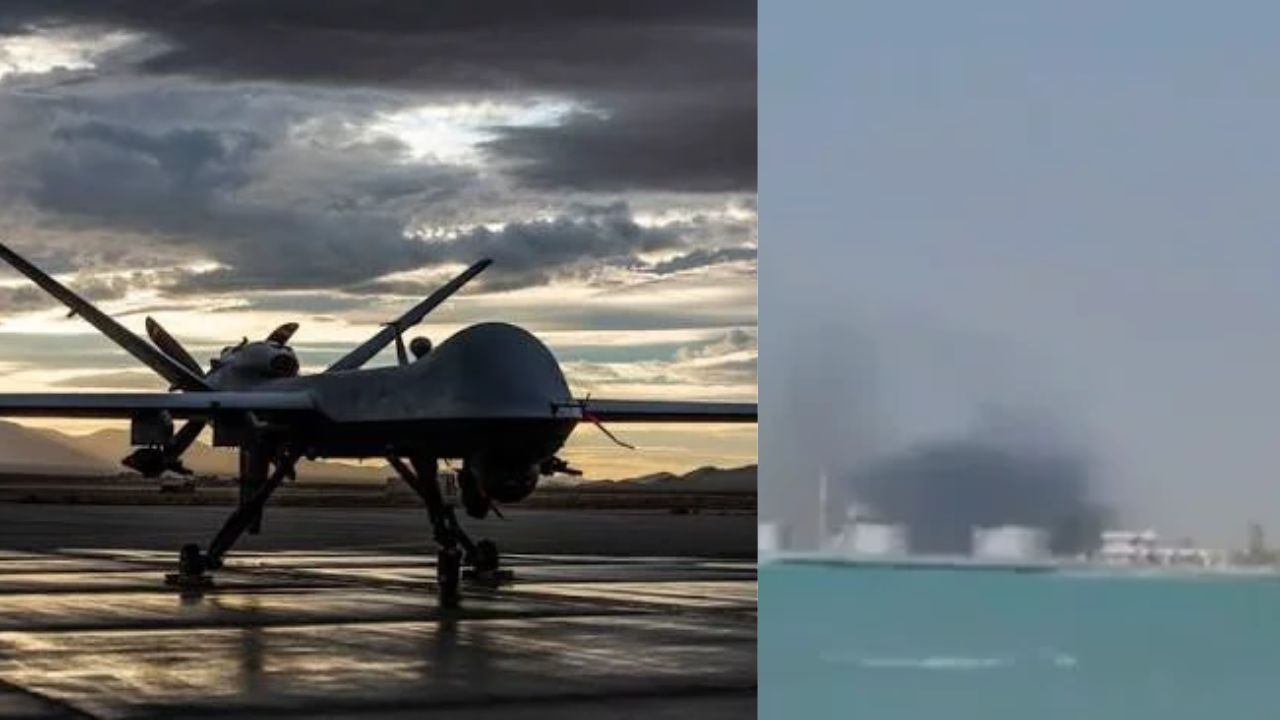
Smoke rises over Bahrain following reports of an Iranian strike on a civilian industrial facility, intensifying concerns over Gulf security. (Img: X)
Manama: The conflict involving Iran, the United States and Israel has entered another dangerous phase after Tehran's Islamic Revolutionary Guard Corps (IRGC) claimed to have launched a coordinated missile-and-drone offensive against US military positions in Bahrain. The escalation comes as Bahraini authorities reported a fire at a civilian industrial facility following an Iranian strike, raising fresh concerns about the vulnerability of critical infrastructure across the Gulf.
Bahrain's Interior Ministry confirmed that a civilian industrial facility had been targeted, triggering a fire at the site. Civil Defence teams were mobilised to contain the blaze, with authorities reporting no casualties. The incident has intensified security concerns in the strategically important Gulf kingdom, which hosts key US military installations and critical energy infrastructure.
The latest developments also coincided with reports of attacks on commercial shipping in the Strait of Hormuz, one of the world's most strategically significant maritime corridors.
Iran's Islamic Revolutionary Guard Corps announced that its aerospace forces had conducted a combined missile-and-drone operation targeting American military positions at the Al-Riffa and Awali bases in Bahrain.
In a statement carried by Iranian state news agency IRNA, the IRGC portrayed the operation as retaliation for what it described as continued American aggression and repeated violations of Iranian airspace.
Earlier, Iran's Fars news agency reported attacks on two US military installations identified as Sheikh Isa and Juffair. The differing facility names appeared in separate Iranian media reports concerning the military operation.
The claims emerged as Bahrain's Defence Force reported intercepting multiple incoming Iranian aerial threats. According to the kingdom's military authorities, air defence systems intercepted several attacks, although falling debris and shrapnel caused material damage. No casualties were reported.
Bahrain's Defence Force accused Tehran of continuing a hostile campaign against the kingdom, underscoring the growing strain on regional security arrangements.
The reported strike on a civilian industrial facility has emerged as a particularly concerning development because of its potential implications for Bahrain's industrial and energy infrastructure.
Bahrain's Interior Ministry confirmed that the attack triggered a fire and that emergency response teams were working to bring the situation under control. Officials did not immediately disclose the precise location or the nature of the targeted installation.
However, residents told AFP that smoke was visible over Sitra Island on Bahrain's eastern coast. The island houses several industrial establishments, including a refinery operated by state-owned oil company Bapco.
Authorities initially issued an emergency alert advising residents to move to the nearest safe location because of a potential security threat. An all-clear notification was subsequently issued, followed by another alert as the situation developed. Civil Defence personnel continued firefighting and containment operations, with no injuries reported.
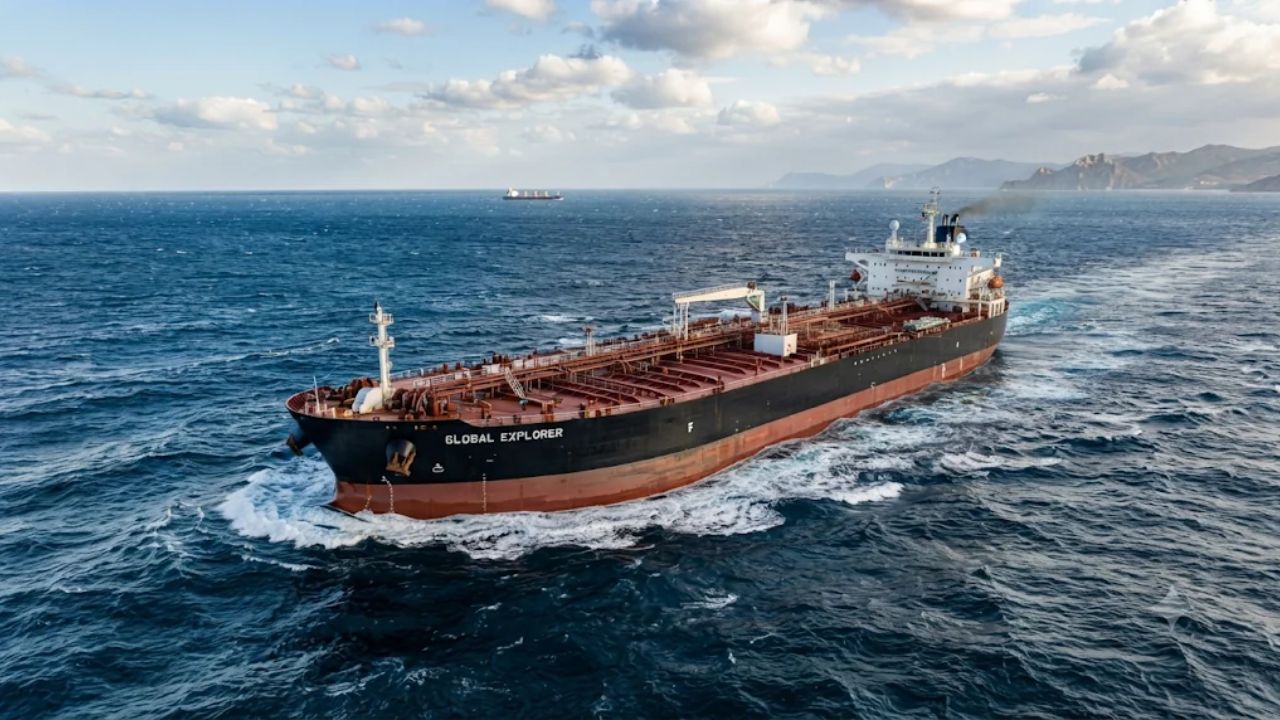
The escalation in Bahrain coincided with reports of two commercial tankers being struck in the Strait of Hormuz, further threatening maritime security and international energy supply chains.
The United Kingdom Maritime Trade Operations (UKMTO) agency reported that one tanker had been hit by an unidentified projectile while navigating the strategic waterway. No casualties were reported at the time, while another vessel sustained damage to its engine room.
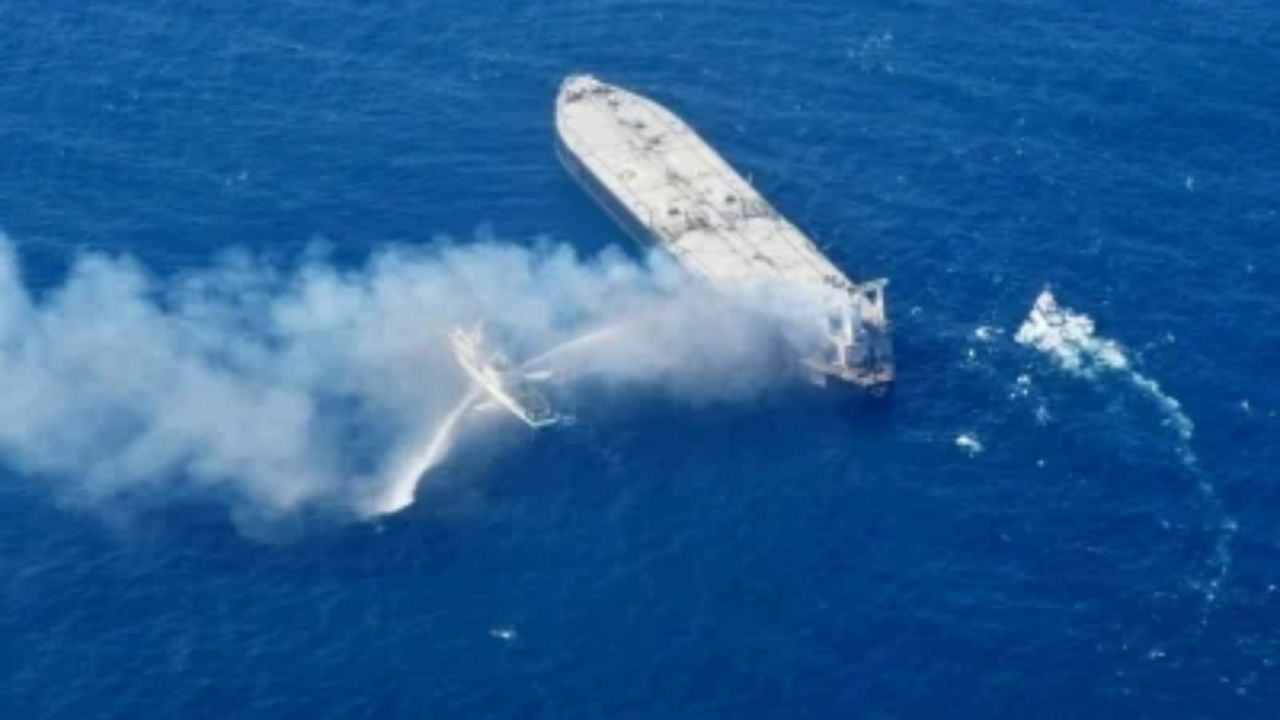
Iran's army subsequently claimed that a vessel had caught fire after entering a restricted maritime zone and striking a mine. According to Iranian state television, the tanker had allegedly disabled its identification and navigation systems, violating maritime warnings and transit regulations.
Tehran has reported multiple ship fires in the Strait of Hormuz in recent weeks, frequently attributing the incidents to mine-related hazards. The US military, meanwhile, has maintained that it cleared mines from the principal shipping routes through the waterway. The competing accounts highlight the uncertainty surrounding maritime operations in the region and the growing risks confronting commercial shipping companies.
Despite the military escalation, Tehran has indicated that diplomatic efforts should be allowed to continue.
Iranian Foreign Minister Abbas Araghchi has called for ongoing regional negotiations to receive an opportunity to progress, while maintaining that the US blockade must be addressed through a negotiated settlement.
Iran's position on reopening the Strait of Hormuz remains closely linked to its broader demands, which include an end to hostilities across all fronts, the release of frozen Iranian assets, the removal of oil sanctions and the termination of the US counter-blockade of Iranian ports.
Iranian Deputy Foreign Minister Kazem Gharibabadi also disclosed that a Qatari delegation had travelled to Tehran on Friday evening and held discussions lasting approximately two hours. However, he did not reveal further details about the discussions or their outcome.
The latest developments carry implications extending well beyond the immediate military confrontation. Bahrain occupies an important strategic position in the Persian Gulf and hosts significant American military assets. Any sustained attacks on military installations or civilian industrial infrastructure could complicate regional security arrangements and increase the risk of further escalation.
The Strait of Hormuz is equally critical to international commerce. It serves as a major transit corridor for global oil and gas shipments, making disruptions particularly consequential for energy-importing economies.
For countries such as India, prolonged instability around the waterway could create additional pressure on crude oil procurement, shipping insurance, freight costs and energy security. The possibility of further attacks on commercial vessels or energy installations could also intensify volatility across international oil markets.