 English
 English

Iran’s Parliament is considering a possible NPT withdrawal as Tehran maintains its position on uranium enrichment amid escalating nuclear tensions. (Images: X)
Tehran: Iran’s nuclear standoff with the West is entering another uncertain phase, with lawmakers in Tehran considering a possible withdrawal from the Treaty on the Non-Proliferation of Nuclear Weapons (NPT) while insisting that uranium enrichment will continue.
Iranian lawmaker Alireza Salimi, a member of Parliament’s presiding board, said on Sunday that the issue of leaving the NPT remains under consideration. He also maintained that Iran would not abandon its enrichment programme, including enrichment at 60%, according to Iran International.
Salimi said Iranian lawmakers have legislation in place supporting enrichment at 60% and indicated that the policy would not be dropped because of diplomatic pressure. His comments come as Tehran faces renewed international scrutiny over its nuclear activities. Iran’s Foreign Ministry has separately said the country remains an NPT member and is aware of its obligations for as long as it remains part of the treaty.
The debate over withdrawal has gained momentum in Iran in recent weeks. Iranian lawmakers have previously pushed a motion seeking the country’s exit from the NPT, arguing that continued membership has failed to protect Tehran from international pressure and military attacks.
A possible Iranian withdrawal from the NPT would represent a major political and diplomatic escalation, but it would not by itself prove that Tehran had decided to develop a nuclear weapon. Iran has repeatedly rejected the claim that it is seeking nuclear weapons. At the same time, the country’s production of uranium enriched to 60% has remained a major proliferation concern. The International Atomic Energy Agency has warned that its ability to monitor Iran’s nuclear programme has been severely affected by the loss of access to key facilities. The agency has said it cannot currently establish the size, composition or location of Iran’s enriched uranium stockpile with the same level of confidence as before.
The nuclear dispute has intensified after the IAEA Board of Governors moved to report Iran’s safeguards non-compliance to the UN Security Council. The September decision came amid concerns over Tehran’s cooperation with international inspectors and the agency’s ability to verify Iran’s nuclear activities. Iran, meanwhile, has argued that its nuclear programme is peaceful and has objected to what it describes as politically motivated pressure from Western countries. The widening dispute has left diplomacy facing a difficult balance between demands for greater nuclear transparency and Tehran’s insistence on retaining its enrichment capabilities.
The NPT debate is unfolding against the backdrop of the wider confrontation between Iran, the United States and Israel. The conflict has brought Iran’s nuclear infrastructure, military capabilities and regional strategy under renewed international attention. Tehran has also maintained that it will respond to attacks and has issued threats of retaliation against senior US and Israeli figures.
The nuclear issue has therefore become closely connected to the broader security crisis in the Middle East, making any move on the NPT potentially significant for future diplomacy.
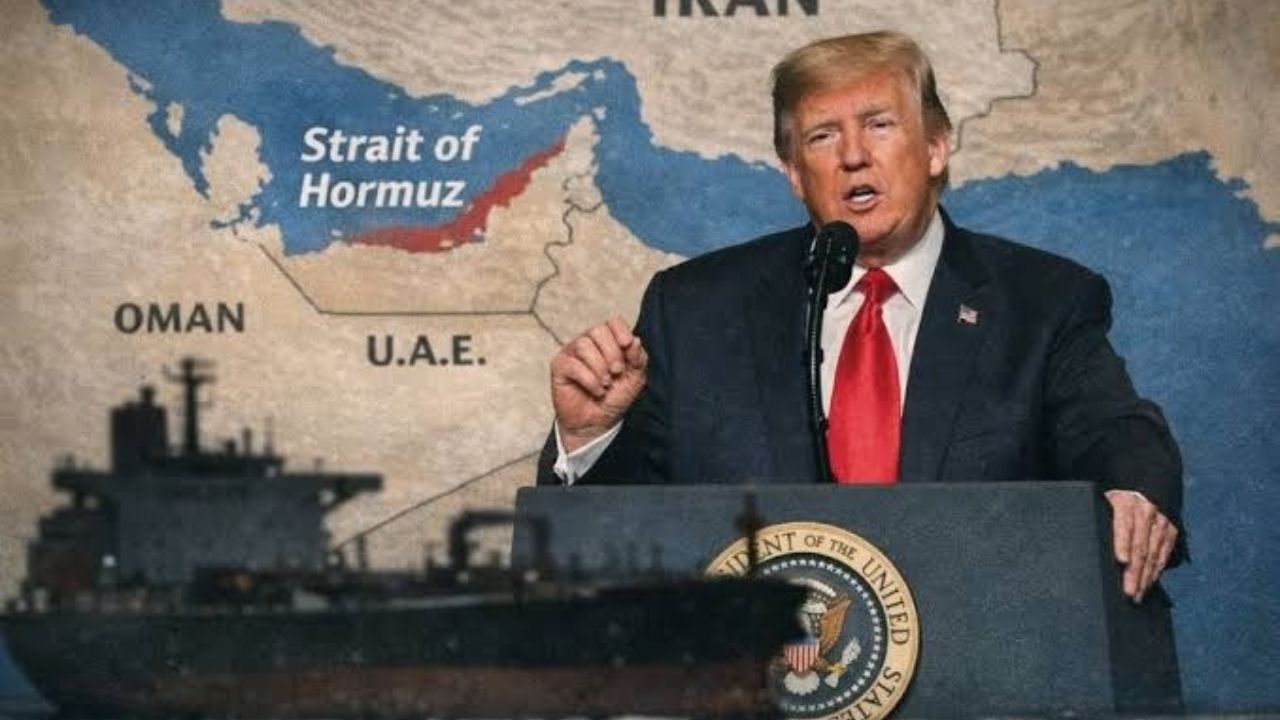
The nuclear dispute is also unfolding alongside the continuing confrontation over the Strait of Hormuz, one of the world’s most important energy routes. Iran has said the waterway will remain closed until Washington meets conditions linked to an earlier agreement. Iranian officials have also rejected suggestions that nuclear inspections are currently being negotiated in exchange for reopening the strait. The strategic waterway remains crucial to global oil and gas shipments. Despite security concerns, energy traffic through Hormuz increased in September, although the route remains vulnerable to further disruption.
The immediate question is whether Iran’s Parliament will formally advance the proposal to leave the NPT or use the possibility of withdrawal as leverage in its broader confrontation with Western powers. For now, Tehran remains committed to uranium enrichment while maintaining that it is still an NPT member and is bound by the treaty’s obligations.
Any formal decision to withdraw would likely further complicate efforts to restore international monitoring and revive diplomatic negotiations over Iran’s nuclear programme.