 English
 English

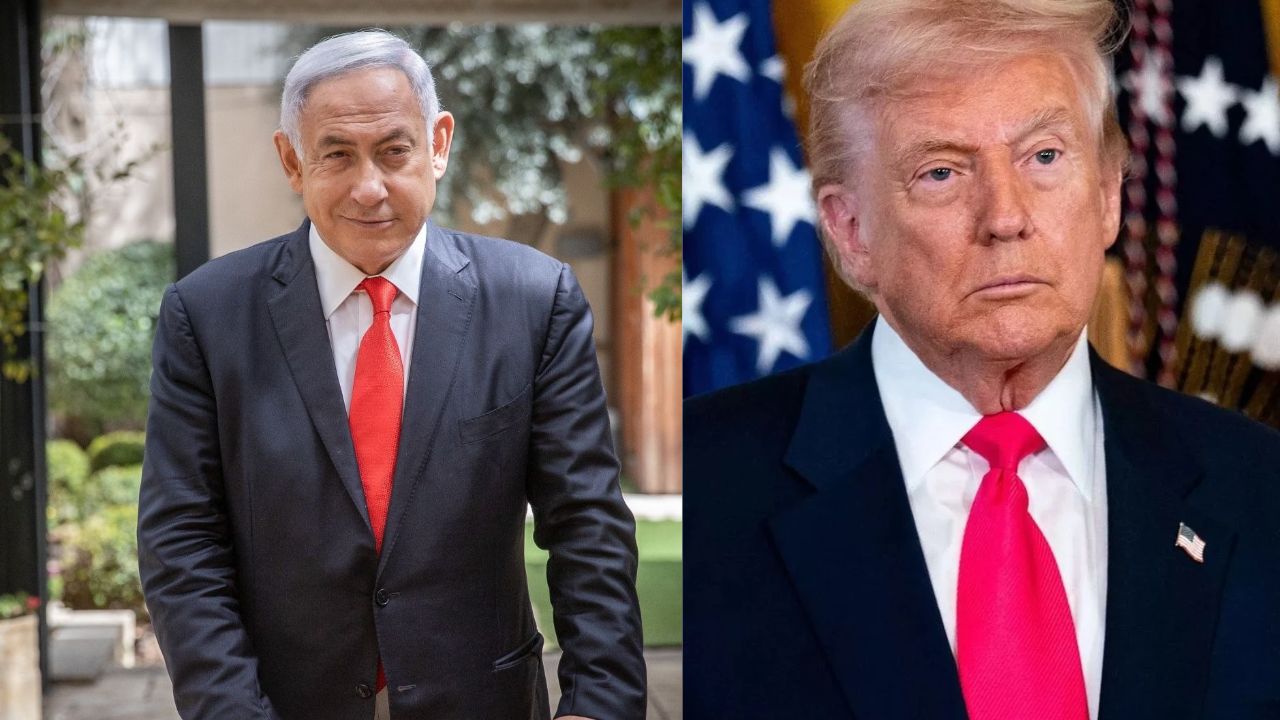
Israel's political future hangs in the balance as Benjamin Netanyahu and Gadi Eisenkot both seek to form the next government following a tightly contested election. (Images: Dynamite News)
Tel Aviv: Israel's latest election has produced a tense political standoff, with Prime Minister Benjamin Netanyahu and opposition challenger Gadi Eisenkot both insisting they have the backing needed to form the next government. Exit polls suggest that neither Netanyahu's right-wing alliance nor Eisenkot's opposition bloc has reached the parliamentary majority required to govern independently.
The election, the first since the October 7, 2023, Hamas-led attack that profoundly shook Israel, has become a major test of public confidence in Netanyahu's leadership. Voter participation reportedly reached its highest level in decades, reflecting the intensity of the political contest and the divisions surrounding the country's direction. Arab Israeli parties recorded notable gains, adding another dimension to the negotiations that could determine who leads the next government.
The exit polls indicate a closely balanced contest between Netanyahu's hard-right camp and the opposition alliance led by Eisenkot, a former military chief who entered electoral politics without the long political career of his rival. Neither side appeared to have secured enough seats to command a majority in parliament. The result leaves Israel facing potentially complicated coalition negotiations, with smaller parties likely to play a decisive role.
Although both leaders expressed confidence about forming a government, the initial projections did not establish a clear winner. Final seat allocations and the positions taken by potential coalition partners will be crucial in determining the outcome.
Netanyahu addressed supporters at a gathering in Jerusalem after 3 a.m., calling for the formation of a strong government led by right-wing parties. He urged what he described as the Jewish and Zionist majority to unite, signalling that his preferred path to power would depend on consolidating support across the right-wing political spectrum. The prime minister, Israel's longest-serving leader, delivered a relatively brief address and stopped short of declaring outright victory. His remarks came as the election projections pointed to a difficult parliamentary arithmetic for his bloc.
Netanyahu's leadership has been marked by a sharp shift towards right-wing politics and military campaigns following the October 2023 attack. The election has once again placed his security policies, political alliances and future in office at the centre of the national debate.
Speaking to supporters in Tel Aviv, Eisenkot challenged Netanyahu's claim to political legitimacy and warned against using national security concerns to secure political advantage. He argued that Netanyahu could not assume he had a public mandate when the election projections failed to establish a clear majority for his camp. Eisenkot also stressed that Israel's security establishment serves the state rather than any individual political leader.
His comments reflected concerns among Netanyahu's critics that a heightened security crisis could be used to encourage the formation of a unity government or reshape the political debate. Eisenkot, however, is not entirely aligned with the left on security matters. He shares several of Netanyahu's positions on national defence and has supported Israel's military offensive in Gaza following the October 7 attack.
One of the most significant developments in the election was the stronger performance of Arab Israeli parties, whose supporters turned out in greater numbers. Their gains could prove important if neither of the main political blocs can assemble a governing majority without additional parliamentary support. Netanyahu has repeatedly argued that Arab Israeli political representation could weaken the Jewish nationalist direction he has pursued. The latest results, however, highlight the role that minority voters and their representatives may play in shaping the next government.
Whether Arab-led parties become formal coalition partners, support a government from outside the coalition or remain in opposition will depend on the negotiations that follow the election.
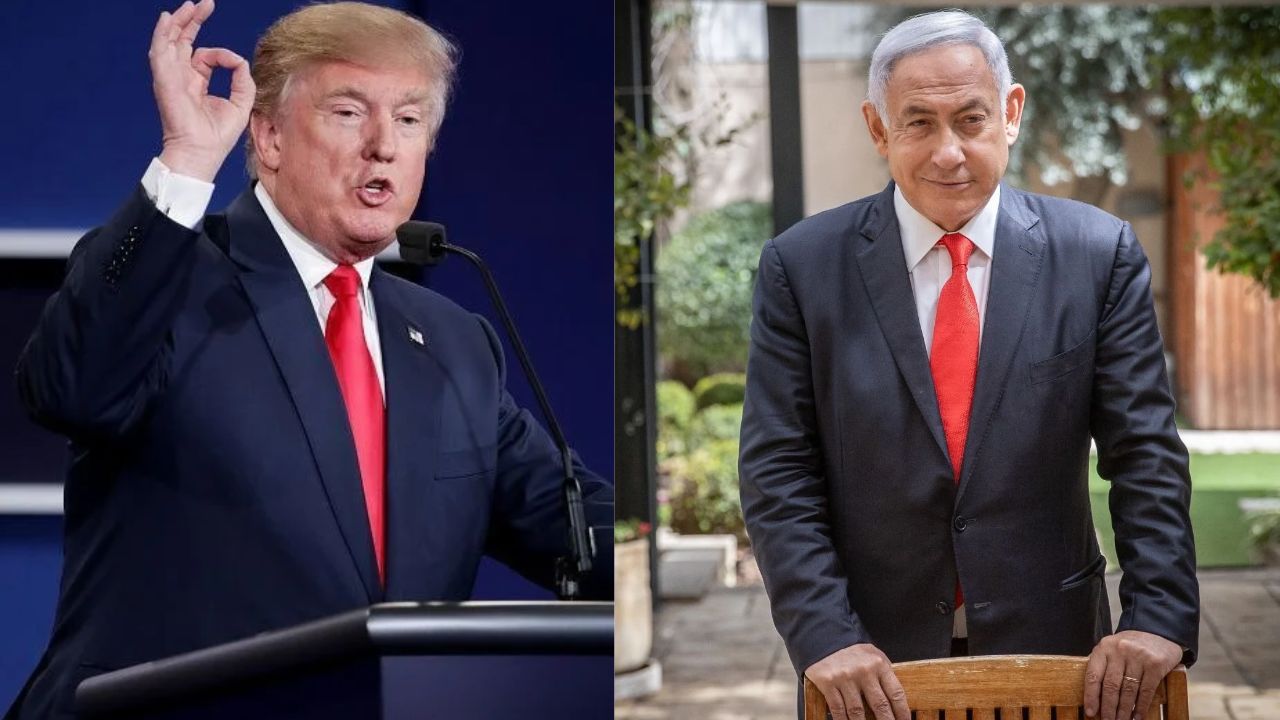
In his election-night remarks, Netanyahu highlighted Israel's military operations against senior figures in hostile organisations and again raised the prospect of further action against Iran. He pointed to his close relationship with US President Donald Trump and described the partnership as an opportunity to address what he considers an existential threat posed by Iran.
The comments introduced a significant foreign policy dimension to an election already dominated by security concerns. Any future military campaign would carry serious regional implications, particularly given the existing tensions involving Israel, Iran and the United States.
Netanyahu's remarks did not establish that a new operation had been authorised. They instead signalled that Iran would remain central to his security agenda if he retained power.
The absence of a clear majority raises the possibility of lengthy coalition talks, political compromises or efforts to construct a broader unity government. Such an arrangement could offer a way to overcome the parliamentary deadlock, but it would also require leaders with sharply different political interests to agree on policy and power-sharing.
Observers have suggested that security developments could influence these negotiations. Eisenkot's warning indicates that he is wary of any attempt to use a national emergency to strengthen Netanyahu's political position. The coming negotiations will determine whether the current prime minister can retain office, whether Eisenkot can assemble an alternative coalition or whether Israel faces a prolonged period of political uncertainty.
The election has exposed the continuing divisions within Israeli society over leadership, national security, war in Gaza and the country's political direction. Netanyahu continues to have a substantial base of support on the right, but the exit polls suggest that his alliance may struggle to govern without additional backing. Eisenkot's opposition bloc faces a similar challenge, while the improved performance of Arab Israeli parties could give smaller political groups greater influence.
For now, both camps are claiming a path to power, but neither has demonstrated a clear parliamentary majority based on the initial projections. The key question is no longer just who won the most votes, but who can assemble enough support in parliament to form a stable government.